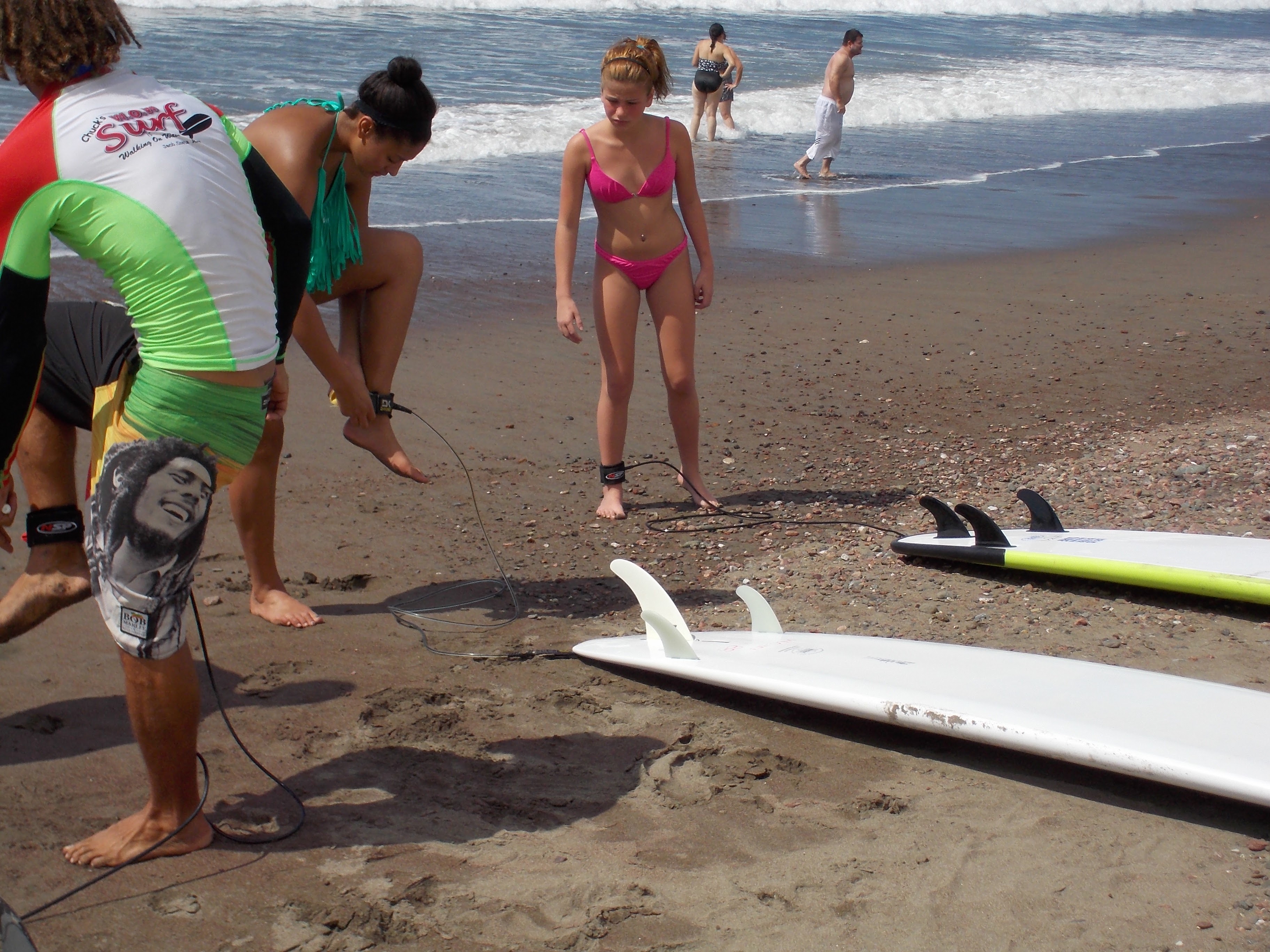
Although it is abundantly obvious that I enjoy all things glamorous, it may be less known that I am deeply committed to living the most eco-conscious life possible! Growing up in the Northwest Hills of Connecticut on a horse farm, I’ve spent the majority of my life outdoors, enjoying hiking, swimming, traveling, surfing, and newly, camping!








Every April, people around the world observe Earth Day – falling on Tuesday the 22nd – by getting outside and adjusting their everyday routines to better suit this world we share. This week I’m sharing some of my favorite ways to help protect our planet, while still enjoying the finer things in life!
What is Earth Day? And, How Do I Get Involved?
According to EarthDay.Org, the theme for Earth Day 2025 – the 55th anniversary year – is “Our Power, Our Planet,” supporting the goal of “tripling renewable energy by 2030.”
The website explains that this year’s theme focuses on “championing solar, wind, hydroelectric, geothermal, and tidal generated energy.” They go on to say that, “as populations and economies grow, so will our energy usage. Trying to meet demand with old school fossil fuels is not only unsustainable because they are finite resources and will eventually run out — but it is also extremely harmful to human and planetary health.”
In order to make the sharing of information easy for all, EarthDay.Org has created a facts sheet page on their website – you can find it here! And while they don’t list out activities specific to this year’s theme, they do recommend many ways that you can get involved!
In last year’s Earth Day post I shared several ways that you can participate in eco-minded activities, such as recycling; cleaning your local park or beach; planting trees or a pollinator garden; and so much more!

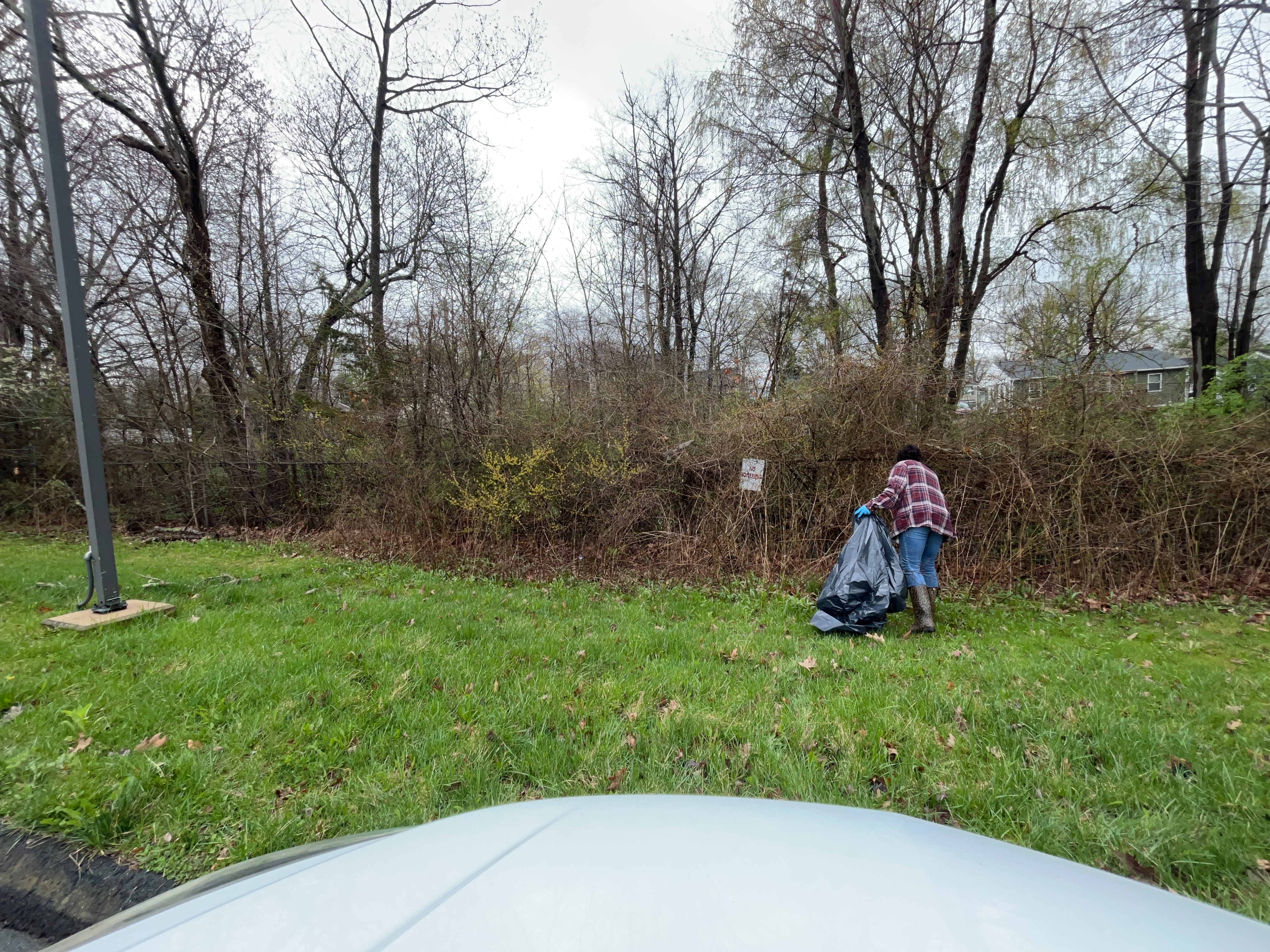
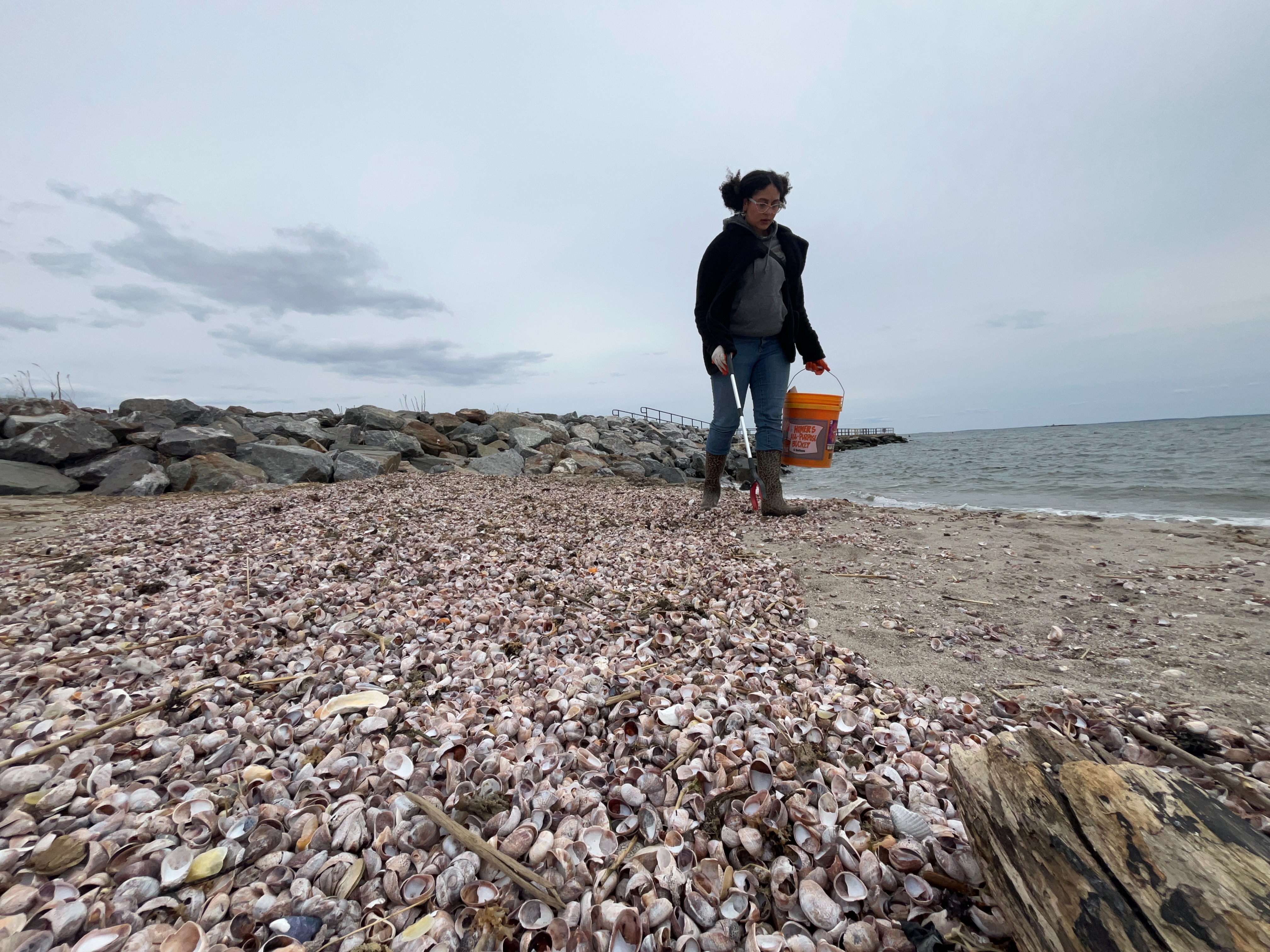
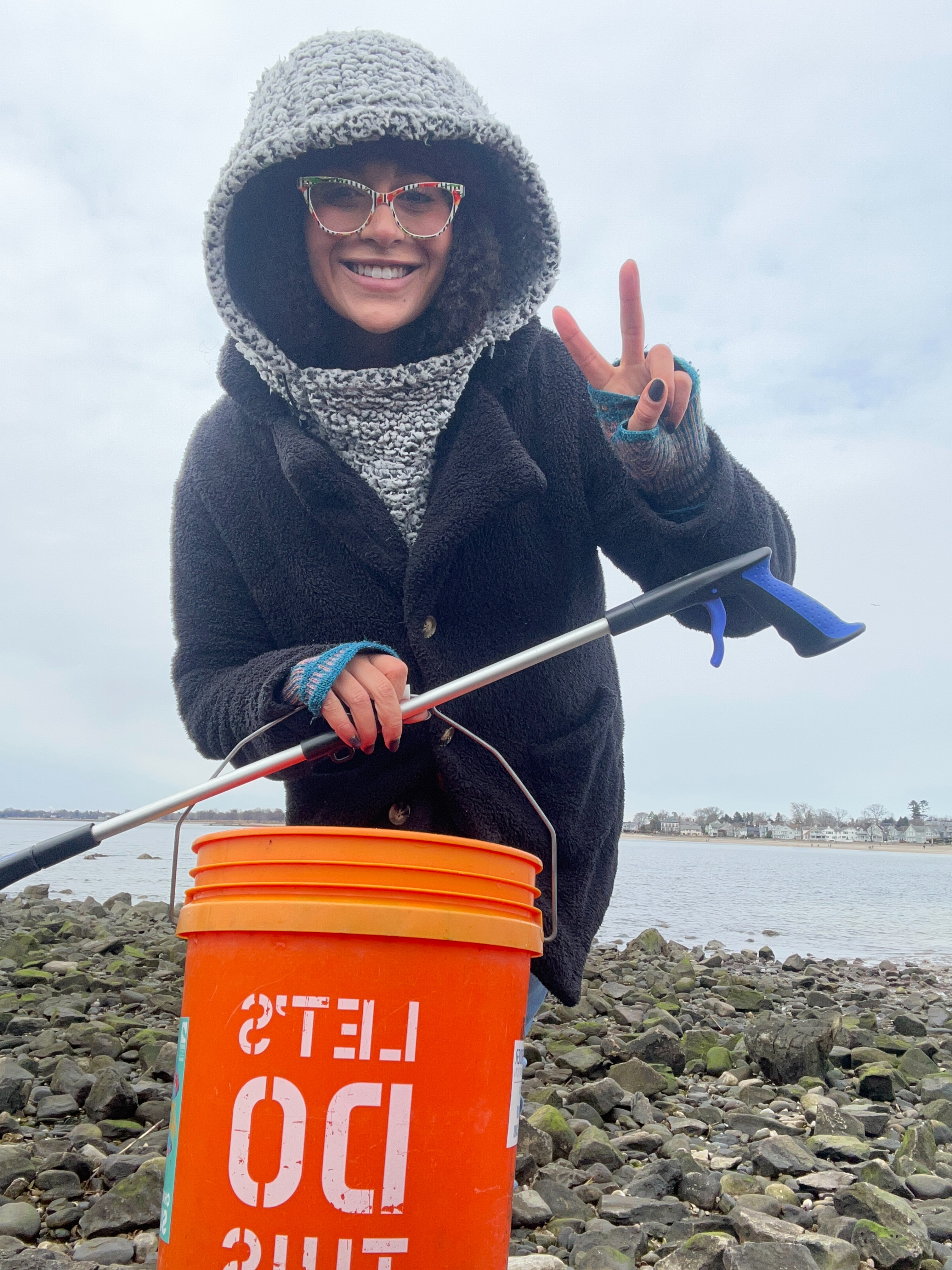
This year, I’ll be volunteering at a local educational program where local organizations and businesses will be able to share their efforts to be more green!
Skincare That Cares
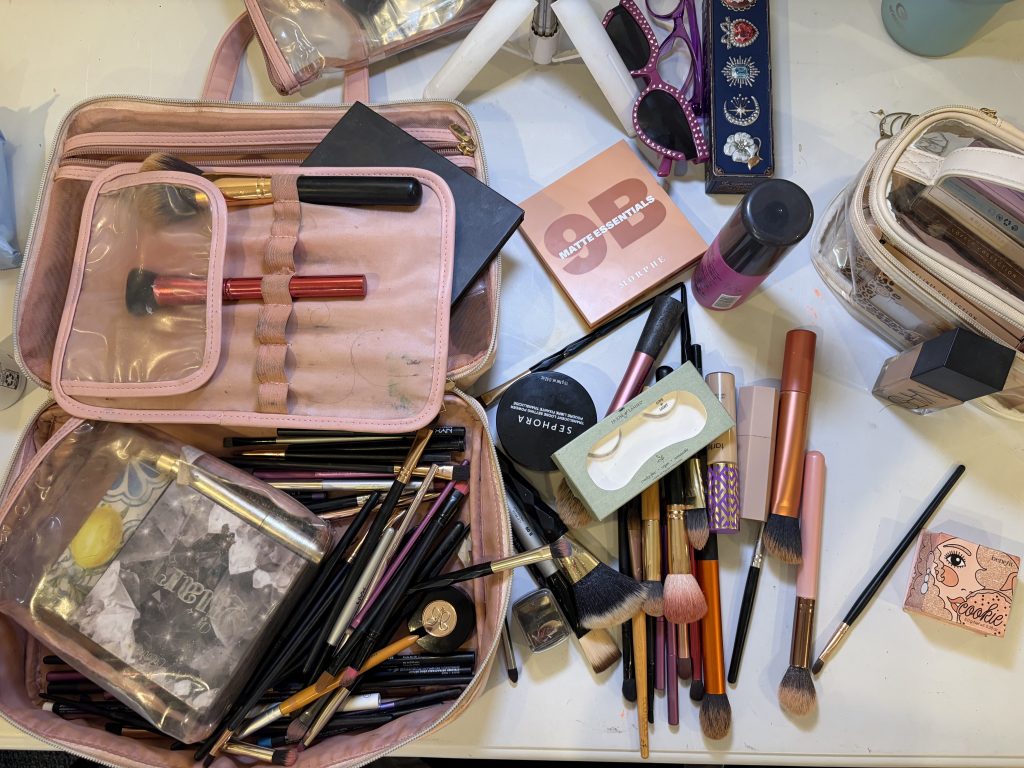
In my pursuit of all things skincare and beauty – you can find my Product Master List, here! – I continuously run into the same problem: what do I do with all of my empty containers?
Last year I learned that Sephora has been working to answer this very question – with the Pact Collective Recycling Program! So how does it work? Desta Raines, Director of Sustainability at Sephora explained in an article on Glossy.Com, that Sephora’s “sustainability efforts involve optimizing products’ life cycles, as well as pioneering initiatives in packaging recycling,” made evident with the Beauty (Re)Purposed program, which launched in May 2023.
And, the process is relatively simple! First, locate a physical Sephora location – you can check their map, here! – this program is currently offered in all U.S. & Canada locations! Next, you want to clean out your containers fully, ensuring that the packaging is “clean, unbagged, and free of liquid or product.” And finally, bring your containers into Sephora and simply put them in the dedicated collection bins! The program website explains that “instead of being thrown away, your beauty empties may be repurposed into carpets, pallets, asphalt, new packaging, and more!”
But before you begin a full bathroom cleanout, let’s discuss what can and cannot be accepted via the Pact Collective – a nonprofit collective on a mission to close the loop on hard-to-recycle packaging waste in the beauty and wellness industries – regulations, and the full collection guidelines can be found here! And keep in mind that your empties don’t have to be from products purchased at Sephora!
What I CAN Drop Off:
- Plastic, Colored Glass, Mixed Materials
- Must be 2×2 inches or smaller
- Small tubes, bottles, jars, caps
- Lipstick, lip gloss, and mascara tubes, wands, and applicators
- Eyeliner, prow, and lip pencils
- Pumps, dispensers
- Small bottles, jars
- Palettes, compacts, pumps
- Dental floss containers
- Toothpaste tubes
What NOT to Drop Off:
- Items accepted through your local curbside recycling program, which may include:
- plastic packaging larger than 2×2 inches
- clear or frosted glass bottles and jars, and more
Give the Beauty (Re)Purposed Program a try today, and share your experience with me!
What Impact Does Your Skincare Have?
As a beginner surfer, and a lover of all things outdoors, I end up buying and using a significant amount of sunscreen! I explained in the Master List post that I’ve tried several sunscreen brands including: SunBum, SuperGoop Glowscreen!, CopperTone, and my current obsession, Innisfree (which falls under the “Clean At Sephora” category!).
But in my research I was disappointed to learn that in my quest for perfect skin, I was actively contributing to the death of our coral reefs and oceans.










According to SaveTheReef.Org, the four biggest contributors to killing our seas are: single use plastics; oils and fossil fuels; GMO and pesticides; and non-reef safe sunscreen. SaveTheReef goes on to explain that the terms “reef safe” and “reef friendly” are not currently regulated, so the best way to determine what is in your products is to check the “active ingredients” label.
Ingredients that should be avoided include:
- Oxybenzone
- Octinoxate
- Octocrylene
- Homosalate
- 4-methylbenzylidene camphor
- PABA
- Parabens
- Triclosan
- Any nanoparticles or “nano-sized” zinc or titanium (if it doesn’t explicitly say “micro-sized” or “non-nano” and it can rub in, it’s probably nano-sized)
- Any form of microplastic, such as “exfoliating beads”
“The term reef safe typically means that the sunscreen contains only mineral UV-blocking ingredients like oxide and titanium dioxide,” NYC-based dermatologist, Joshua Zeichner, told SaveTheReef. “Both nano particle – a smaller size – and traditional zinc oxide sunscreens are both safe and effective, and both will be considered safe for reefs.”
According to the Innisfree website, the Daily Defense Sunscreen is formulated without: coal tar, formaldehyde, gluten, paraben, phthalates, polyacrylamide, silicone, synthetic colors, triclosan, triethanolamine, oxybenzone, and octinoxate – many of which were on the “what-to-avoid” list! While my sunscreen may pass the reef-safe test, it made we wonder how many of my other products may be contributing to coral bleaching.
Everyday Practices You Can Incorporate in Your Routine!
While I enjoy treating myself and indulging in short bouts of luxury, I have always enjoyed exploring the great outdoors and traveling the beautiful planet. Growing up on a horse farm in the Northeast, traveling, camping, and learning how to surf have only strengthened my desire to live harmoniously with the natural world! Here are some of my favorite everyday practices that make my life a little greener!
Donate, Sell, & Upcycling Your Clothing!
One of my 2024 resolutionswas to not buy any new clothes for a year. I’d say I had a 98% success rate – while there were a few new pieces that I bought, I learned that I had a deep appreciation for vintage clothing!
But recently I’ve found myself feeling uninspired by my wardrobe, investing in quality pieces that will last. As I bring home more items, it’s become clear that I needed to do a closet clean out!
There are many ways to give your closet a refresh – donating to local shelters and charitable organizations; selling your well-maintained pieces to local consignment stores or on resale websites such as PoshMark, ThredUp, and Ssense; and if you’re crafty, you may even pull out your sewing machine and start upcycling!
I’m currently working on a huge closet cleanout – sorting through the clothing and shoes that no longer fit, or are no longer in my rotation. These items I’ll be donating to local organizations, giving these pieces a chance at a new life, while giving people an opportunity to discover their next treasure!
Reduce, Reuse, Recycle
Many garbage companies and towns offer recycling programs, so I always recommend checking your town or city’s Department of Public Works website: they’ll offer resources to explain what items can or cannot be recycled, the organizations they work with in order to facilitate recycling, and may even offer alternatives if you’re town doesn’t offer recycling.
One of my favorite ways to Reduce, Reuse, and Recycle is by cleaning and reusing the glass jars we get at the grocery store! They are perfect for making, storing, and transporting all sorts of yummy things such as overnight oats, salad dressings, or even a homemade dipping sauce!
Ditch Single-Use Plastics
As I mentioned above, one of the leading causes of destruction to our natural world is through the use and improper disposal of single-use plastics. Skip the middleman and switch to sustainable materials!
I never leave the house without one of my stainless steel water bottles! Not only does this motivate me to drink more water (leading to clearer, brighter skin and more energy!), but I know I’m helping to keep several bottles out of the ocean each day!
Composting & Gardening
In the last few years you may have heard the term “pollinator garden” and wondered, “How is that different from a regular garden?” The organization, Pollinator Partnership, explains that pollination is the “process that “produces seeds, fruits, and the next generation of plants.” There are many forms of pollination including “self-pollination, wind and water pollination, or through the work of vectors that move pollen within the flower and from bloom to bloom.”
There are many creatures that act as pollinators – the “vectors” that spread pollen from one flower to the next – such as birds, bats, bees, butterflies, beetles, and other small mammals. These creatures “are responsible for bringing us one out of every three bites of food,” Pollinator Partnership explains. “They also sustain our ecosystems and produce our natural resources by helping plants reproduce.”
The United States National Park Service, in partnership with organizations like Pollinator Partnership, offer several resources for starting your own pollinator garden, including regionally based planting guides which will help you determine what plants will feed the pollinators in your area! And, The U.S. Department of Agriculture Forest Service explains that while it is relatively easy to get started, there are some things to keep in mind:
- Use a wide variety of plants that bloom from early spring into late fall.
Help pollinators find and use them by planting in clumps, rather than single plants. Include plants native to your region. Natives are adapted to your local climate, soil and native pollinators. Do not forget that night-blooming flowers will support moths and bats. - Avoid modern hybrid flowers, especially those with “doubled” flowers.
Often plant breeders have unwittingly left the pollen, nectar, and fragrance out of these blossoms while creating the “perfect” blooms for us. - Eliminate pesticides whenever possible. If you must use a pesticide, use the least-toxic material possible. Read labels carefully before purchasing, as many pesticides are especially dangerous for bees. Use the product properly. Spray at night when bees and other pollinators are not active.
- Include larval host plants in your landscape. If you want colorful butterflies, grow plants for their caterpillars. They WILL eat them, so place them where unsightly leaf damage can be tolerated. Accept that some host plants are less than ornamental if not outright weeds. A butterfly guide will help you determine the plants you need to include. Plant a butterfly garden!
- Create a damp salt lick for butterflies and bees. Use a dripping hose, drip irrigation line, or place your bird bath on bare soil to create a damp area. Mix a small bit of table salt (sea salt is better!) or wood ashes into the mud.
- Spare that limb! By leaving dead trees, or at least an occasional dead limb, you provide essential nesting sites for native bees. Make sure these are not a safety hazard for people walking below. You can also build a bee condo by drilling holes of varying diameter about 3 to 5 inches deep in a piece of scrap lumber mounted to a post or under eaves.
- You can add to nectar resources by providing a hummingbird feeder. To make artificial nectar, use four parts water to one part table sugar. Never use artificial sweeteners, honey, or fruit juices. Place something red on the feeder. Clean your feeder with hot soapy water at least twice a week to keep it free of mold.
- Butterflies need resources other than nectar. They are attracted to unsavory foodstuffs, such as moist animal droppings, urine and rotting fruits. Try putting out slices of overripe bananas, oranges and other fruits, or a sponge in a dish of lightly salted water to see which butterflies come to investigate. Sea salt provides a broader range of micronutrients than regular table salt.
Starting a compost pile (or container, if you live in an urban area) is a great way to eliminate food waste and to create nutrient-dense soil for all of your plants! The United States Environmental Protection Agency explains that composting is the “managed, aerobic biological decomposition of organic materials by microorganisms.” Organic materials such as grass clippings, leaves, yard and tree clippings, and food scraps can all be added to your compost pile!
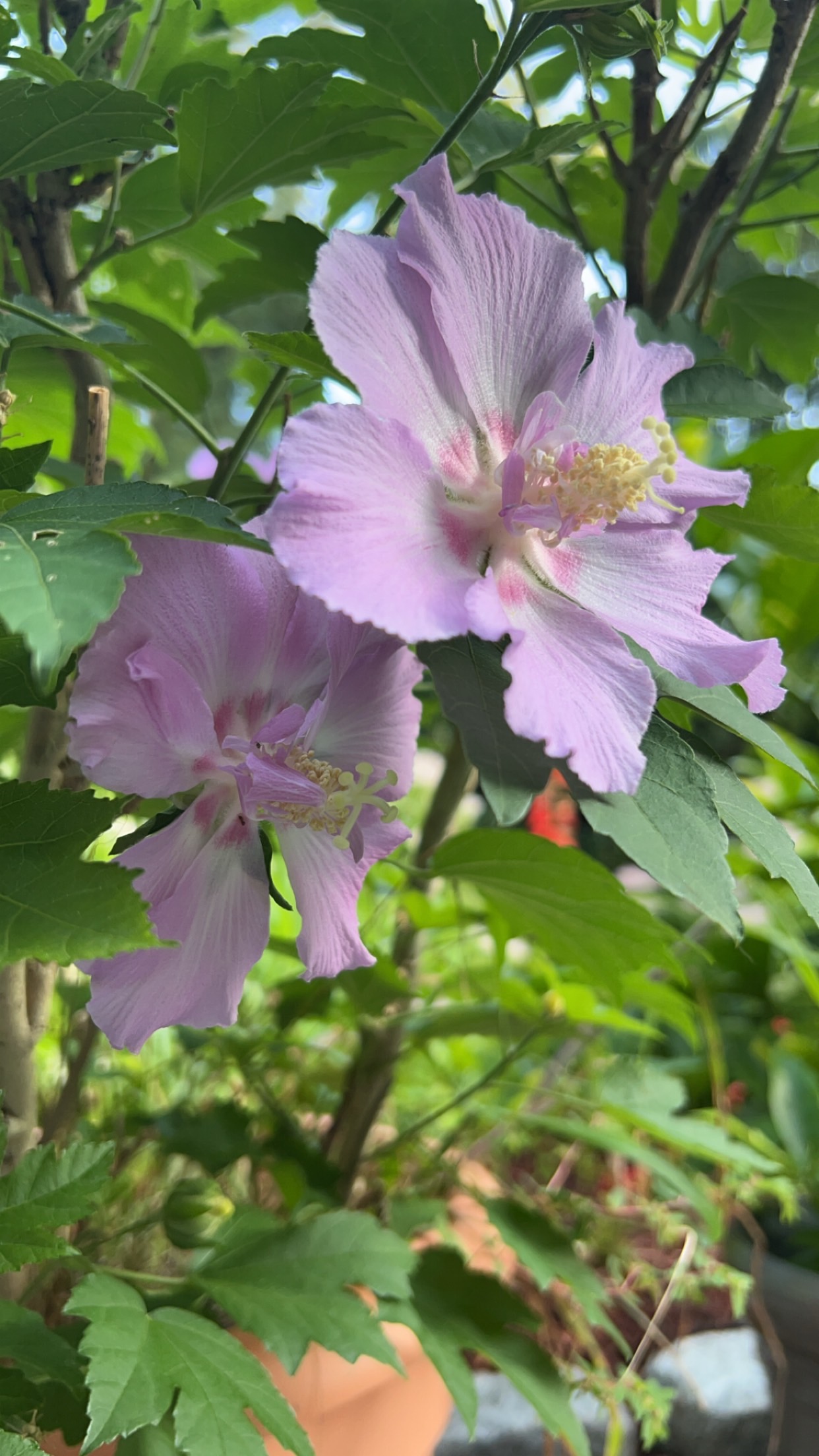
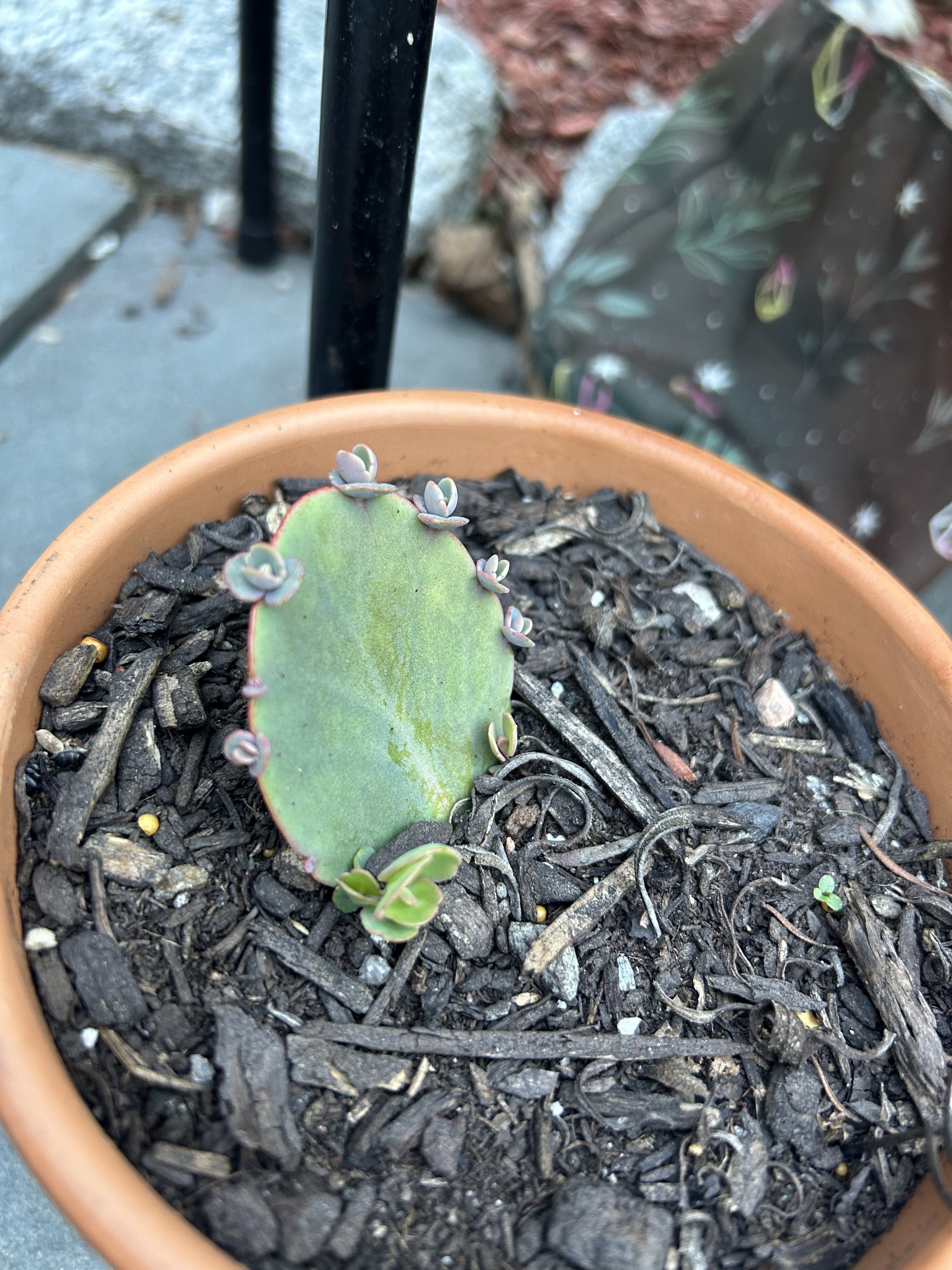
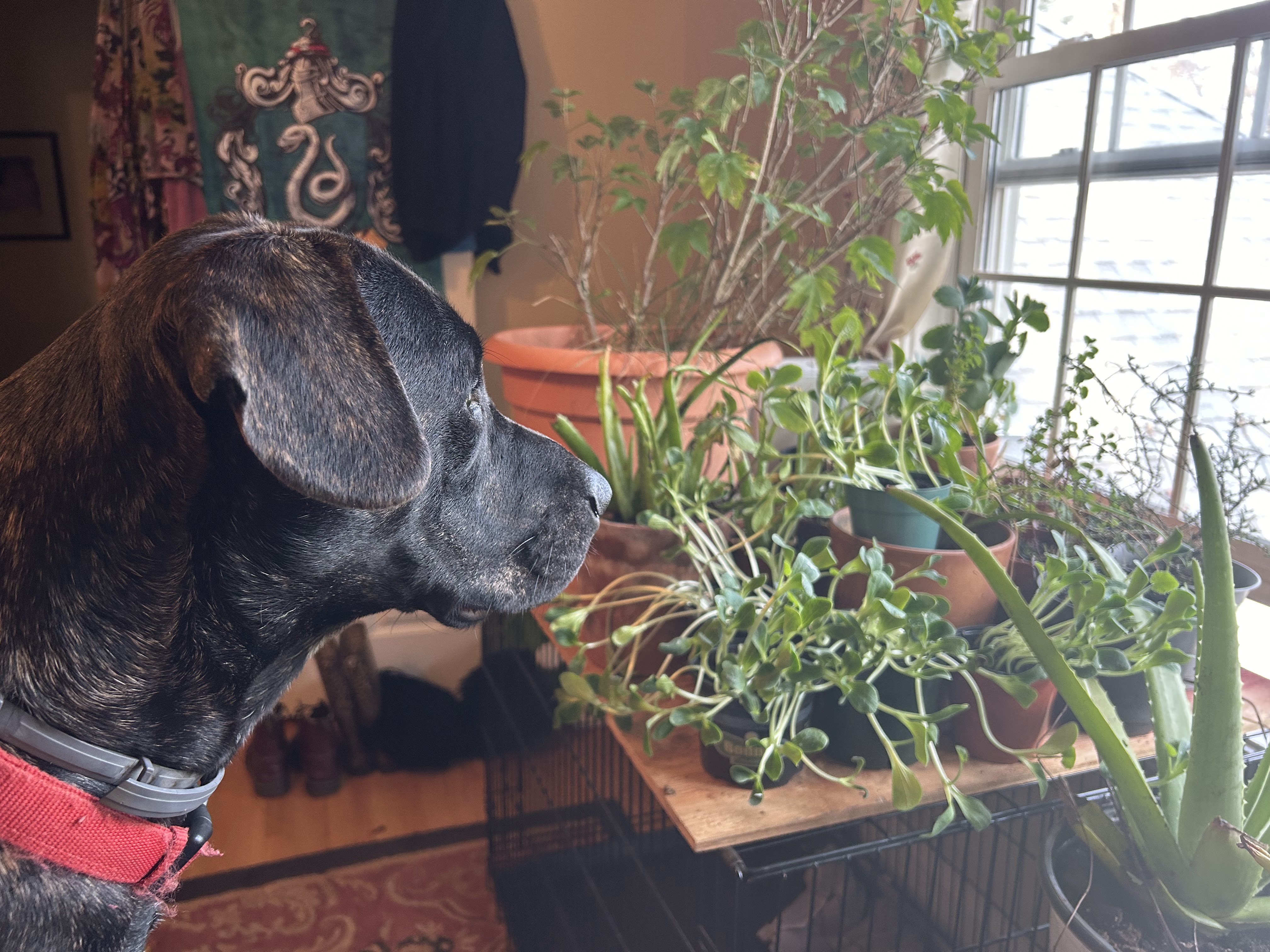
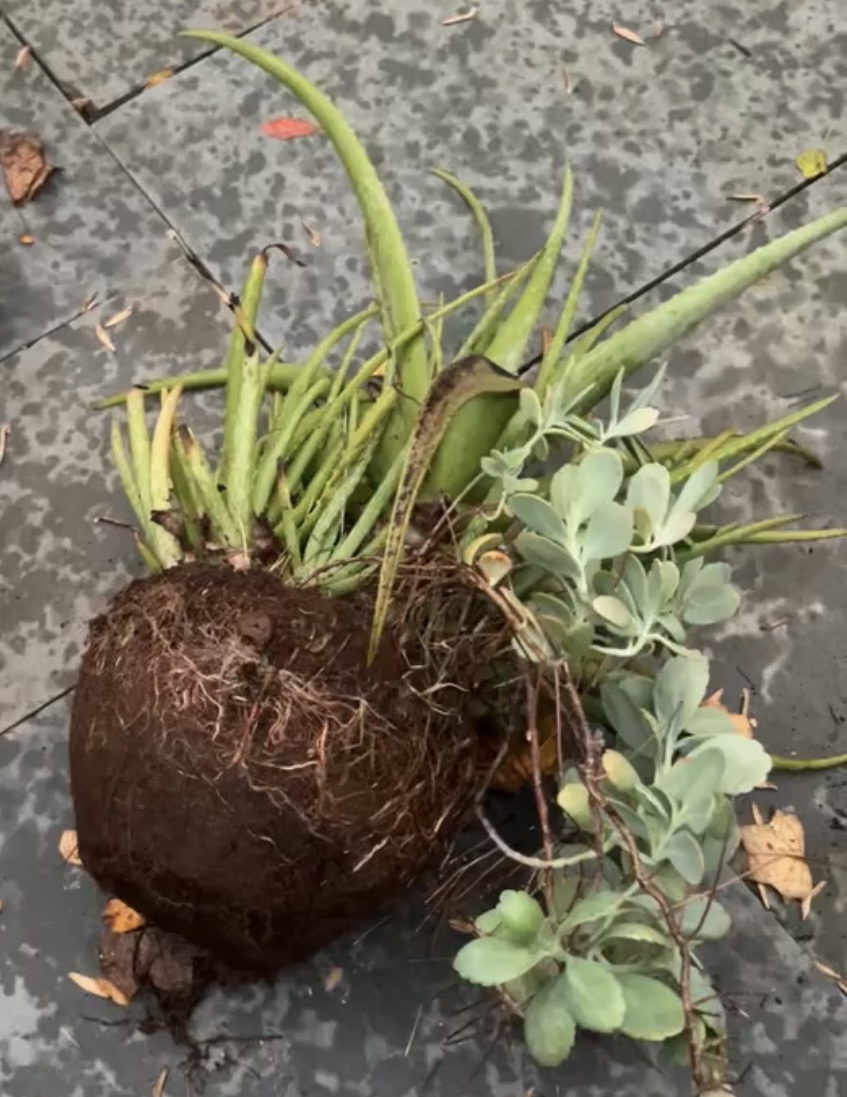
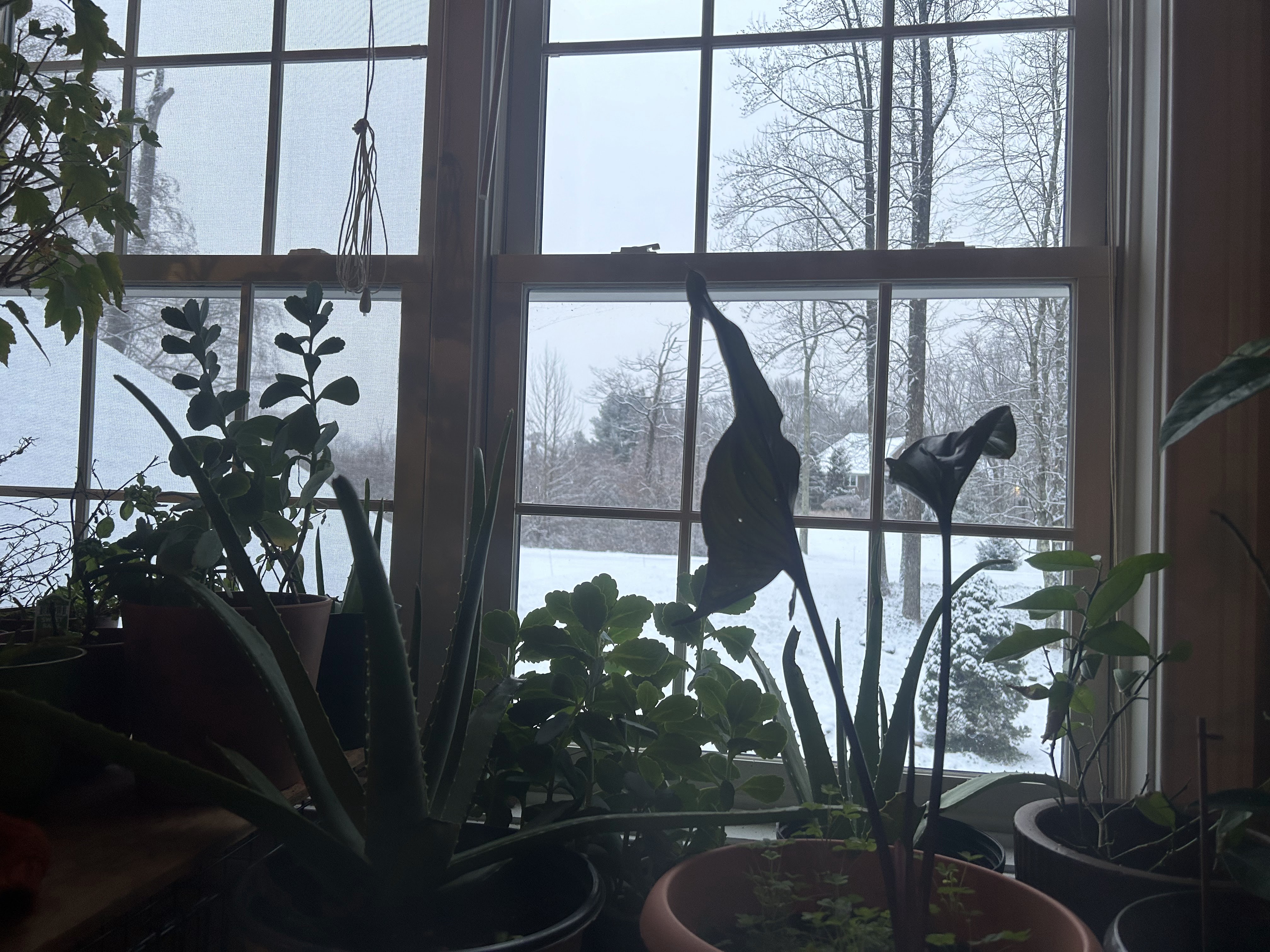
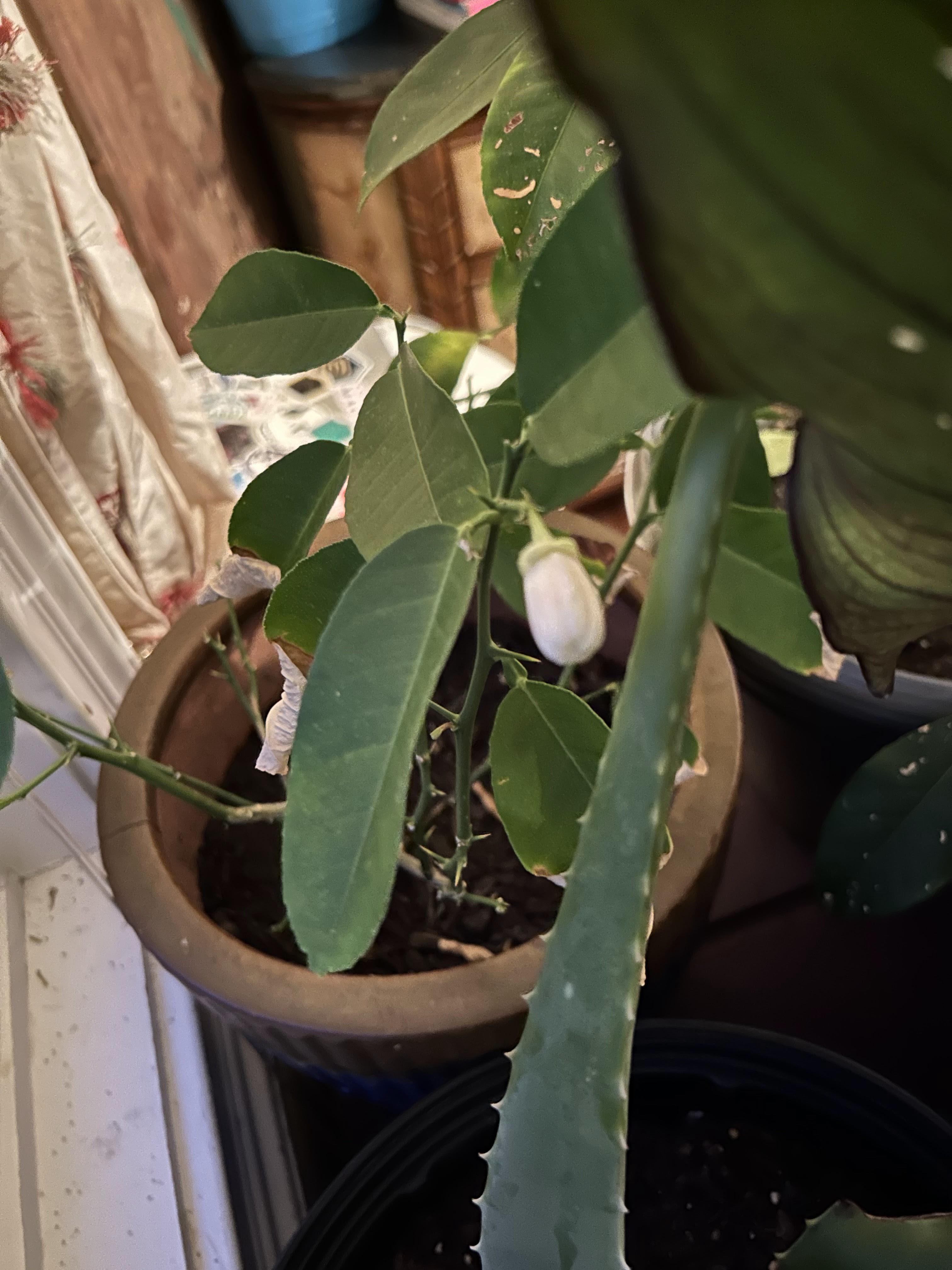
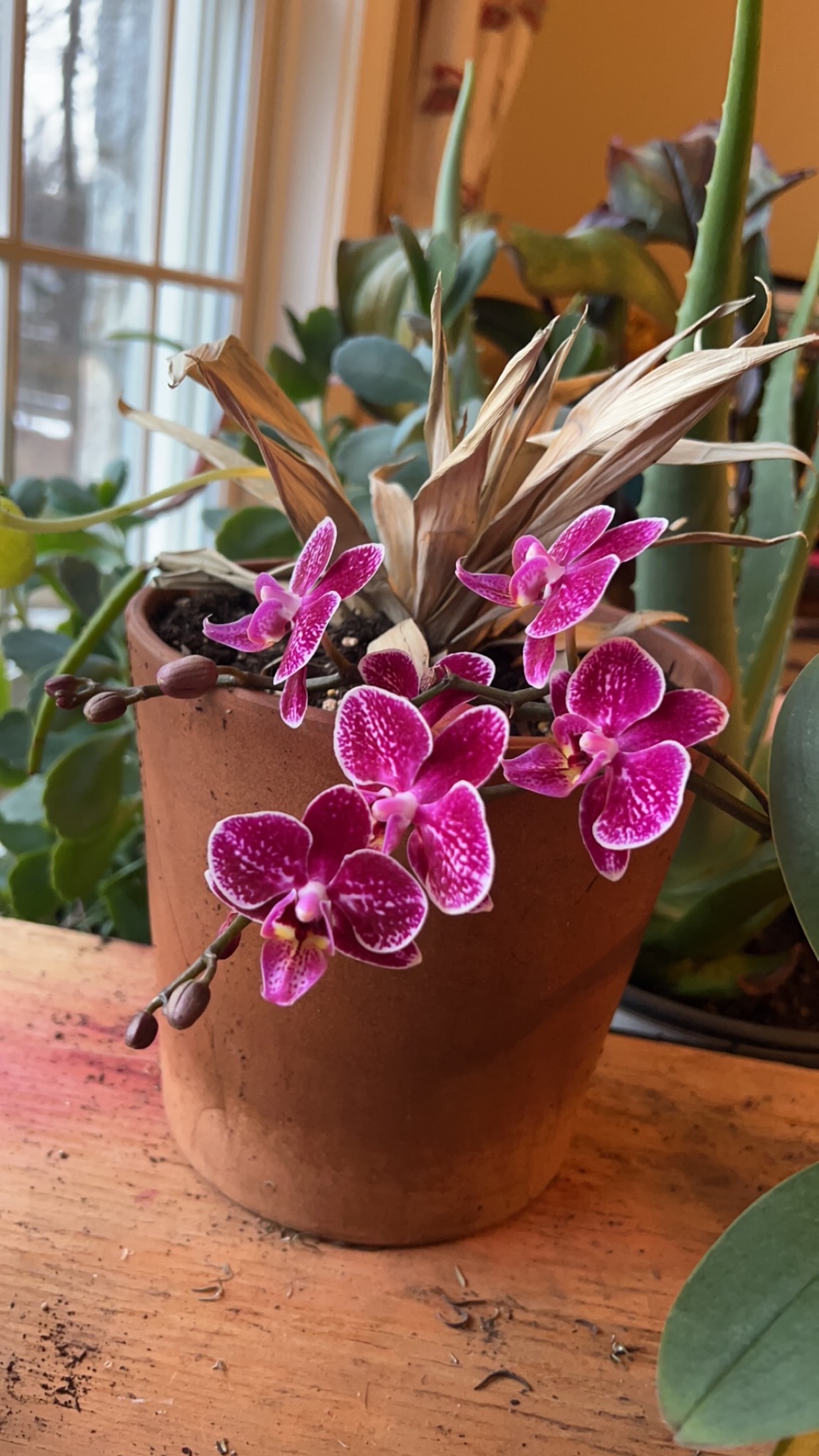
To this day, I find immense joy in cultivating my garden – both my potted plants and the ones I plant outdoors!

What Do You Think?
How will you be participating in Earth Day this year? What eco-conscious practices will you be incorporating into your everyday routine? Let me know in the comments below!
I’m gearing up for a lot of exciting projects in the upcoming weeks, and I can’t wait to share them with you! I’ll be back next week to share one of my absolute favorite eco-friendly activities – vintage shopping! I’m so excited to be headed back to the Vintage Market Days of Connecticut this weekend!
Have a great rest of your week, and remember to SLAY!







 We Aim To Slay
Leave a comment