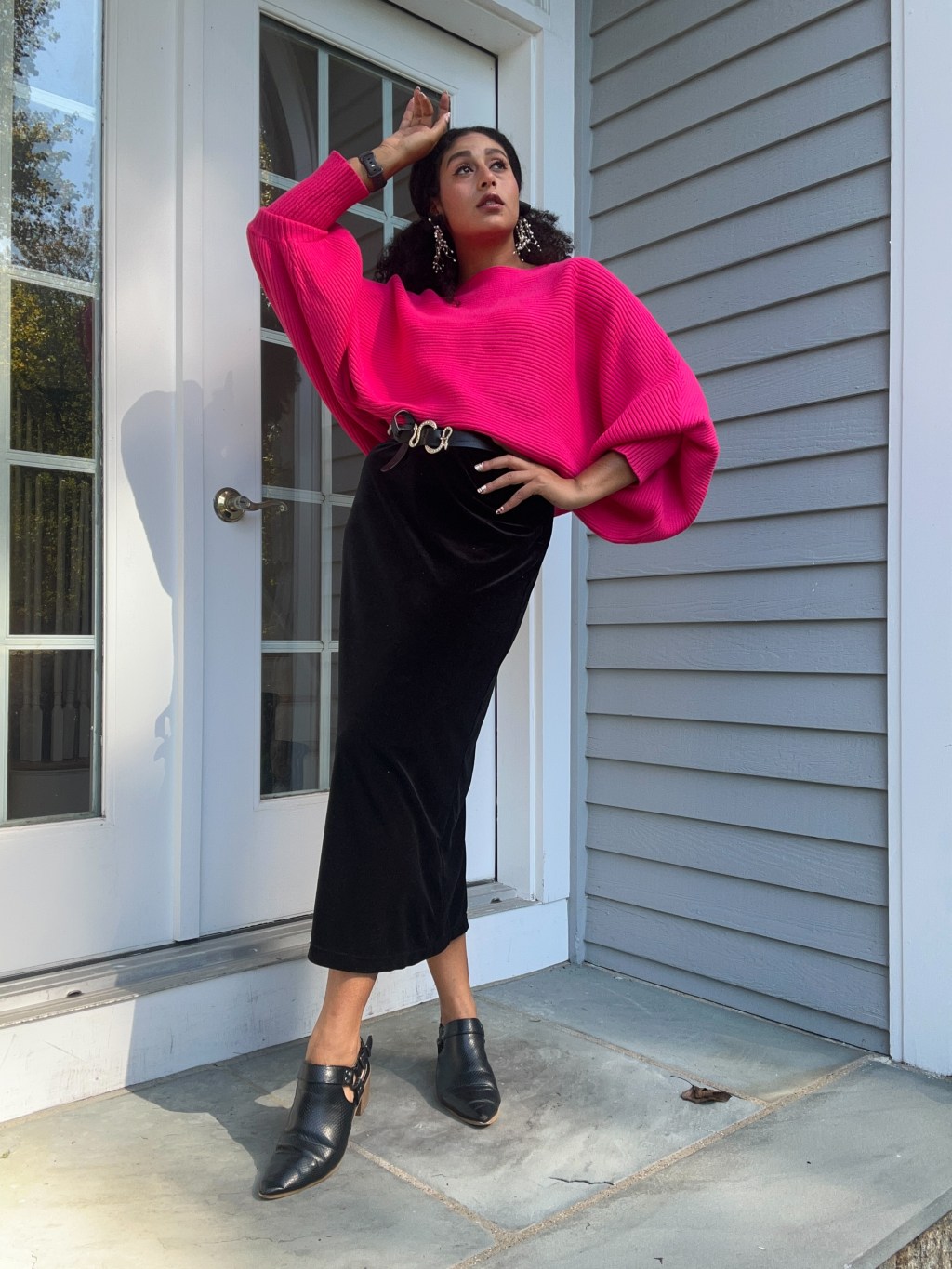
As we head into holiday party season I thought it was time to discuss a concept I’ve struggled with all of my life – how to decode a dress code!
I was originally struck by the difficulty of this concept back during the pandemic. I was invited as a plus one to a fundraising dinner at The Pond House Cafe in West Hartford, CT, and loving any chance to dress up, immediately accepted! After reading the event information I found that the dress code was “semi formal” – that stopped me in my tracks. It also led me into a deep spiral of trying to understand what these “codes” mean.
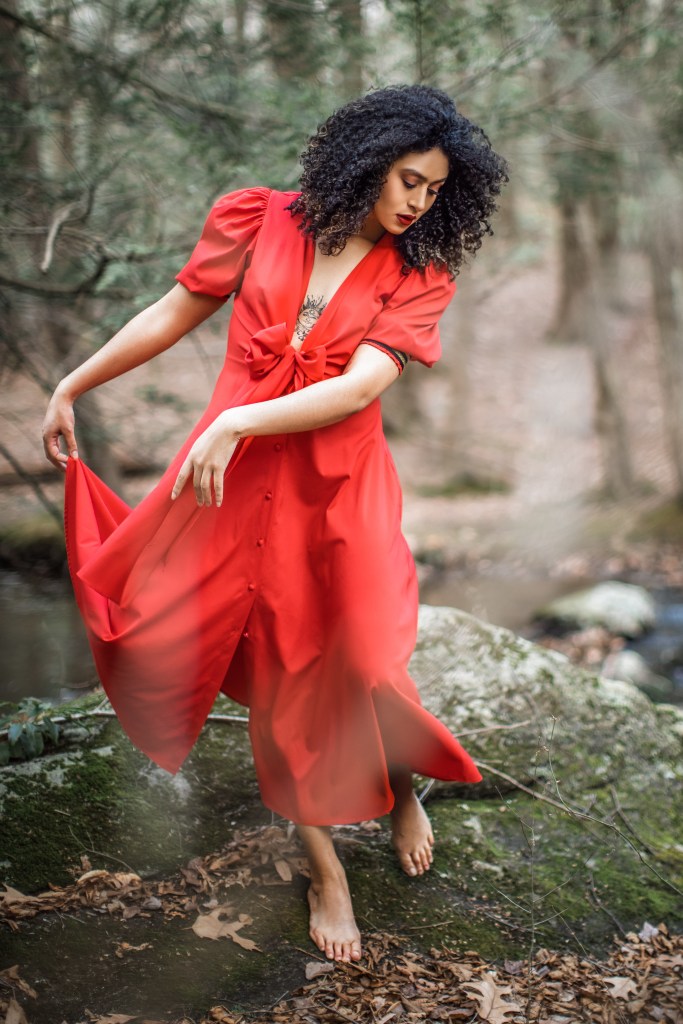
What is a Dress Code?
Let’s start with the basics – a quick Google search will define a dress code as “a set of rules specifying the required manner of dress at a particular office, club, event, etc; the customary style of dress of a specified group.”
Essentially, it’s a guide to the standard and style of dress expected for a given place or event – for example, the difference between what you’d wear to work or school, and what you’d wear on an evening out with your friends.
How Many Dress Codes Exist?
There are far too many dress codes to list them all, and they will fluctuate depending on where in the world the event you’re attending is being held. I’m going to be walking you through the most standard dress codes held in Western cultures, as I live in America.
From most to least formal:
Black Tie
Black tie attire is worn for formal evening events, and is one of my favorite dress codes, as this is where pageant gowns would fall! (Black tie is technically considered to be less formal than white tie events – such as royal affairs, state dinners, and presidential galas – but these are far less common for the average person so I won’t be including them as their own category!)
This is where you’ll want to be looking if you’re attending things such as: weddings, charity balls and fundraisers, operas and ballets, formal dinners, award ceremonies, milestone birthdays, proms, gala promotions, cruise ship events, or pageant evening gown competitions.
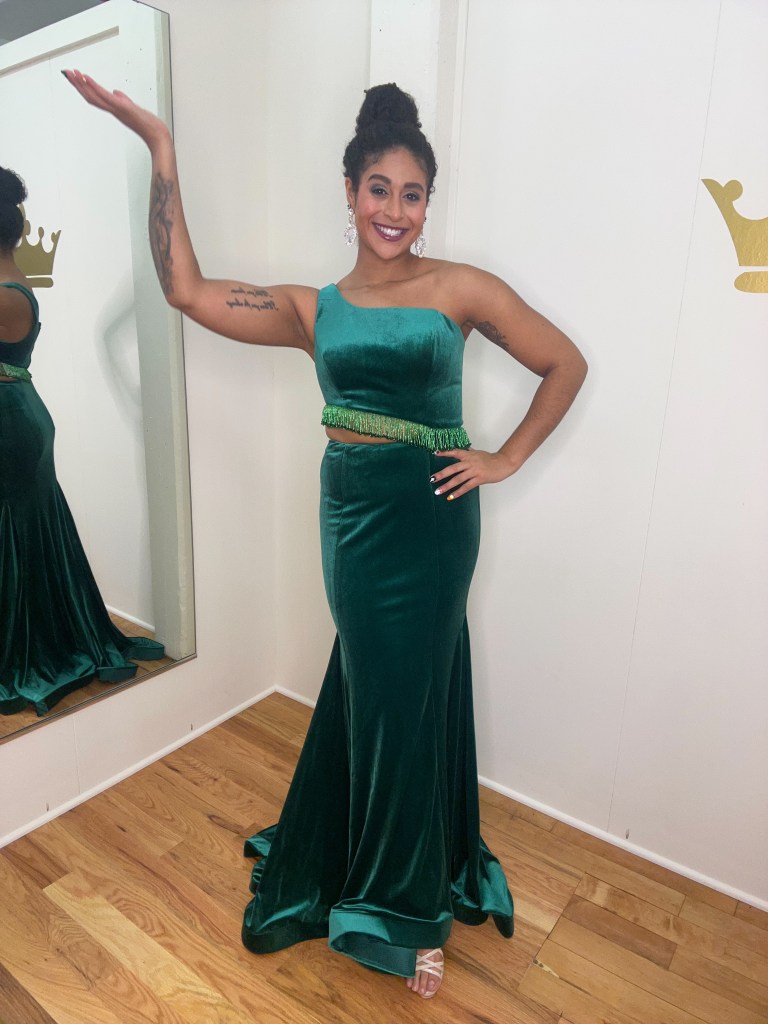
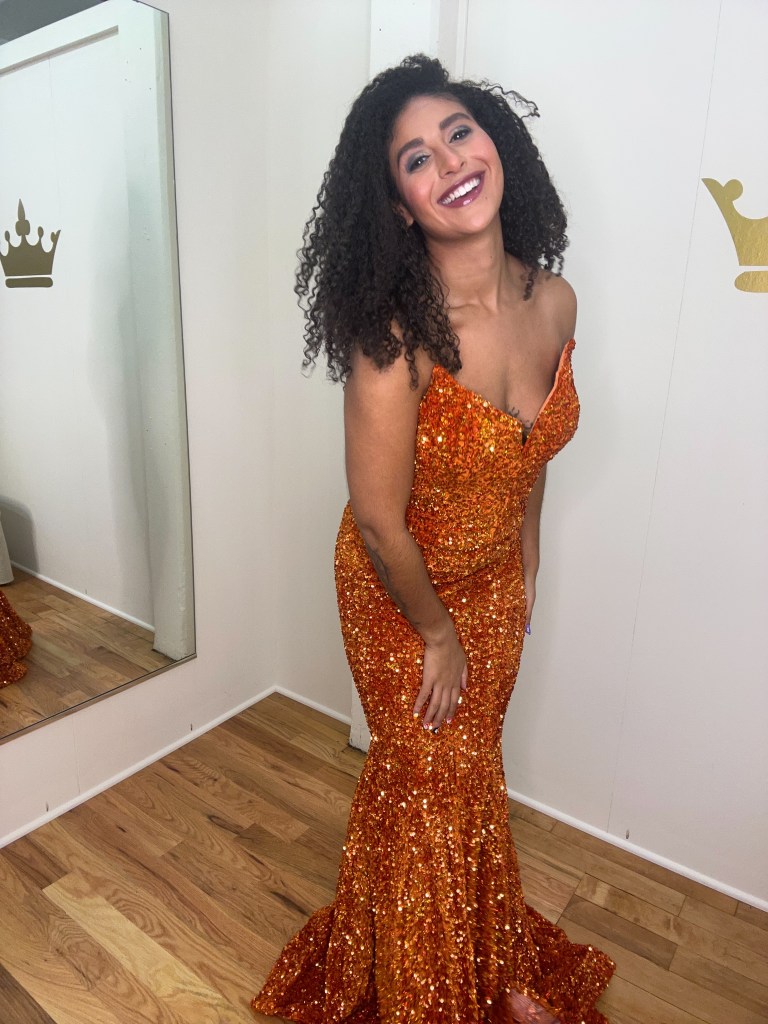
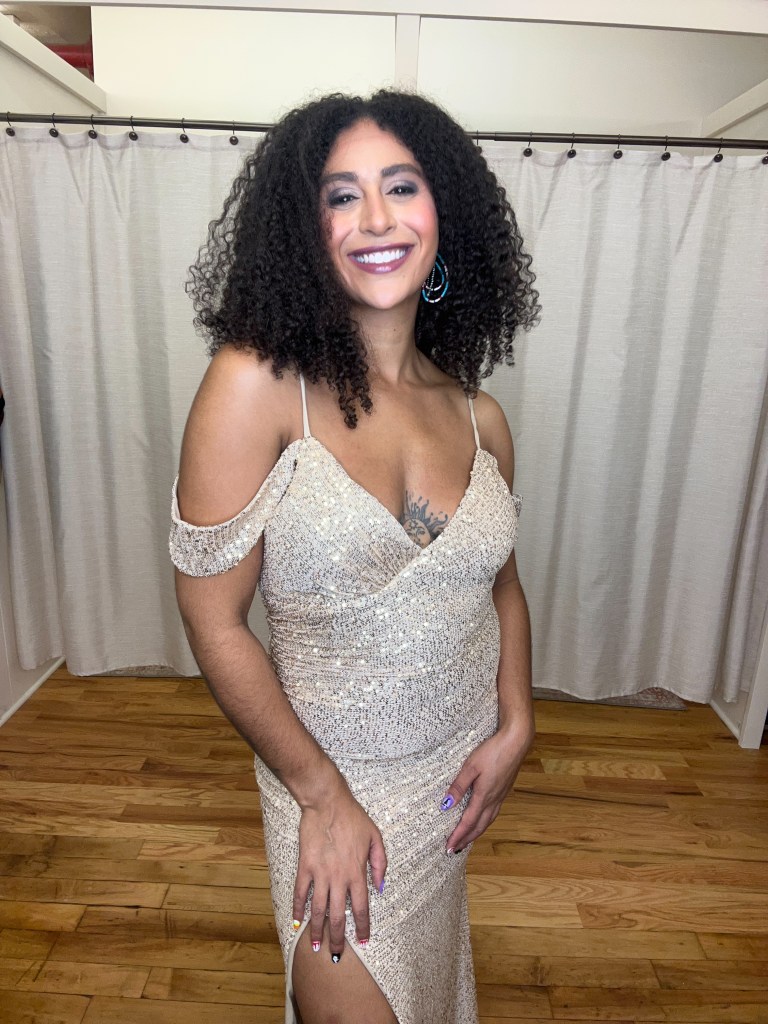
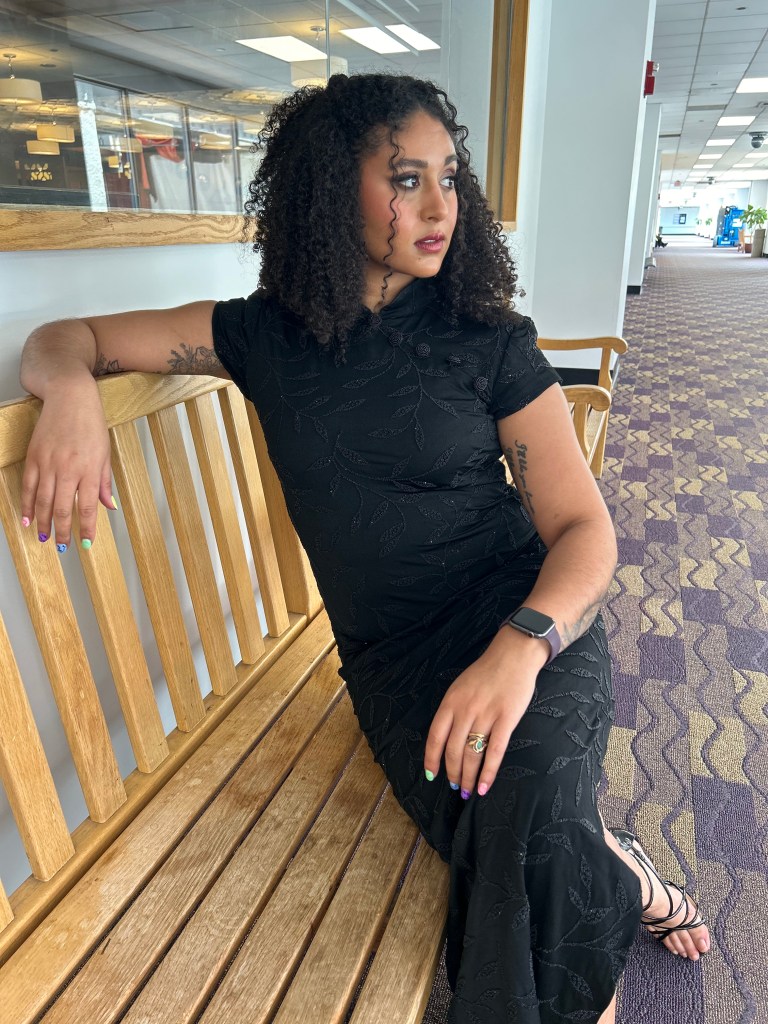
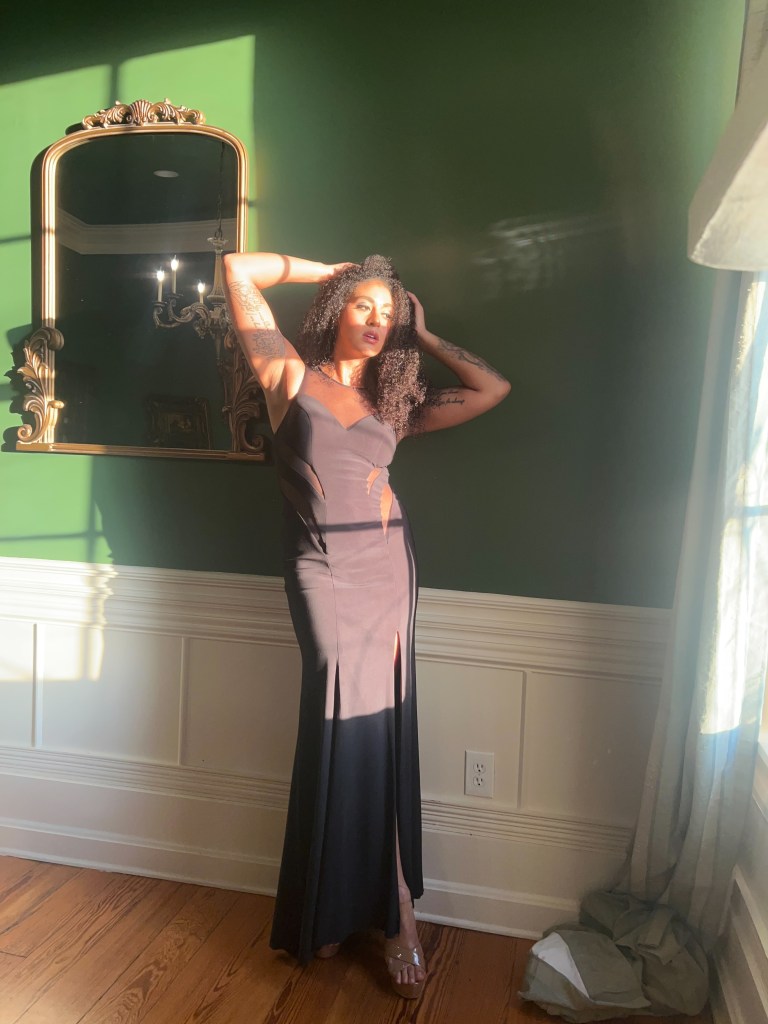
In a gown you’ll want floor length, and depending on your age a slit may also be appropriate. But as I’ll discuss further down, if you’re attending one of these events as an event organizer, a cocktail length dress may also be appropriate.
For those of us less comfortable wearing a gown, a well-fitted tuxedo is typical menswear attire. Luxurious textures such as satin or velvet, and bedazzled accents are also appropriate. If you’re invited to a black tie event, you can contact the host to confirm the level of formality!
Formal
Similar to black tie, but just a step down the ladder, formal wear will consist of many of the same events – weddings, charity galas, opera or ballet performances, balls, dinners, funerals, certain state dinners, audiences, horse racing events – but will include clothing items such as a suit instead of a tuxedo, or a midi or cocktail length dress instead of a gown.
You could still wear a gown, depending on the level of adornment. For example, on my recent trip to Mississippi I wore a black gown by Venus that features some mesh panels. While the gown is certainly formal enough to present awards, it would not be formal enough to compete for an international title such as Miss Universe!
Formal is perfect for a prom, where you want to look your best while still being comfortable enough to dance with your friends! While formal attire is typically worn for evening events, it is also appropriate for some daytime events, such as a wedding.
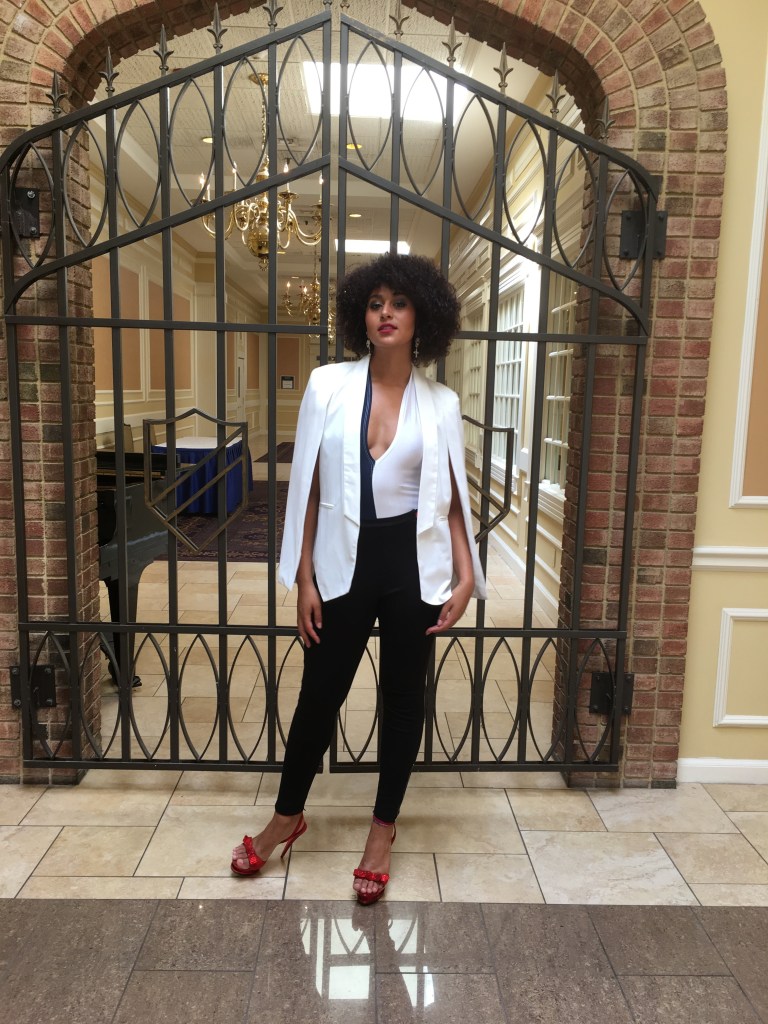
This is also appropriate dress for formal business events, such as a dinner. But, you’ll want to be aware of the appropriateness of the formal wear. Where a tuxedo ala these celebrities may be appropriate for a formal dinner on a cruise ship or an awards dinner, it wouldn’t pass for a dinner with your boss!
Cocktail
A step below formal wear is cocktail attire, and it is appropriate for events such as – weddings, cocktail parties, dinner parties, proms and homecomings, fundraisers, off-the-clock- formal work and business events, and happy hour events.
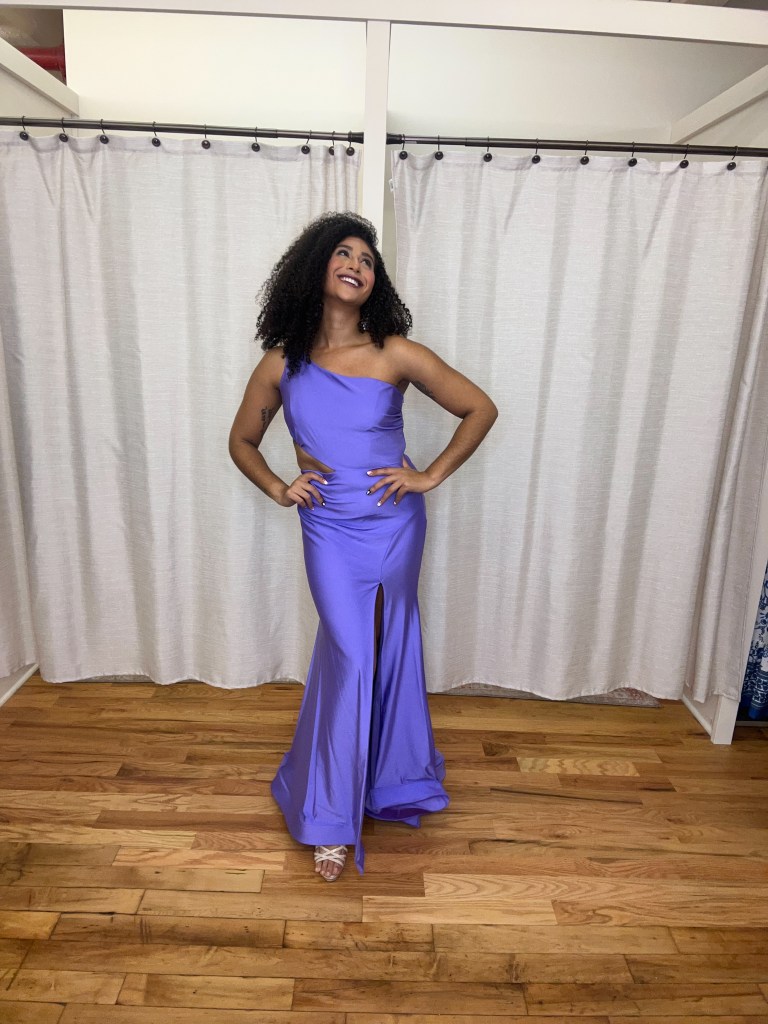
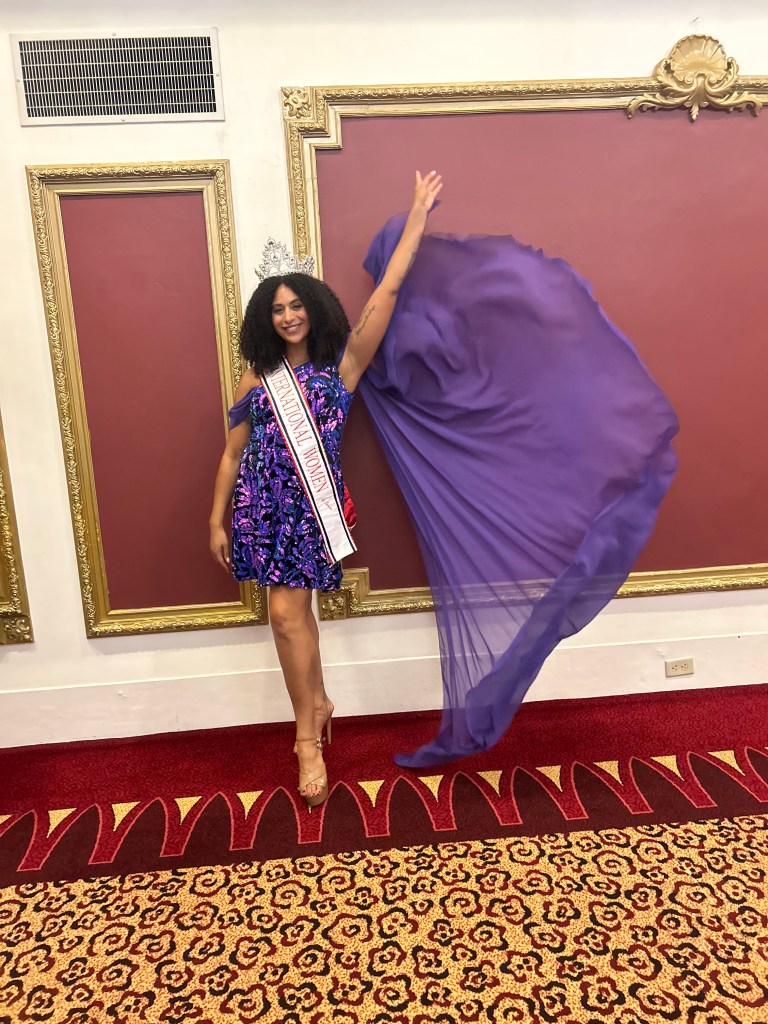
In my research cocktail attire was described as “polished, sophisticated, and chic,” which isn’t very helpful. Cocktail, in the pageant world, generally means “not a gown” – think this purple Johnathan Kayne dress I’ve been wearing over and over again!
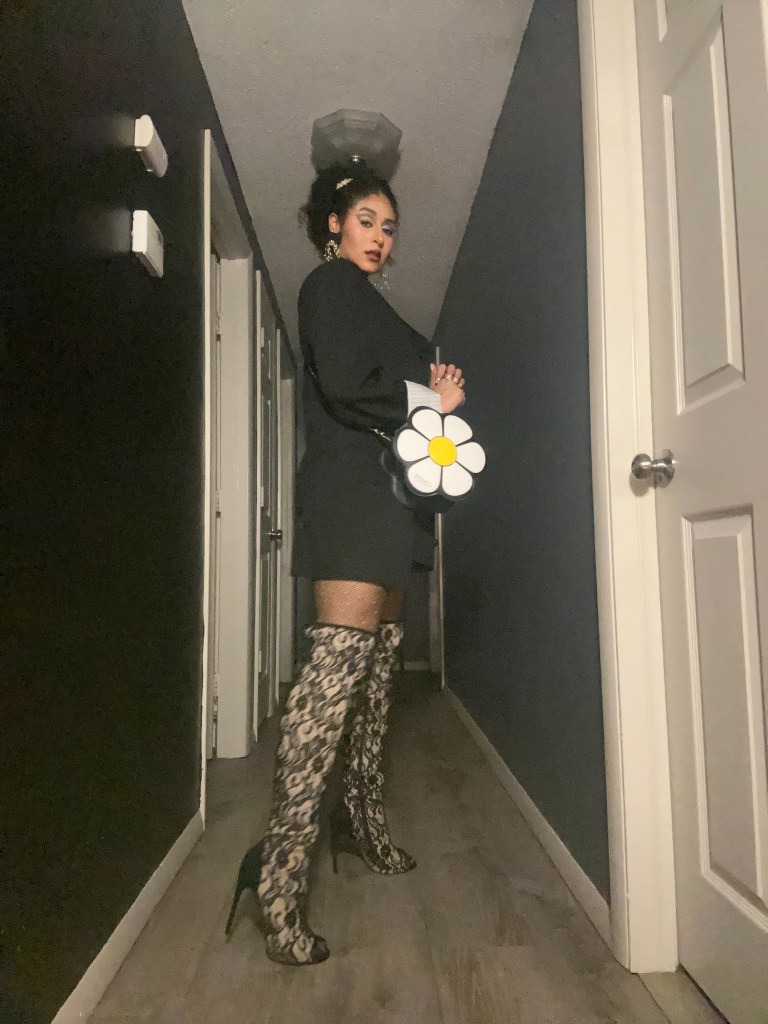
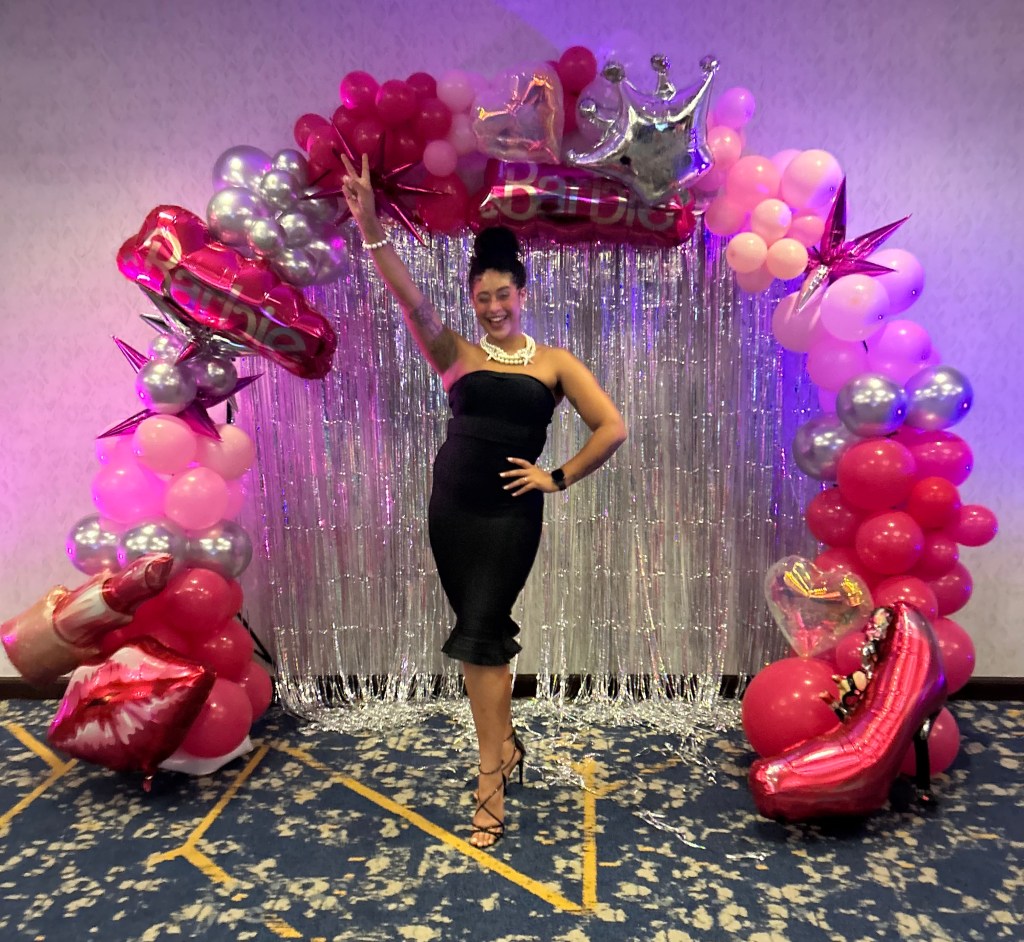
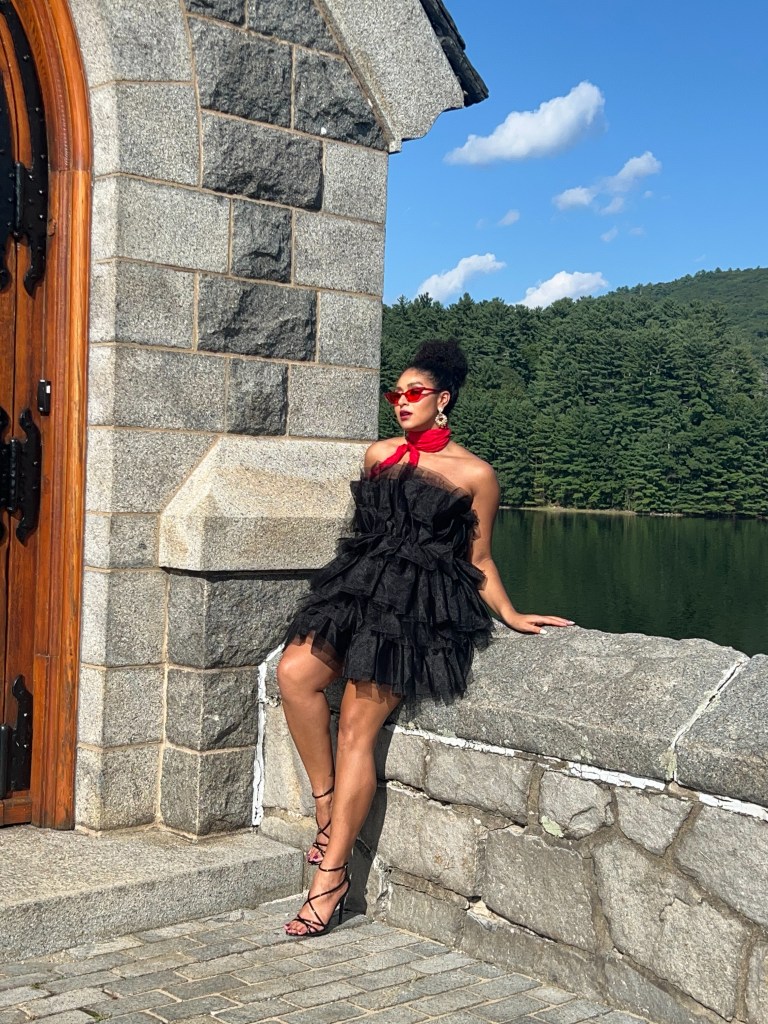
“Cocktail” can also serve as the bridge into business wear – cocktail hour, a.k.a., happy hour events. These tend to be afterwork events such as networking. If you’re going straight from work, you may change your accessories like earrings, lipstick, shoes, or jacket. If you’re getting ready from home I’d suggest opting for separates – a pencil skirt and a top, such as a button down or some sort of blouse. You can easily wear a blazer or a structured sweater to add some structure and texture, and to keep you warm!

Business
Now we’re moving into the daytime categories, starting with business wear! Business and business casual are both appropriate for settings such as an office, meetings with clients or customers, and interviews – anywhere you want to convey that you are knowledgeable, professional, and can handle any task!
My research found that the most common items considered “business wear” were “trousers, skirts, khakis, blouses, button-down shirts, dresses, polos, sweaters, and sportcoats and blazers.”
I have worked in many different settings, but I currently work in a high school. My rule of thumb for personalizing business wear is layers! Recently I’ve enjoyed layering a bodycon dress under a midi length skirt, adding a belt at my waist, and finishing off with a cardigan and booties!
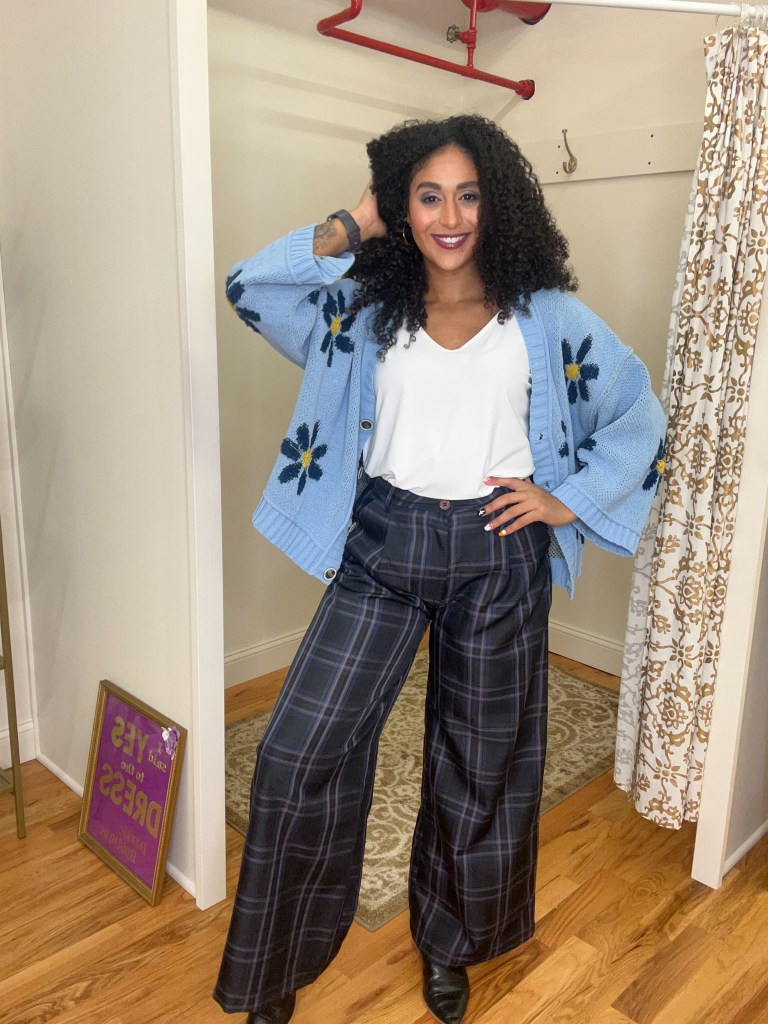
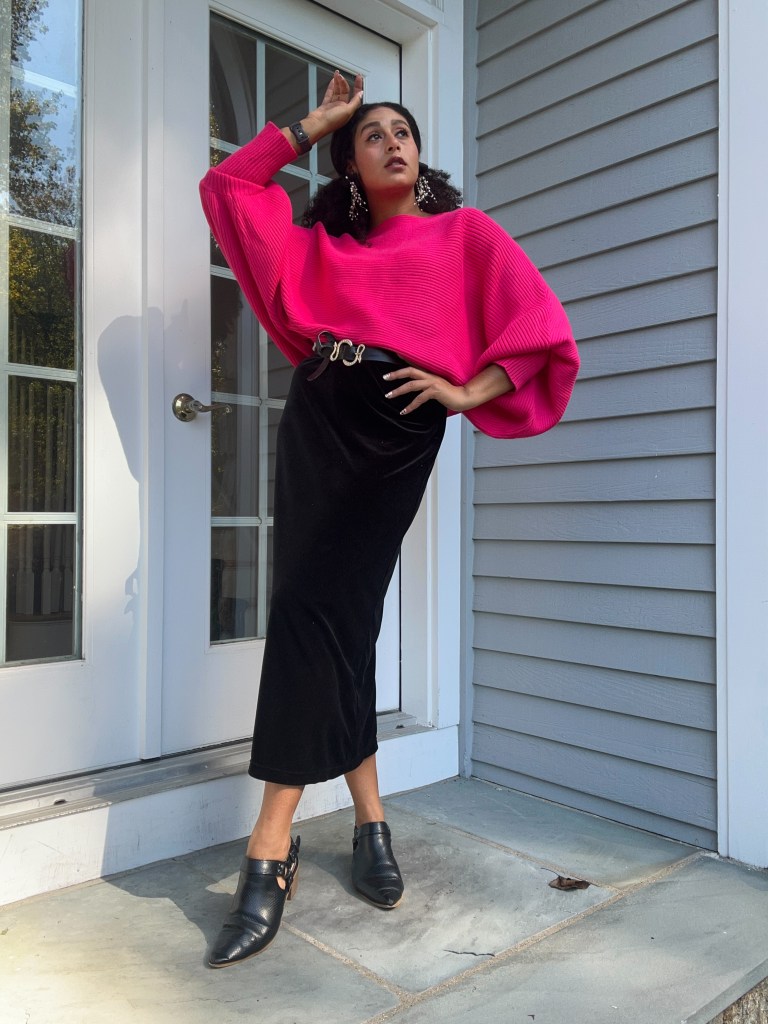
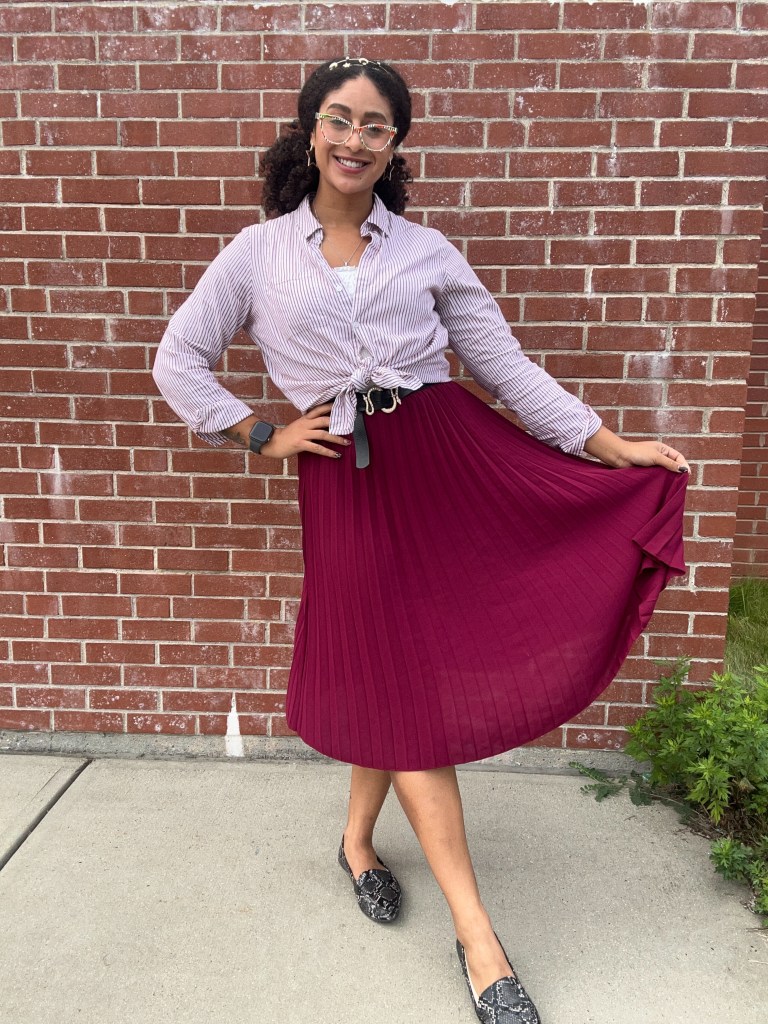
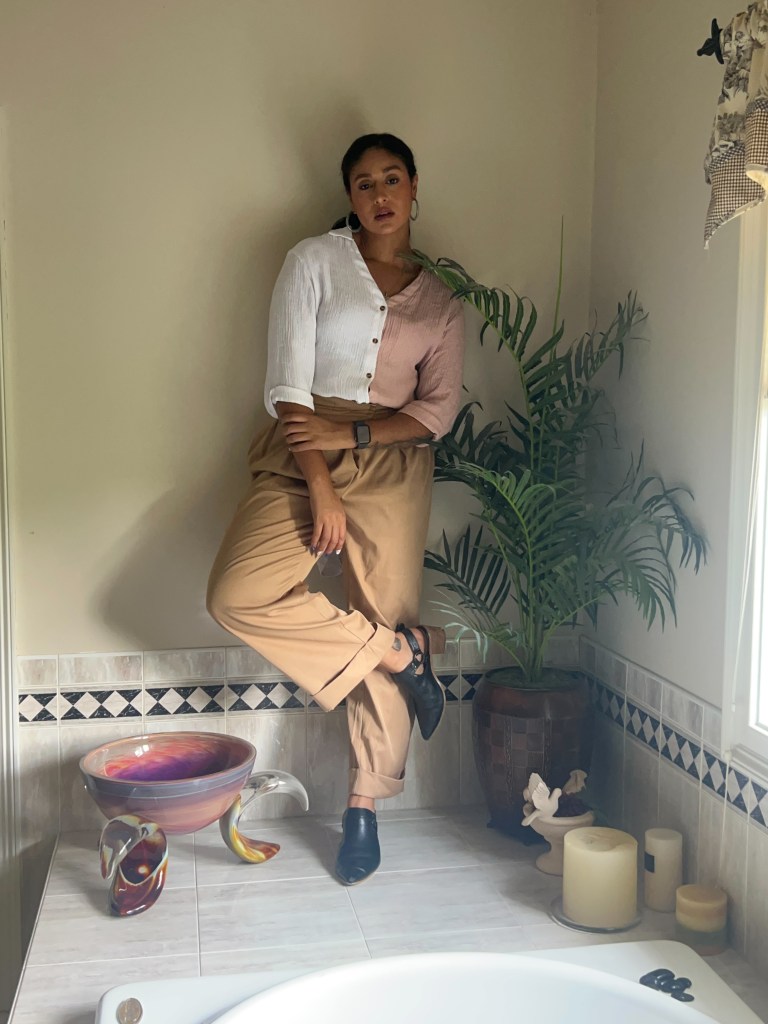
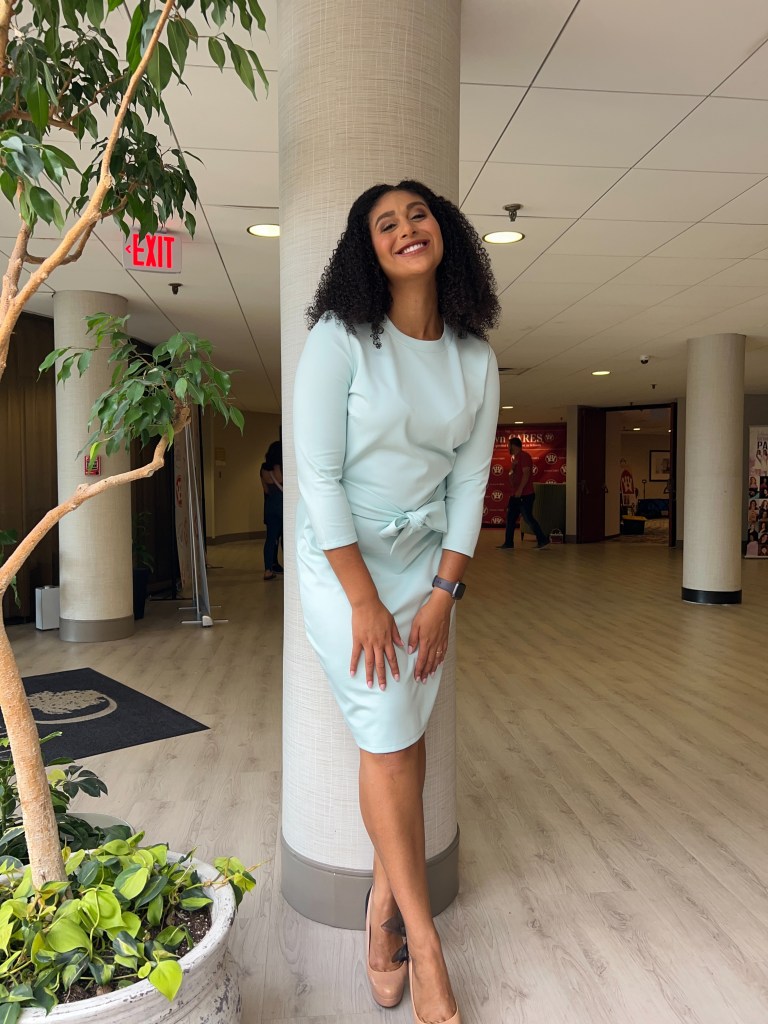
Never underestimate the power of artfully tucking layers if you’re opting for a proper blouse or button down. Depending on the bottom half – i.e., a skirt, trousers, jeans, etc., – you may opt to tuck your top all the way in, only a portion of the front, or even a French tuck!
And when in doubt, you can never go wrong with a dress slightly longer than knee length, which can even be paired with tights or leggings for extra leg coverage!
Business casual
Similar to the idea that formal is just a step down from black tie, business casual is a step down from business wear. You’ll be wear a lot of the same items, in a lot of the same locations, but it requires a slightly more casual approach.
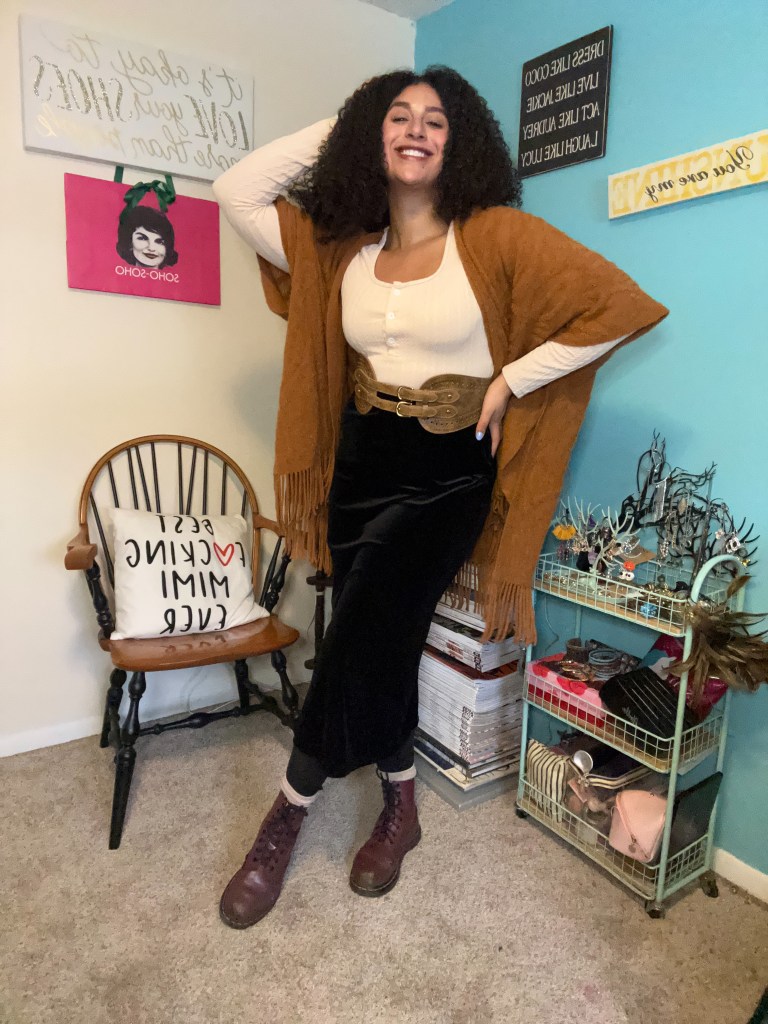
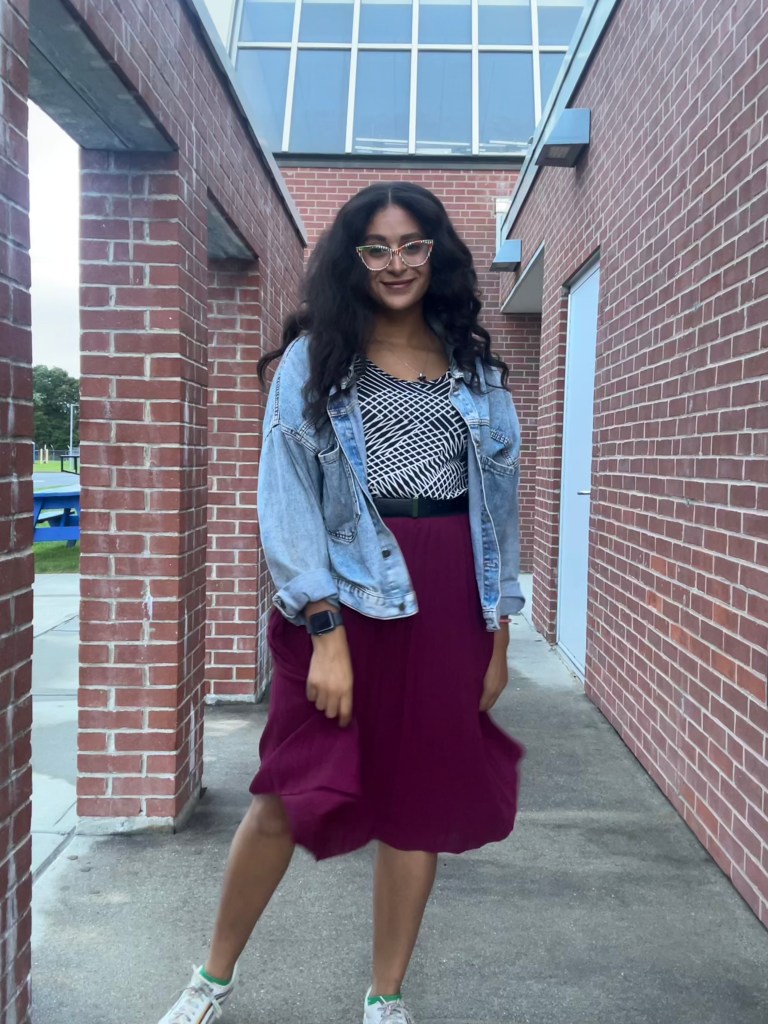
Maybe you’re opting for a button down and a blazer, so you’ll pair them with a pair of jeans and a comfy shoe. You still look appropriate for your meeting in an office, but you could also be attending a meeting at your local coffee shop! If I’m opting for a dress, I may add an oversized cardigan to add a cozy feeling, rather than a more form fitting sweater.

Daytime Attire
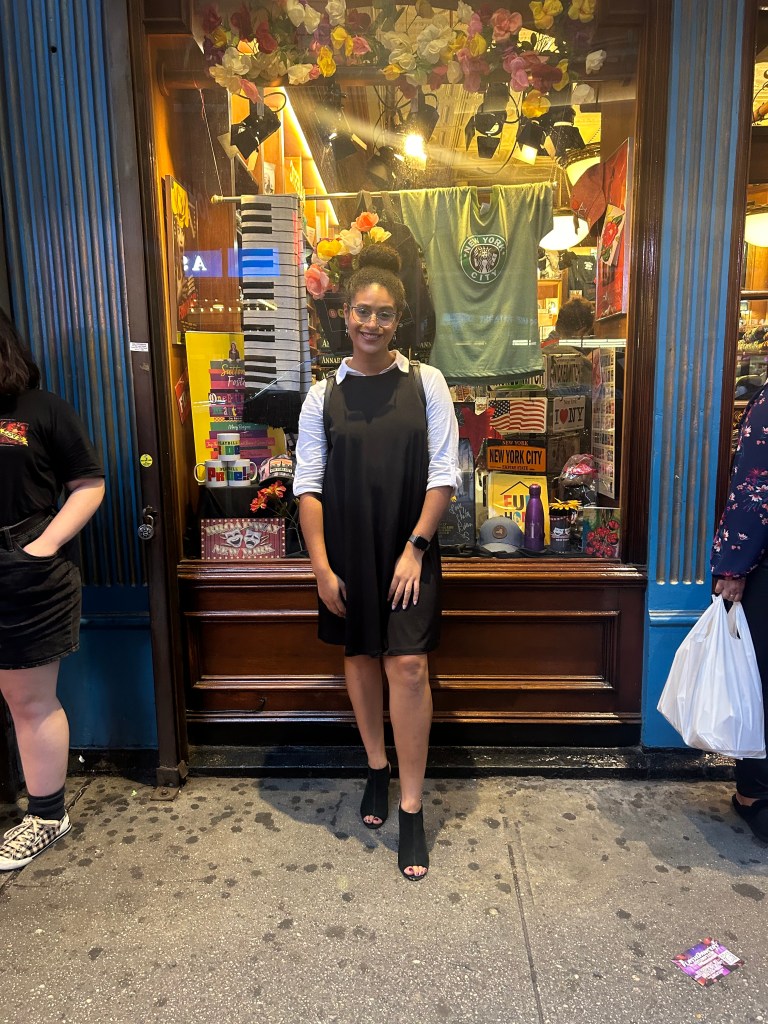
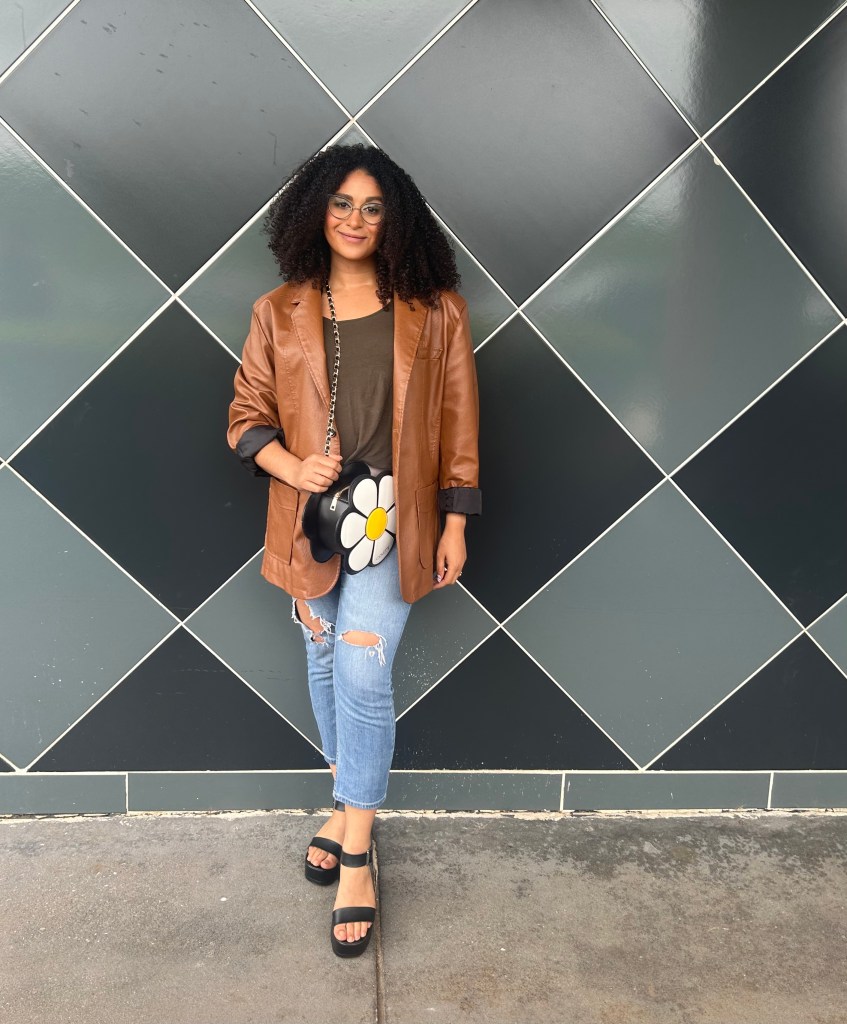
Daytime attire can be tricky, as it’s likely dependent on your event and location. Similar to business and business casual you may opt for pieces such as knee-length to midi length dresses, blouses, button-down shirts and sweaters, jeans, khaki pants, cropped pants; but you can also incorporate more casual items such as t-shirts and sneakers.
Accessories can include hats (think baseball cap style), large slouchy bags, sunglasses, and maybe even a jacket or coat, depending on the weather. By adding some edgier accessories such as a leather jacket, and edgier makeup like a smokey eye, you can easily take any of these items from daytime to nighttime!
Casual
Rounding out my collection of dress codes is casual wear! This is what you wear to have lunch or brunch with your girlfriends, to run your Saturday morning errands, or having a casual day out. Appropriate attire would include athleisure, jeans, t-shirts, sweaters and sweatshirts, leggings or pants of similar soft fabrics, maxi dresses, and other casual items.
The standout thing about casual wear is that it’s totally dependent on your personal style! My take on casual wear is dependent on the event and location – if I’m spending the day at home I’m opting for sweatpants and sweatshirts; if I’m running errands i’m opting for jeans, my Doc Martens, and either a hooded sweatshirt or a t-shirt and a flannel; if I’m meeting friends for a casual coffee or lunch I may opt for jeans, my Doc Martens or Converse, and a cute top and jacket, the combinations are endless!
How Do You Determine the Dress Code When Not Specified?
Now that we’ve run through what each dress code means and where it’s appropriate to wear it, it will be a bit easier to determine what to wear without a given dress code. We’ll need to take into consideration the following questions:
- What is the event?
- What time will it be held?
- What day of the week?
- What time of year?
- Where will it be held?
- Who is hosting?
- Who is attending?
- How many people will be attending?
- Is food being served?
- What role will you be serving while there?
As we discussed above, what the event is will tell you a lot about the sartorial expectation. If you’re headed to work, school, an interview or networking event, you’ll want to aim for business or business casual – well tailored, i.e., nothing too baggy or too fitted, appropriate hem length, i.e., nothing too short or too revealing – especially if it’s a daytime event. If your business-related event is in the evening, you can add a bit of visual drama by using flashy accessories!
If your event is being held outside, make sure you’re dressing appropriately for the weather! If there’s a likelihood of rain, this could be a great opportunity to play with layers and textures, incorporating different colors and patterns into your protective wear (like my leopard print rain boots!)
If you will be attending a sit down dinner, you don’t want to be wearing a gown or pair of pants that don’t allow you to sit down! This is also a great opportunity for layering – a shawl or oversized sweater paired with loose trouser is perfect for all of those upcoming Thanksgiving feasts!
And now the most nuanced point – what role are you filling? If you’re hosting the event, it’s perfectly acceptable to dress a little above the dress code as you’ll be the center of attention. Similarly, if you’re part of the organizational team behind the event, you’ll want to make sure you’re dressed at the given dress code. Volunteering at the event? Then you’ll do well to wear subtle colors such as blacks or navy’s. Attending as an invited guest? The dress code and nothing less! Are you someone’s plus one? Aim for the dress code, but do not stray above!
This is a point of much debate, but I believe it’s better to be slightly overdressed rather than underdressed – let me know your thoughts on this!
How To Meet the Dress Code Without Breaking the Bank
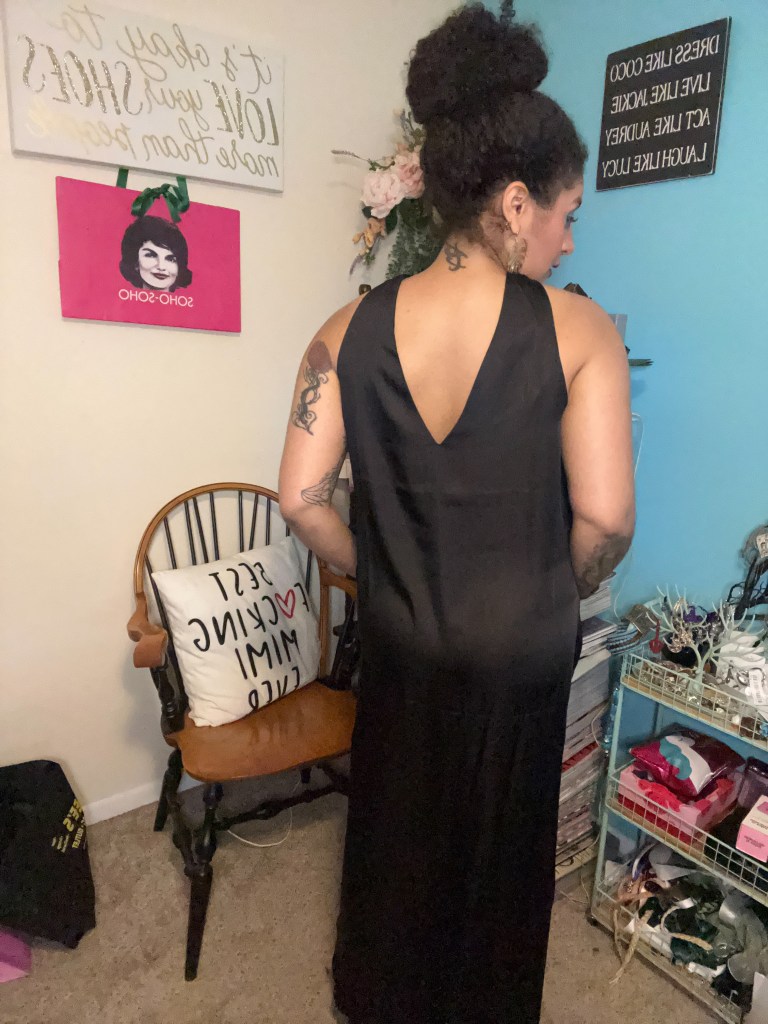
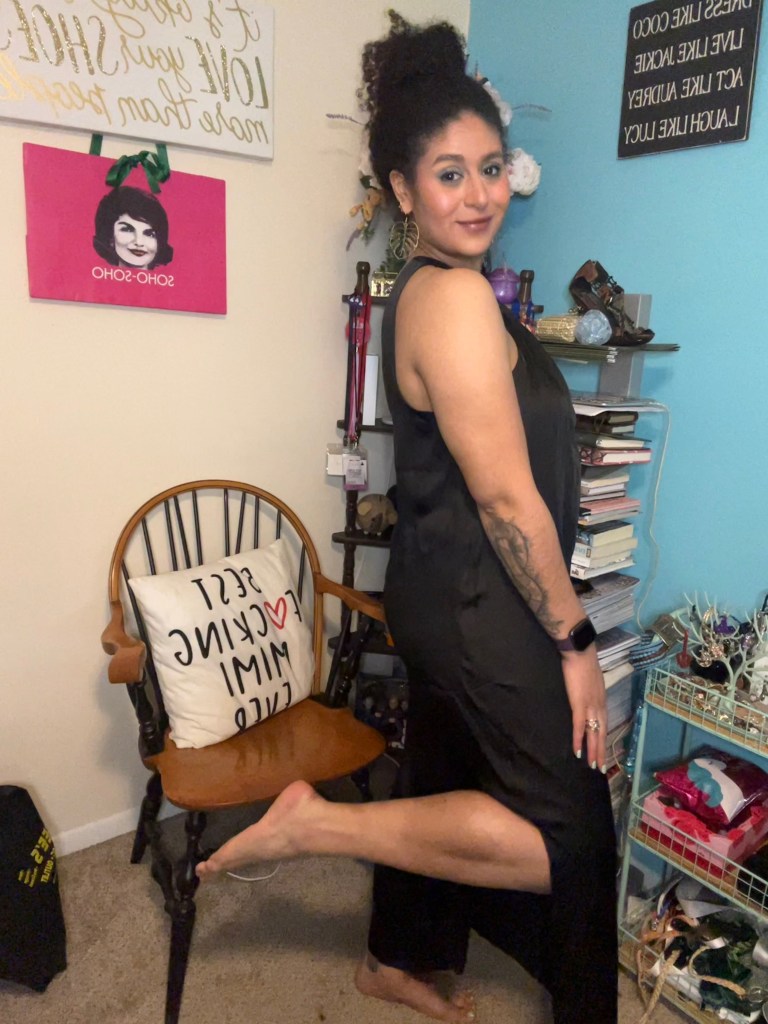
Now that we’ve figured out how to determine what you should wear to your next gathering, how do we accommodate the dress code without breaking the bank? This is where a staple item – like a little black dress (LBD for short) – can make all of the difference!
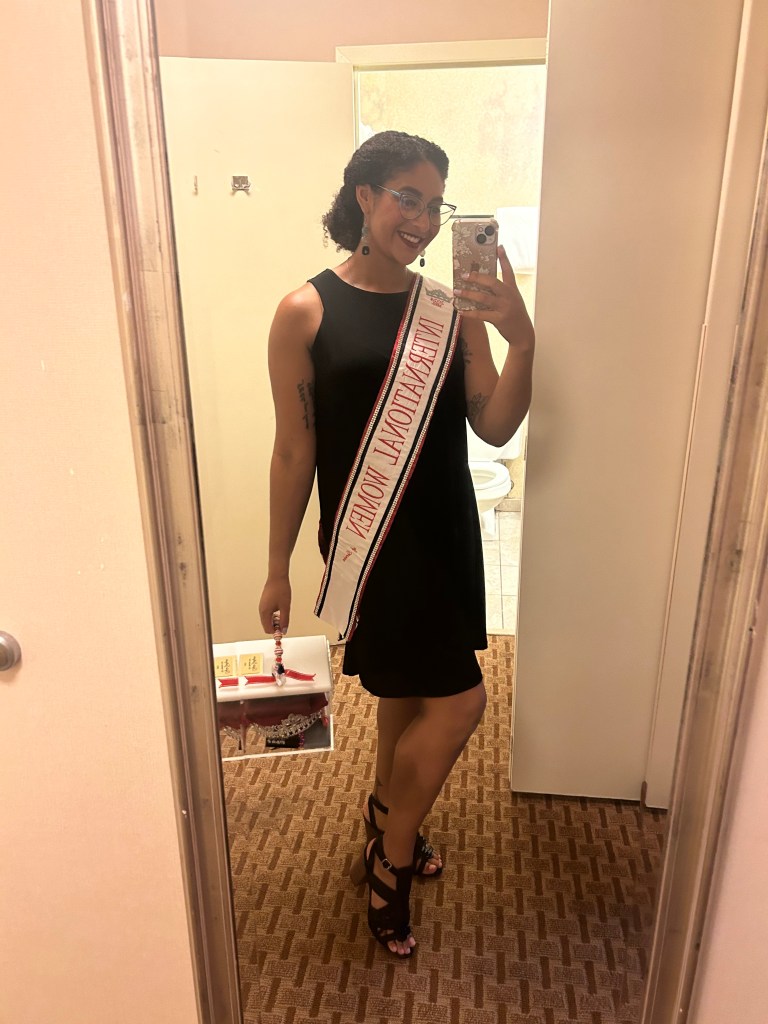
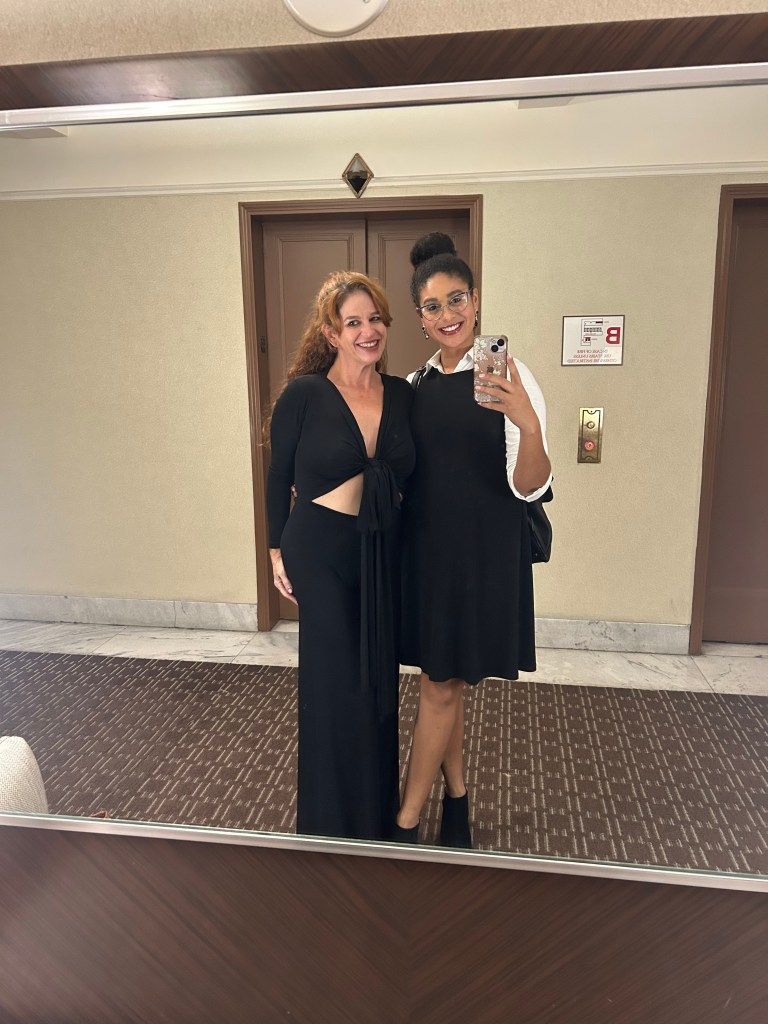
For example, I bought two LBD’s earlier this year – one by Clara Sun Wu from Renee’s Resale earlier, and the other by the brand Lalavon from Wild Heart Boutique – and I make sure to pack at least one of them on every trip I take! Not only are they comfortable and flattering, but they’re very easy to make appropriate for any occasion!
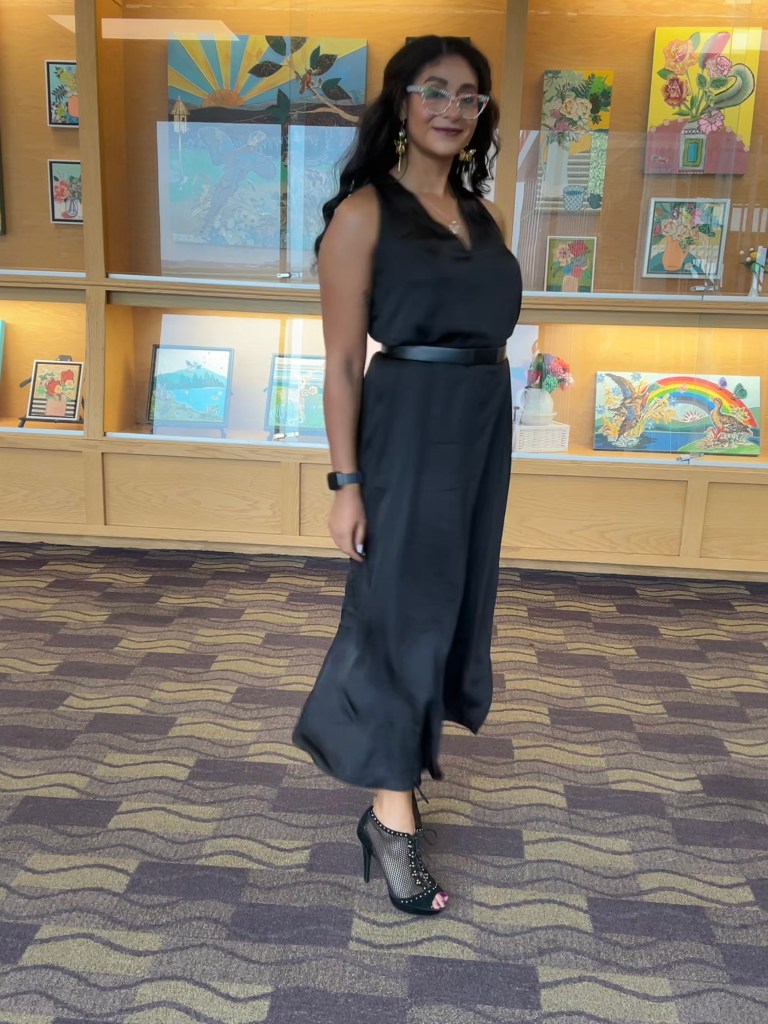
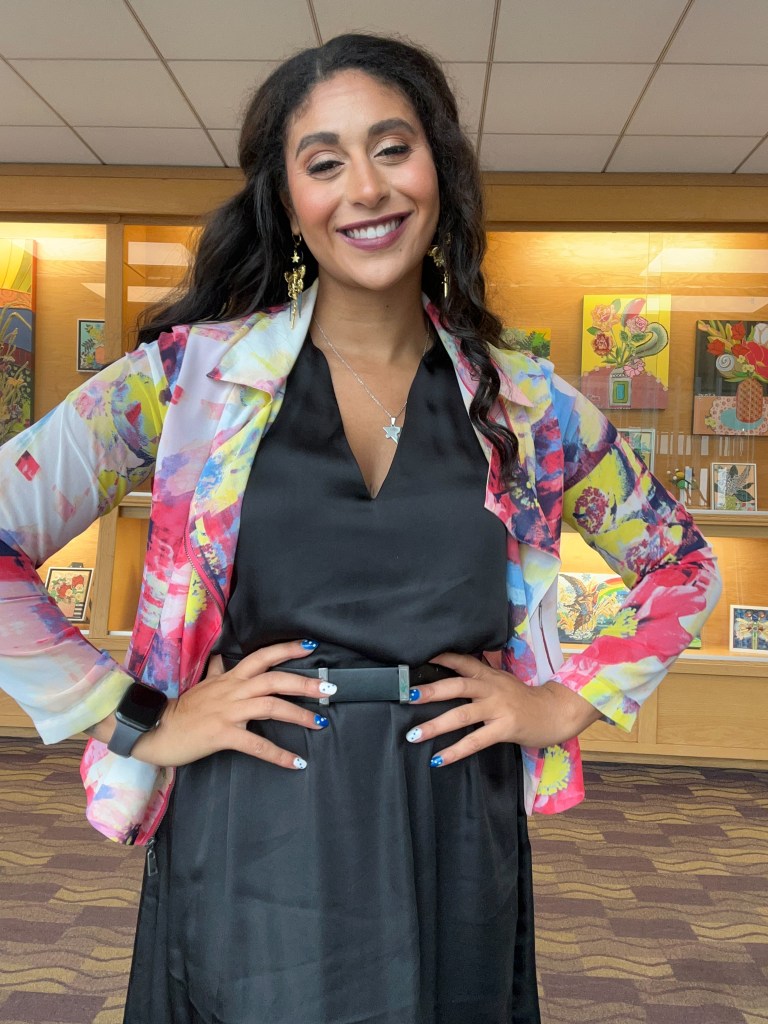
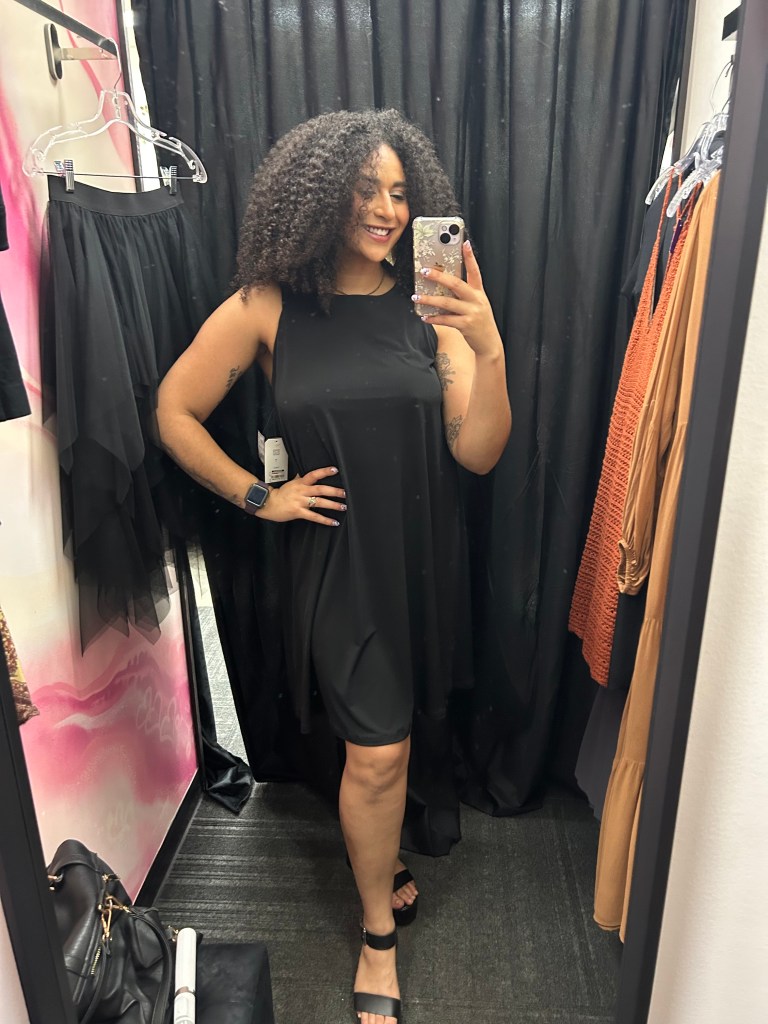
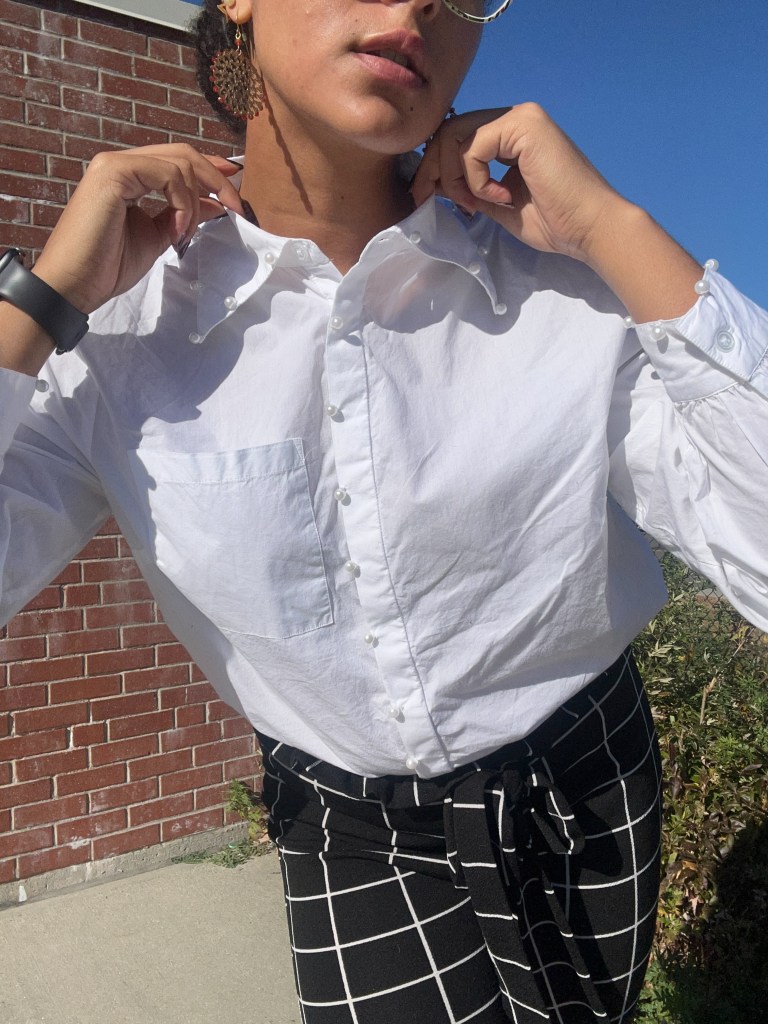
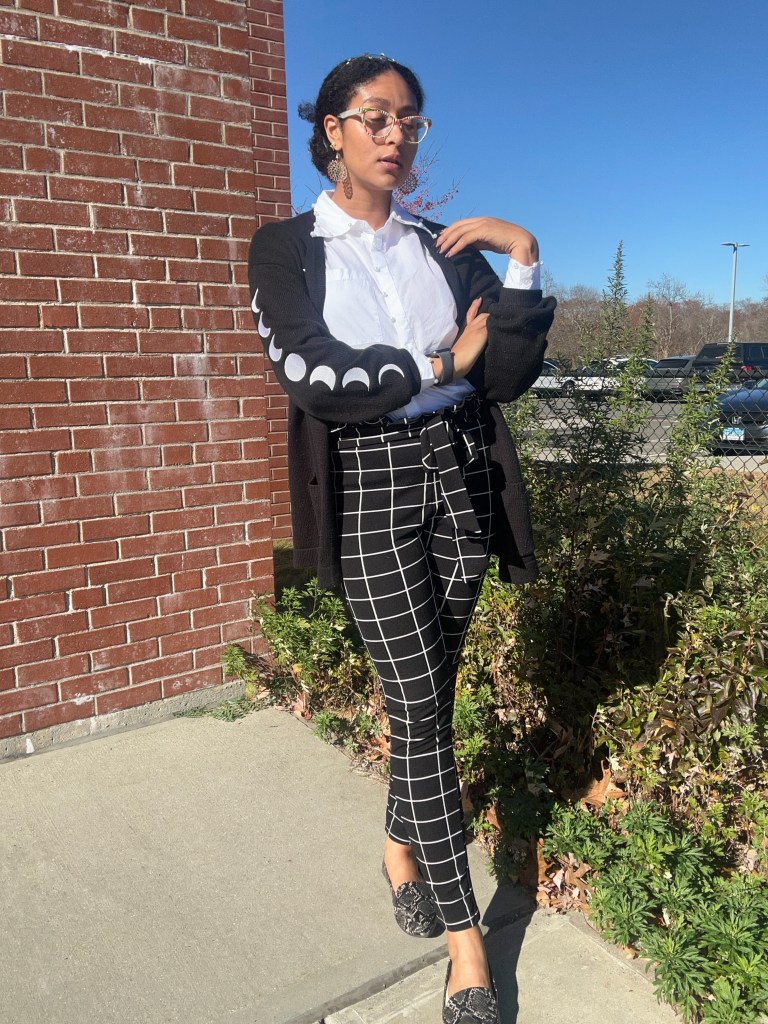
For those of us who prefer not to wear a dress, I recommend a solid black or tan trouser and a button up shirt. You can easily change up your shoes and accessories to elevate or dress down the outfit! I recently bought this beautiful button down shirt with pearl accents – for $12 in a Cracker Barrel in West Virginia! Never underestimate the power of a good deal!
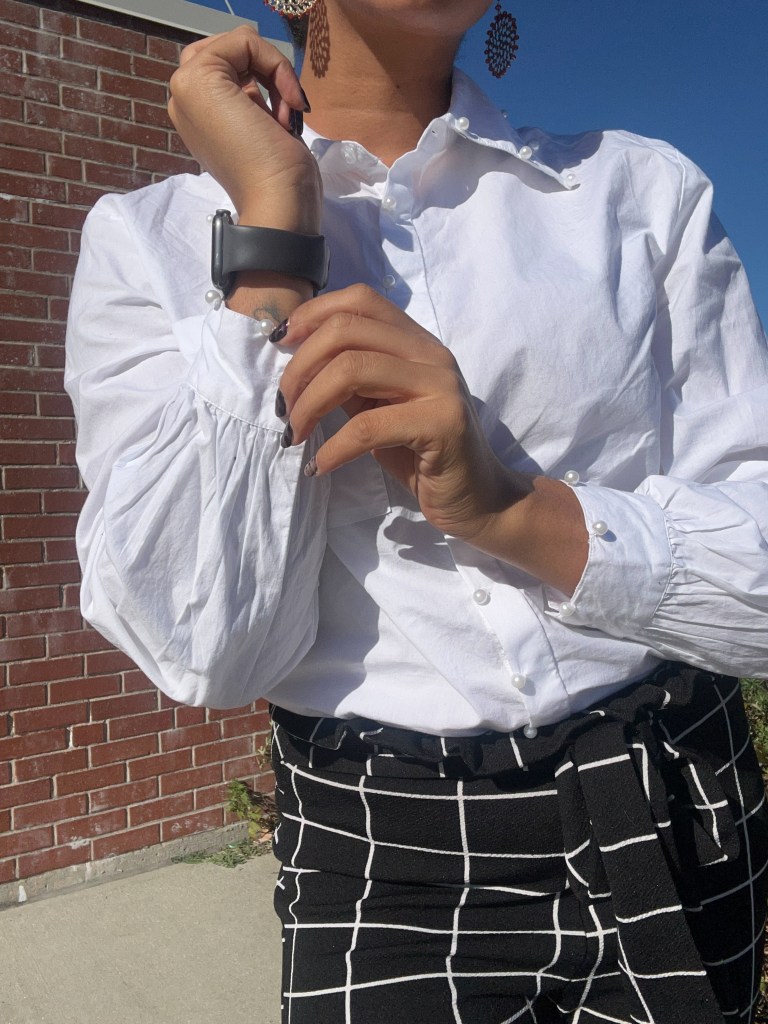

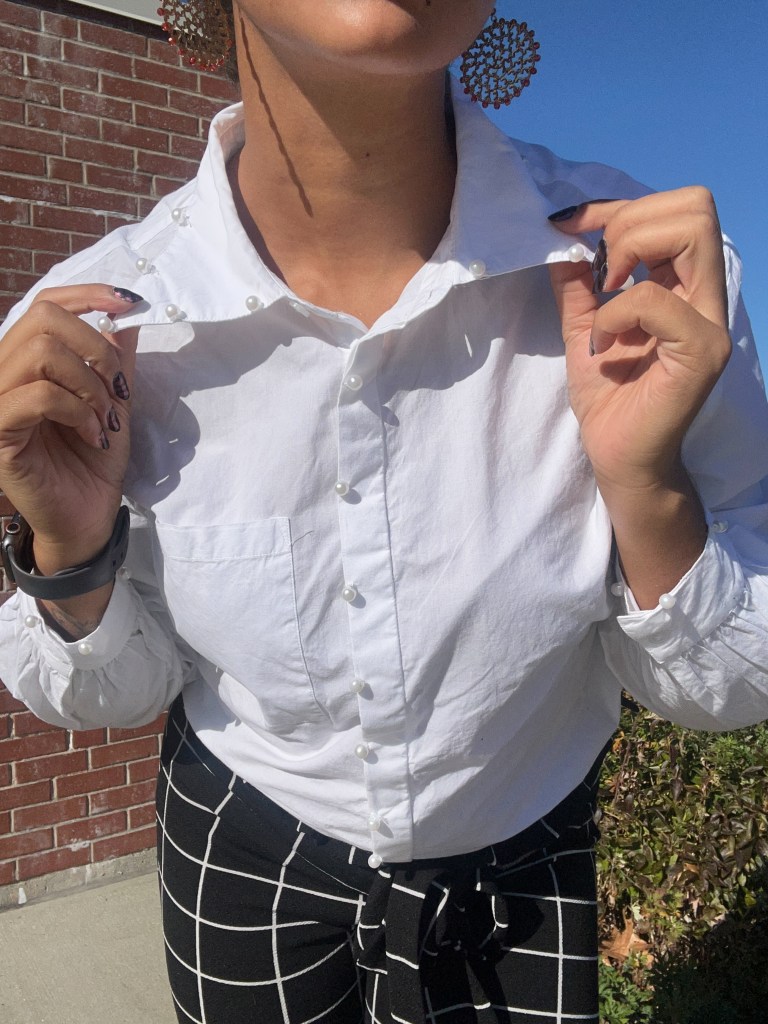
I’ve been talking a lot about “accessories” and “embellishments” but I haven’t really explained what I mean. This is the difference between “wearing” your clothing and “styling” your clothing.
Have you seen that trending video that says “if an outfit isn’t interesting through color, then it has to be interesting through shape, and if it’s not interesting through shape then it has to be interesting through texture, then it has to be interesting through color,”?
If my outfit is monochromatic (all one color, such as black) then I may choose to wear this velvet skirt with a black cotton bodysuit, a black leather belt, black suede booties, and either a black blazer or a black cashmere cardigan.
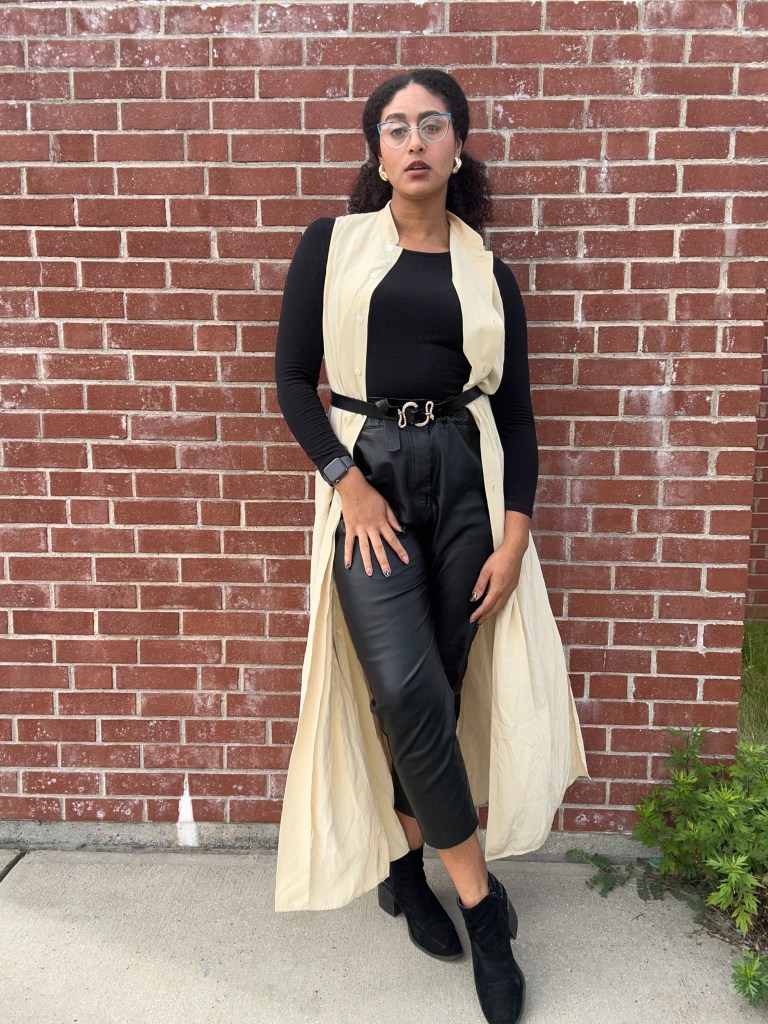
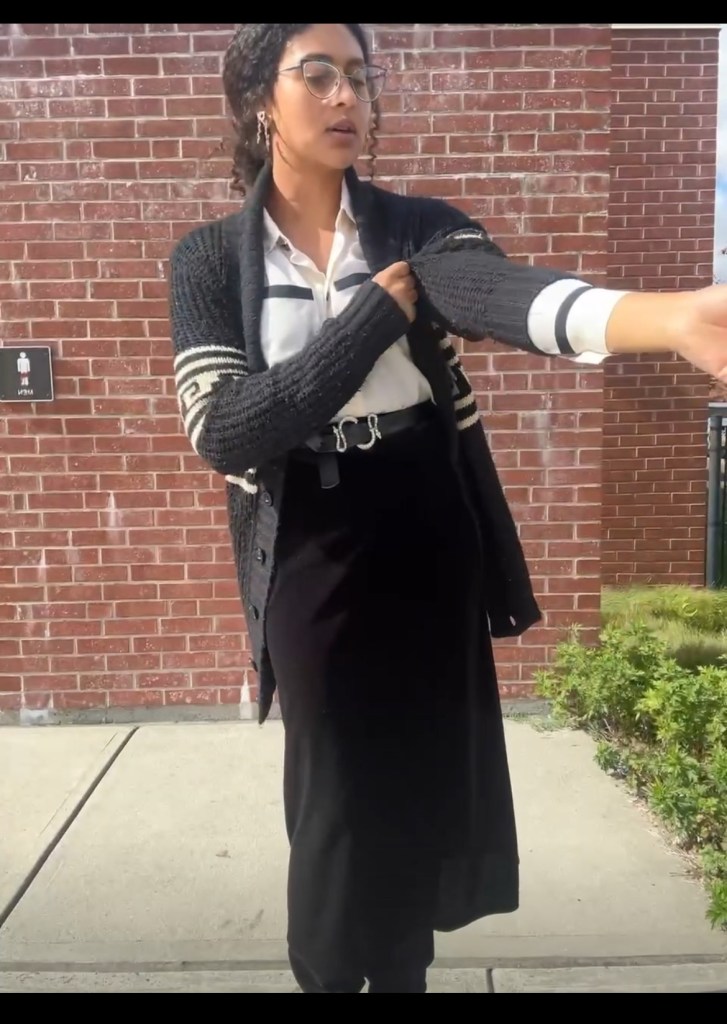
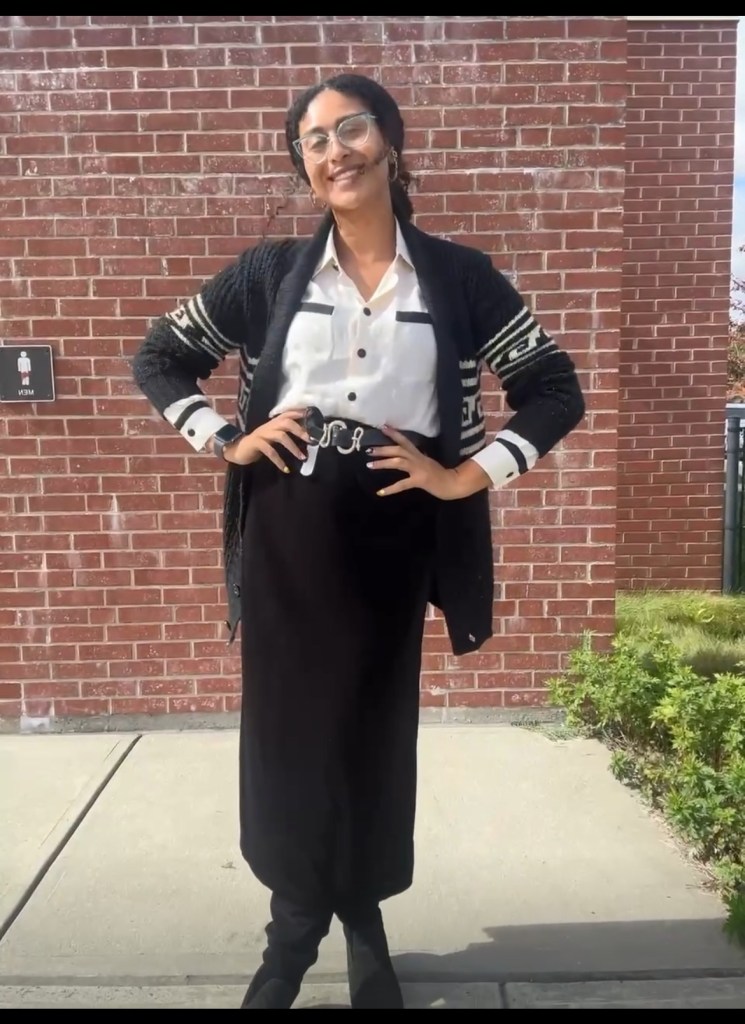
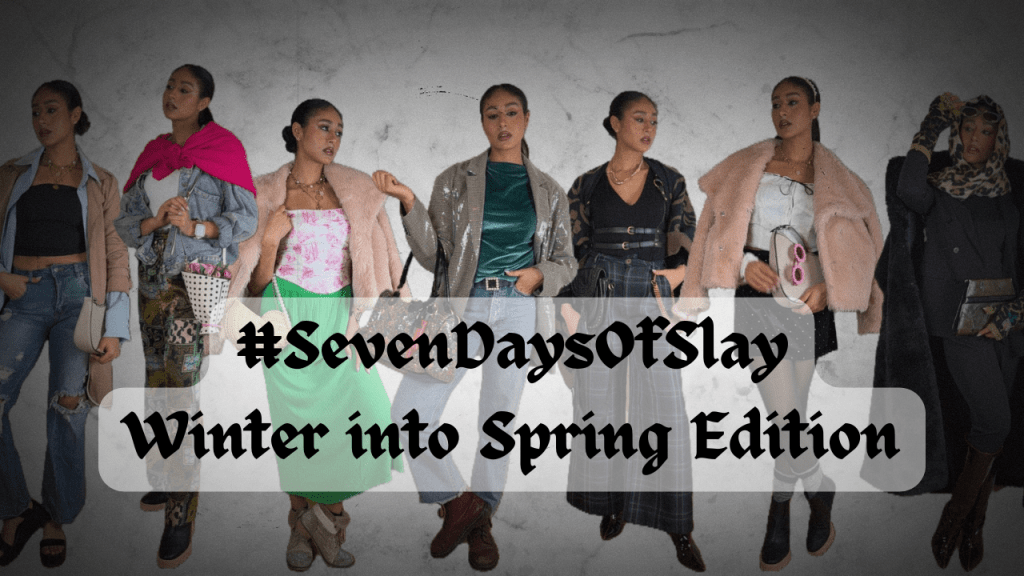
Maybe I want to wear a looser fitting trouser and a button down shirt, I may pick a white shoe to match with my blouse, adding a denim jacket to add a casual aspect to a traditional “business” silhouette! That same pair of trousers can be styled with a number of different tops and accessories to create several different looks!
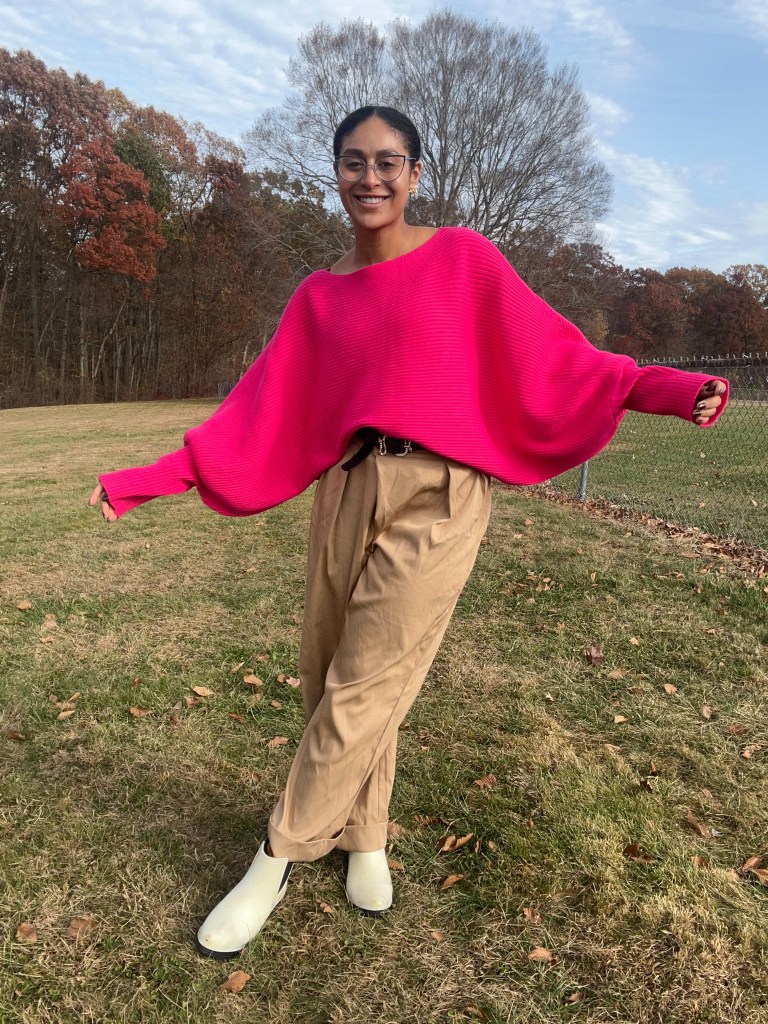
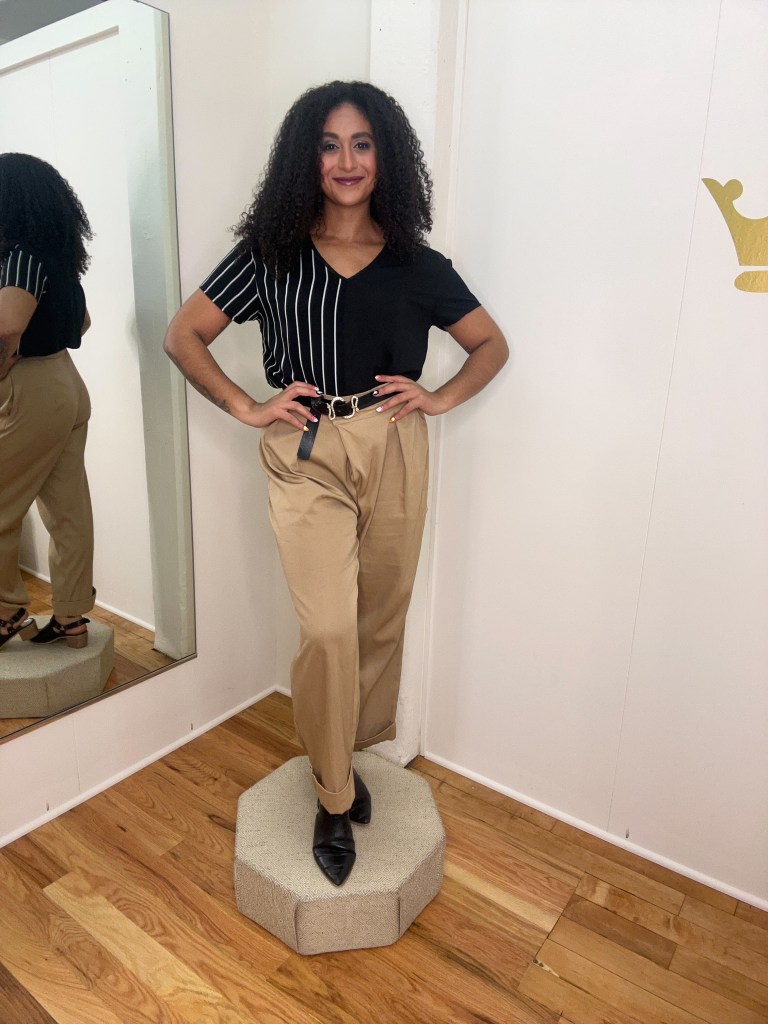
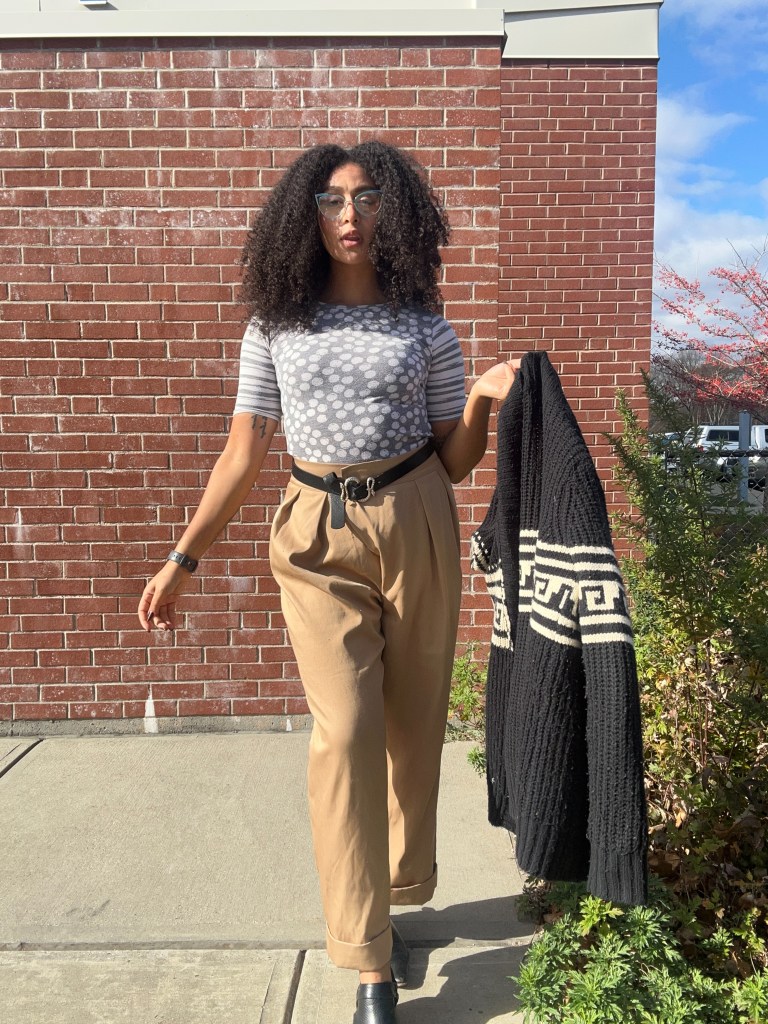
The most obvious choice would be to add embellishment or accessories would be to add jewelry – I am a huge proponent for throwing on a hoop earring before leaving the house. But there are so many ways to elevate your outfit such as a purse, a pair of shoes, your makeup, adding an accessory in an unexpected way – the way I used this broken seashell necklace as a hair crown for my mermaid halloween look – or even your hair itself!

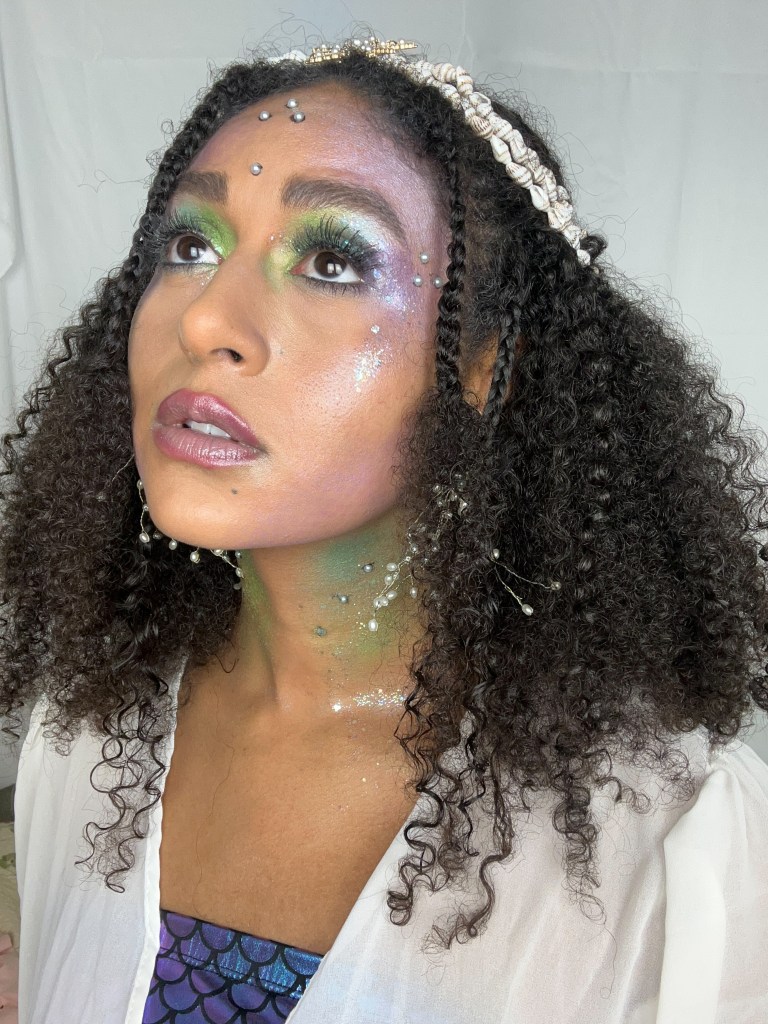
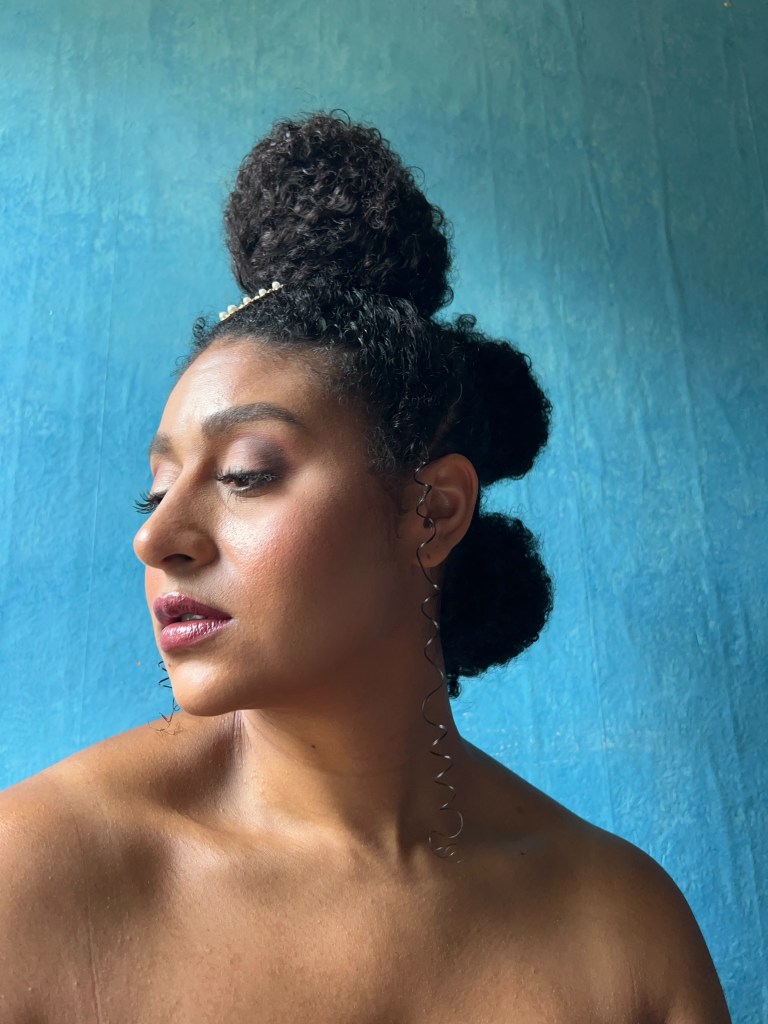
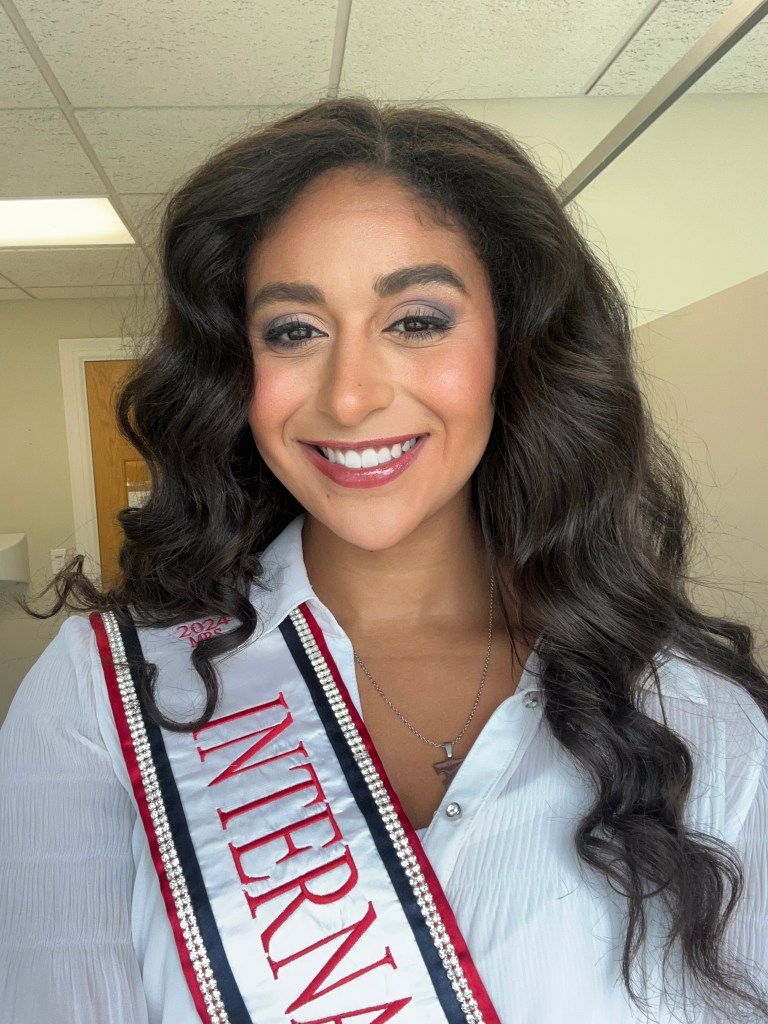
Never underestimate the power of styling your hair! When I’m feeling more casual I typically leave my hair down, choosing to craft intricate updos to create more drama. Sometimes I’ll even opt for hair accessories such as barrettes, ribbons, and headbands – you can try your hand at many of these looks by reading my two part series, “Creative Hairstyles – Part One & Two!” I’m also a fan of straightening my hair for formal events, because it can be such a drastic change from how I usually look!

What Do You Think?
How do you handle an invitation with a dress code? Do you have any pieces in your wardrobe that you like to experiment with? Let me know in the comments below!
Now that we understand how to dress for certain settings, I’ll be back next week to discuss how to maximize your wardrobe – utilizing pieces in new and unexpected ways, and how to create a capsule wardrobe!
Have a great rest of your week, and remember to SLAY!


 We Aim To Slay
Leave a reply to How To Make the Most of Your Wardrobe! – We Aim To Slay Cancel reply