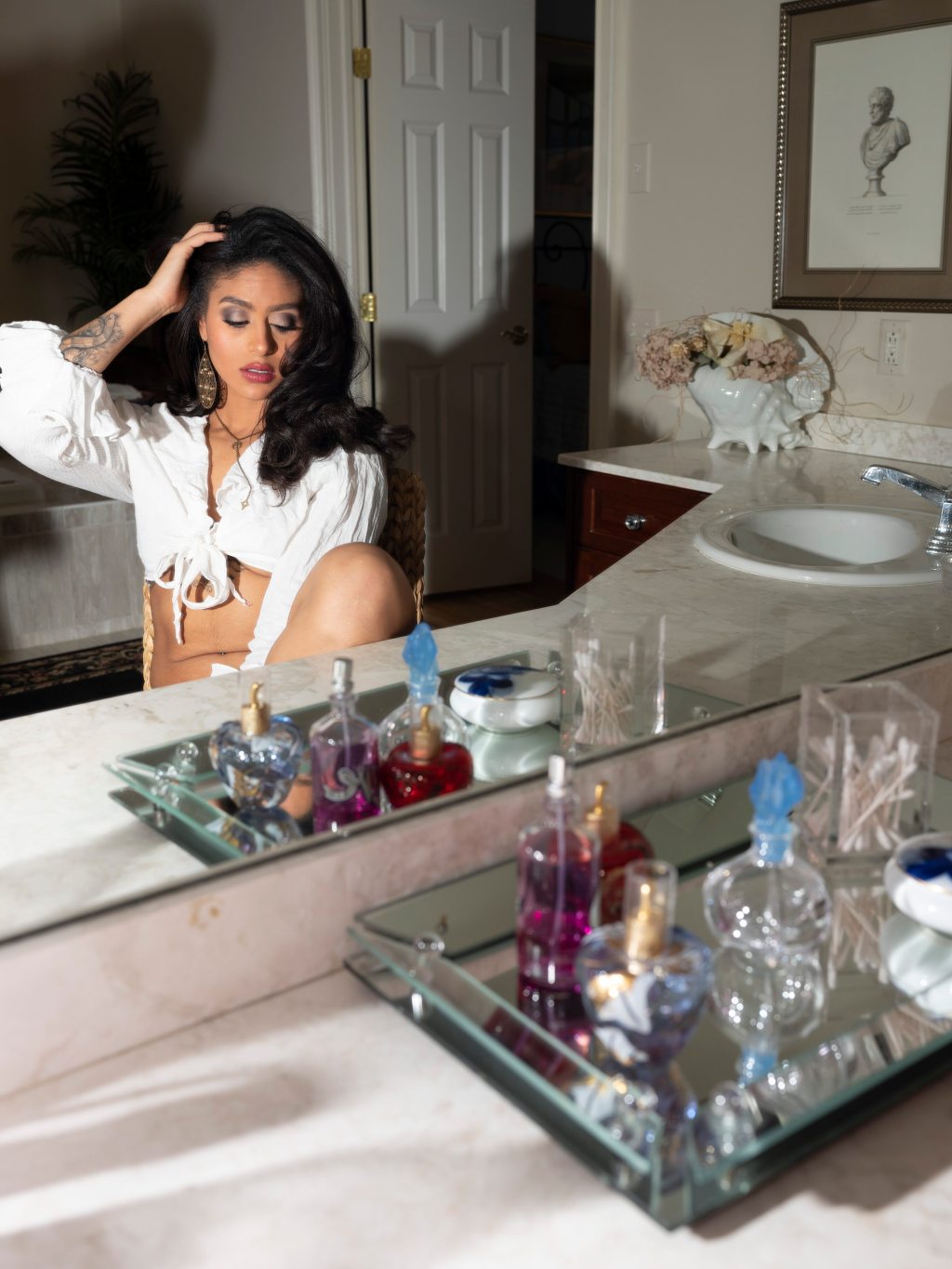
Few things are as powerful as a scent. Certain smells have the power to invoke strong feelings, instantly transporting us to a distant time and place. Fragrance is a personal experience – there’s no right or wrong selection; it’s all about the emotions that are evoked.
Much like the idea of having a routine or a uniform, the idea of a “signature scent” has spanned centuries. As the name states, it involves finding the fragrance that matches who you are – and then it becomes part of your identity. So how do you pick a signature scent? And once you pick the scent you like best, are you committed to it for life?
Today we’re breaking down how to select your next fragrance, and the shocking hack to do so with ease!
My Fragrance Journey
I am far from what I would consider a signature scent person. The first perfume I can remember wearing was a tiny bottle of Juicy Couture eau de parfum which smelled distinctly like jasmine to me. As I got older and started shopping at the mall, I was instantly attracted to how crisp and clean the Bath & Body Works Moonlight Path smelled before I was lured to the slightly spice edge of their Twilight Woods scent. It was that spicy edge that would win out, as my high school aged self fell for Victoria’s Secret’s Amber Romance.
Through my late teens and early 20s I realized that men’s colognes tended to have that spicy scent I was after, and turned to Marc Jacobs’ BANG!, before going several years sans any perfume at all. In the last few years I’ve tried untold samples scents before landing on the three I like best currently – the bottle I cannot afford, Viktor & Rolf Spicebomb Infrared (an eau de parfum for men); the scent I wear most frequently, Maison Margiela Replica By The Fireplace; and the scent I was surprised to love, Lime Sands by the brand Skylar.
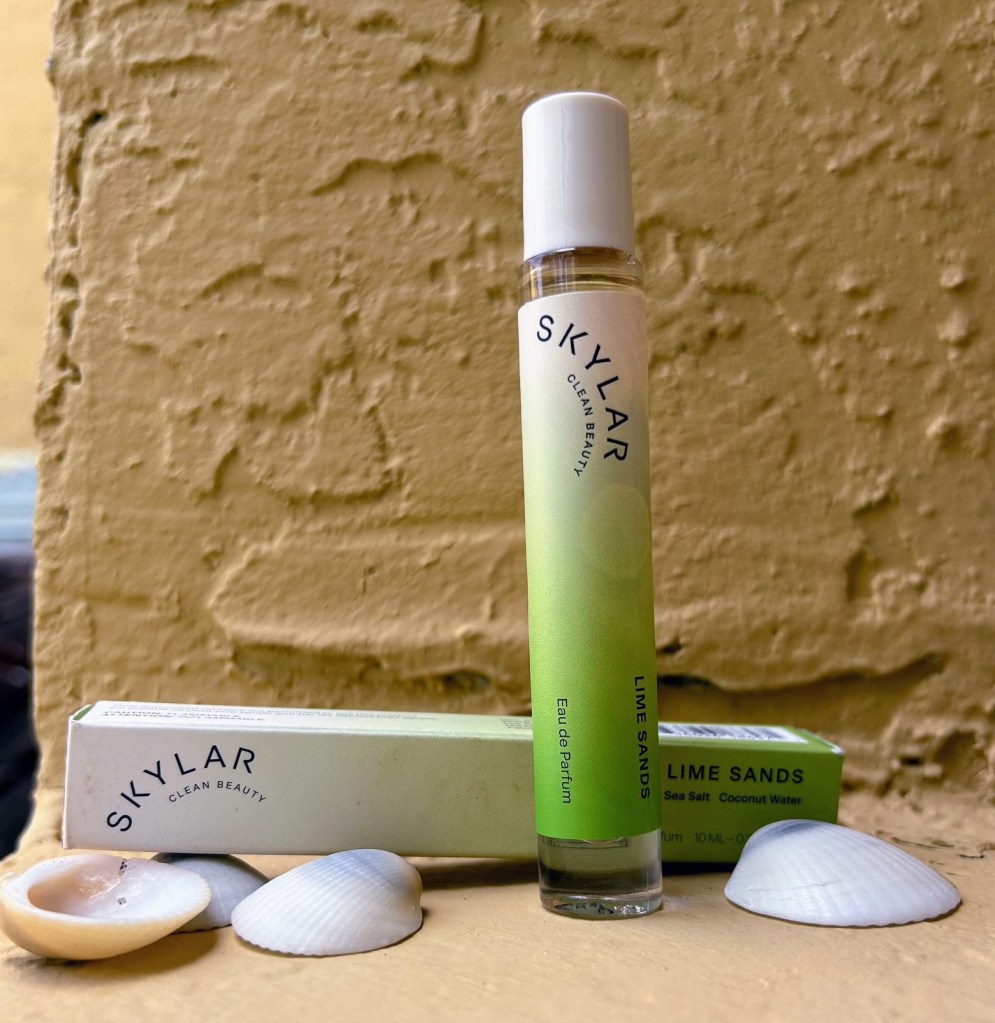
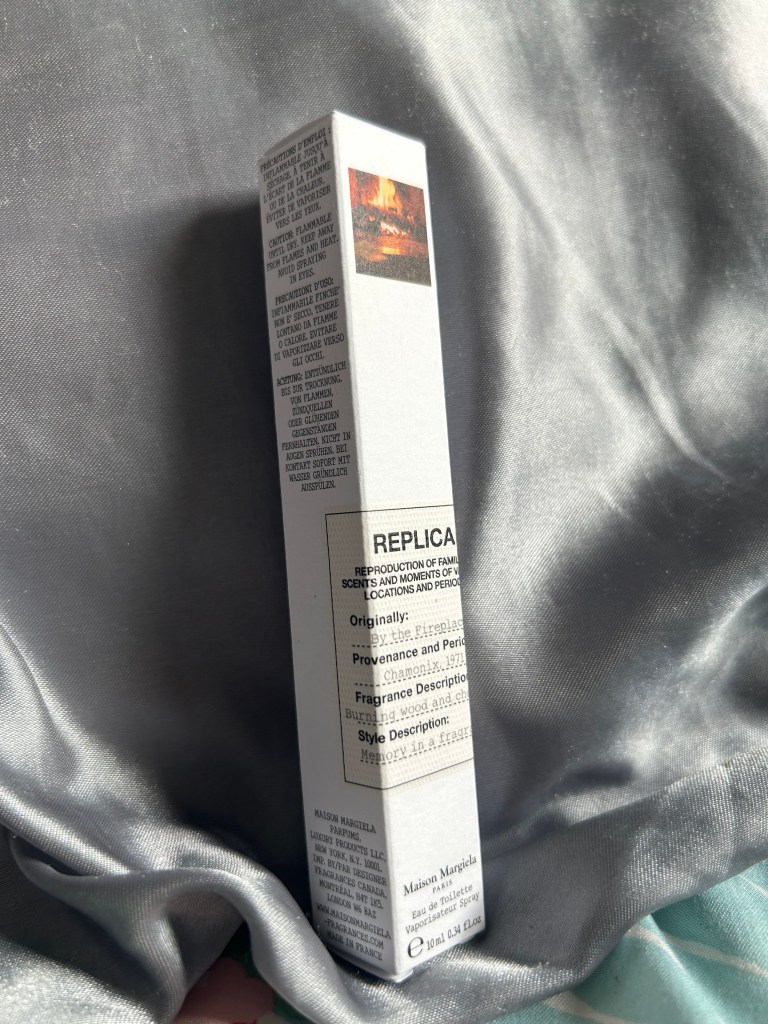
Nearly two years ago, and prior to discovering Lime Sands, I saw a video of a fragrance industry expert discussing the correlation between a perfume’s color and its scent. She explained that the color of the perfume itself, the bottle it’s in, and the packaging, all align with the scent of the fragrance. In the same way that a smell can trigger a memory, a visual queue such as a color can invoke a scent.
A Brief Understanding of Fragrance
The history of fragrances and perfumes stretches back to the dawn of civilization, according to The Perfume Society, who explained that there are recorded perfume and incense recipes engraved in hieroglyphs in the ancient temples of Egypt. It wasn’t until the 19th century when synthetic ingredients were created that perfume became an everyday accessory, and that move stems directly from the introduction of Estee Lauder’s “Youth Dew” (a scent that started as a bath oil).
You may have encountered the terms “perfume, “eau de parfum,” “eau de toilette” and “parfum” – and the difference between them is as subtle as the product they describe. According to Yves Saint Laurent, “each of these fragrance types denotes a particular concentration of fragrance oil – and therefore intensity.” The concentration of the fragrance oil will be highest in a parfum (up to 40%), an eau de parfum will be in the middle (about 15 to 20%), and eau de toilette contains the lowest concentration (5 to 15%). A higher concentration of perfume oil allows for a more intense scent which tends to last longer throughout the day.
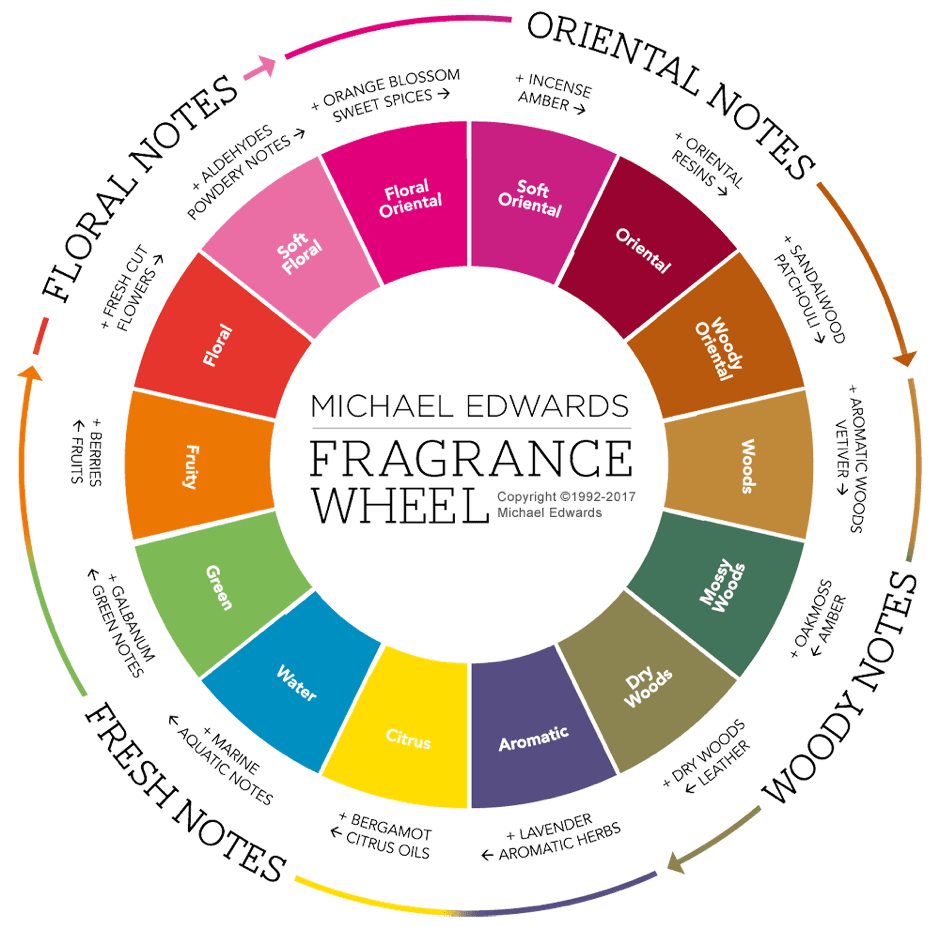
Another term used frequently when discussing fragrance is “notes”. According to Perfume Direct, “you will often see top, middle, and base notes being used to describe a fragrance,” which refers to the layered blend of ingredients. The top notes “are what you smell immediately after spraying.” The middle notes (also called the heart) “are considered to be the main body” and last longer than the top notes. And, the base notes are “the longest lasting, mixing” with the “middle notes to create the full body.” According to the article fragrances are divided into four note families – Oriental Notes (also known as Ambrée Notes), Floral Notes, Woody Notes, and Fresh Notes.
Oriental or Ambrée Notes
It was during my research that I learned I fall into the “Oriental Notes” category. Now, that is the historic classification for this scent family, but it has been deemed as outdated, and frankly offensive, so I will be using a term coined by the Perfume Society “Ambrée.” According to Perfume Direct, these fragrances are “warm, sweet, and even a little spicy,” and include a wide scent variation such as “floral ambrée, soft ambrée, and woody ambrée.”
Floral Notes
As the name implies, floral scents tend to mimic the sweet and dainty scents of the flowers included in the recipes – frequently including rose, jasmine, lilies, and peonies. Perfume Direct explains that these fragrances “can range from being light and delicate to more complex and intense.”
Woody Notes
Like the ambrée family, woody fragrances are considered warm, “with a mysterious and captivating scent” that uses “wood-based smells like cedarwood, sandalwood, vetiver, and amber.” They can be divided into “mossy woods with an earthy, sweet undertone, and dry woods which often have a smoky, leathery smell to them.”
Fresh Notes
Perfume Direct explains that the scents in the “fresh” category typically include “citrus, water, and green notes” and explains that they have “refreshing, zesty and vibrant smells.” On the citrus end you’ll find lemon, mandarin, and bergamot, while the water fragrances are “made with aquatic notes like sea spray,” and the “fresh green fragrances are often reminiscent of herbal and leafy scents for a crisp, uplifting smell,” and sometimes aromatic notes such as lavender, rosemary, or basil.
Where To Start
Now that we have a basic understanding of how to determine what kind of scents to look for (and their coordinating color), let’s talk about what to do with this information. For the majority of my 30 years I have gravitated towards scents that I could only describe as spicy. I now understand that these scents are in the ambrée and woody families – which explains why my preferred fragrances (Spicebomb and Fireplace) tend to be either a deep burgundy or an amber color.
This makes a lot of sense when you think about my overall aesthetic: I tend to vacillate between traditional items and silhouettes with a twist…
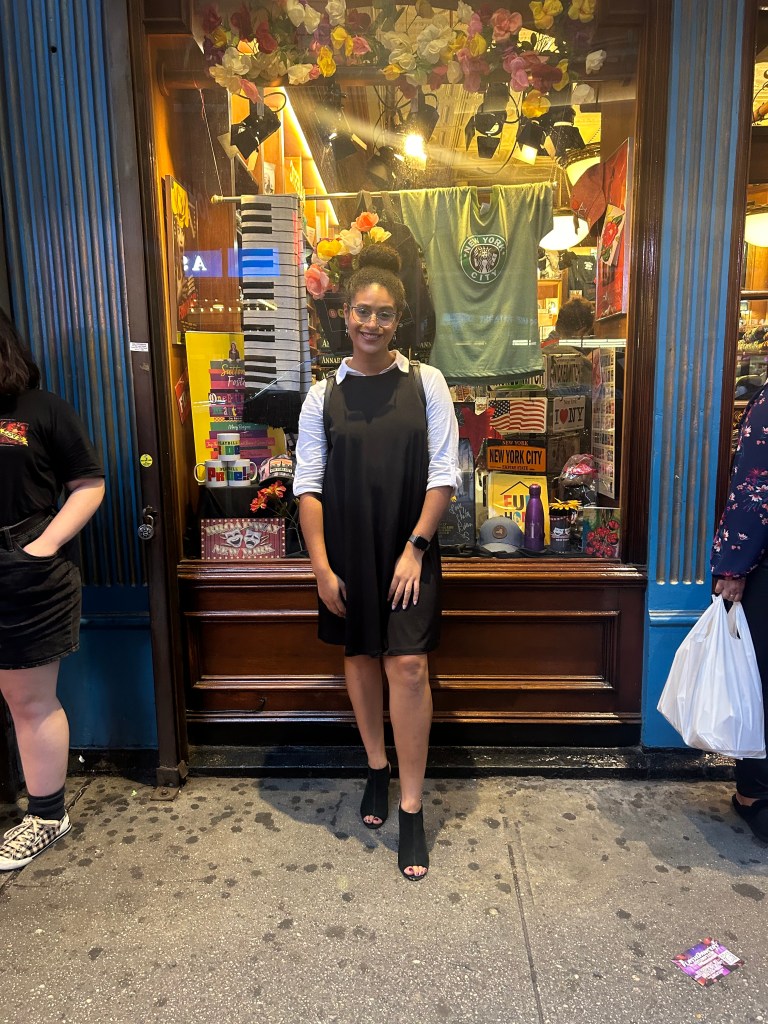
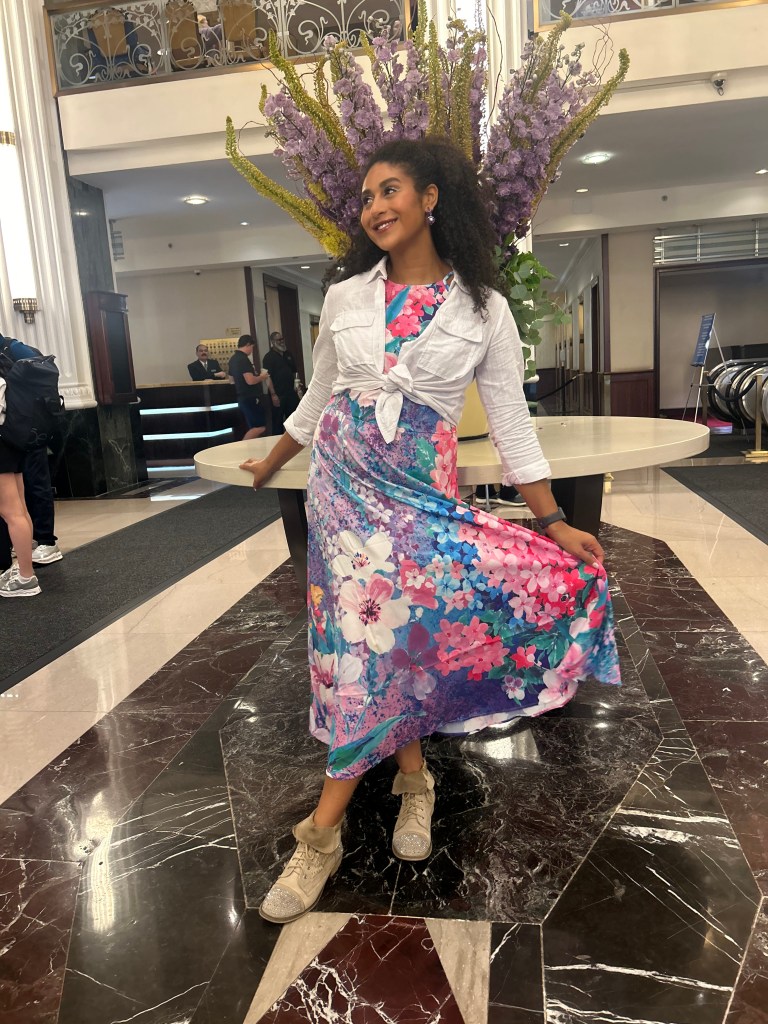
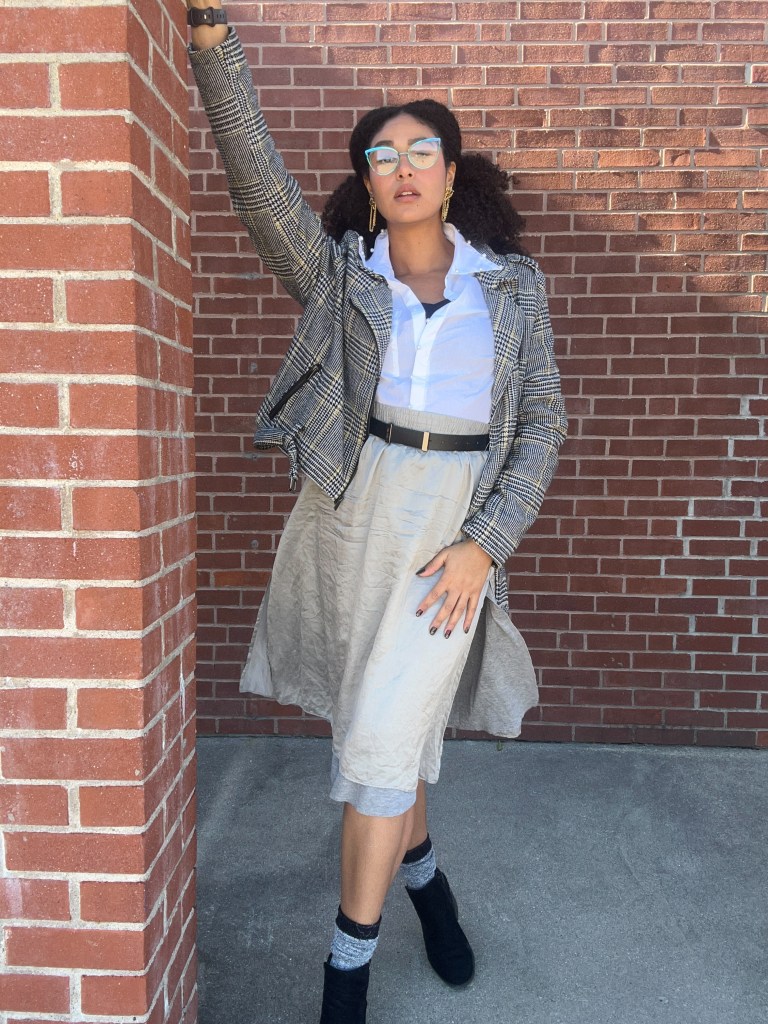
…and a darker, more grunge glam approach.

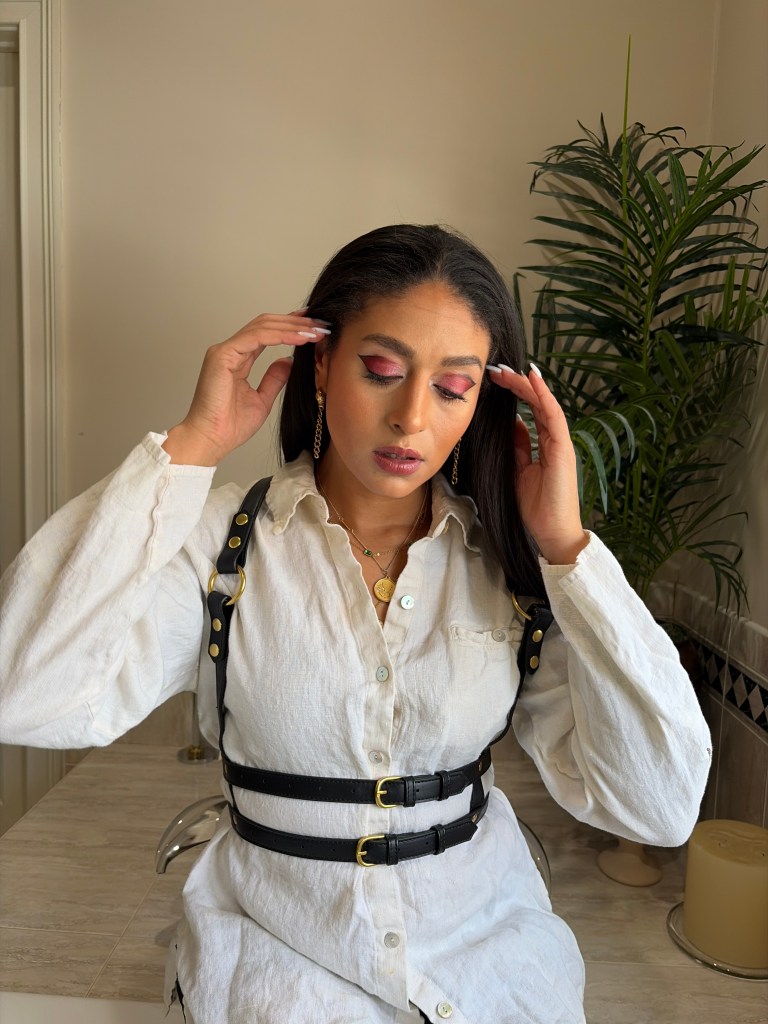
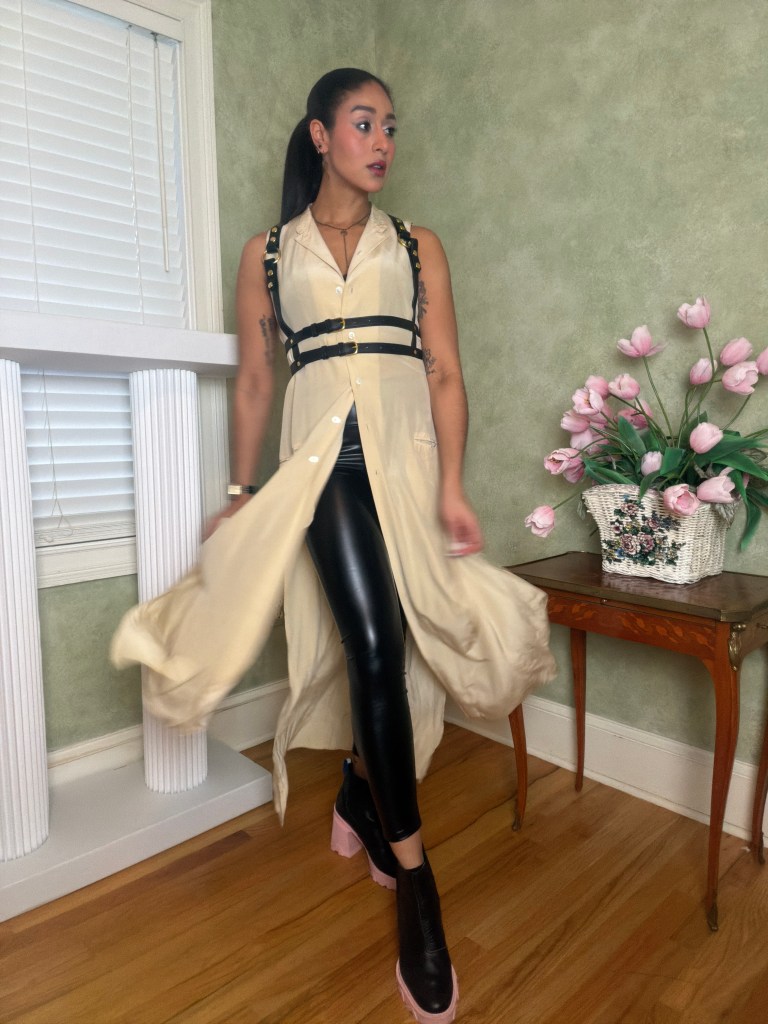
But that could not account for the bright green of Lime Sands. In fact it lies utterly outside of my usual selections, as the third most common color I pick tends to be the dark blues and violets – the aromatic end of the woody family.
Fragrance is such a personal experience – there’s no right or wrong answer; it’s all about the emotions that are evoked.
To me, Lime Sands – top notes of lime, sea salt, and verbena; heart of lily of the valley, coconut water, and orange flower, and base notes of driftwood, vanilla, and musk – represents vacation. I bought a roller bottle size last spring and by the time this winter arrived I had finished three bottles. For six months straight I didn’t leave my house without a bottle of Lime Sands in my purse, and during that time, I think you can see the impact having a “vacation mentality” had on my wardrobe.



Finding Your Match
When selecting the best fragrance for yourself – or a loved one – consider who you are and how you like to present yourself to the world.
Are you someone who prefers to be outside with the wind in your hair? You’ll likely fall in the fresh and woody categories: if you prefer a beachy breeze, opt for the light blues that invoke the ocean; whereas someone who desires fresh mountain air will likely opt for a dark green to invoke the forest.
If, like me, you like to be sexy and mysterious, I’d recommend selecting something from the luxurious ambrée note family which can skew floral or earthy depending on your preference. Are you more of a minimalist, preferring a clean and simple scent profile? Lean towards the fresh notes, opting for the very soft pastel hues that mimic the scent of fresh linen.
I highly recommend taking advantage of sample and travel sized bottles while you’re still shopping for the scent you like best! Because of the personal nature of fragrance, it can be difficult to predict what scents will make a good gift, like this Chanel scent I was recently gifted…

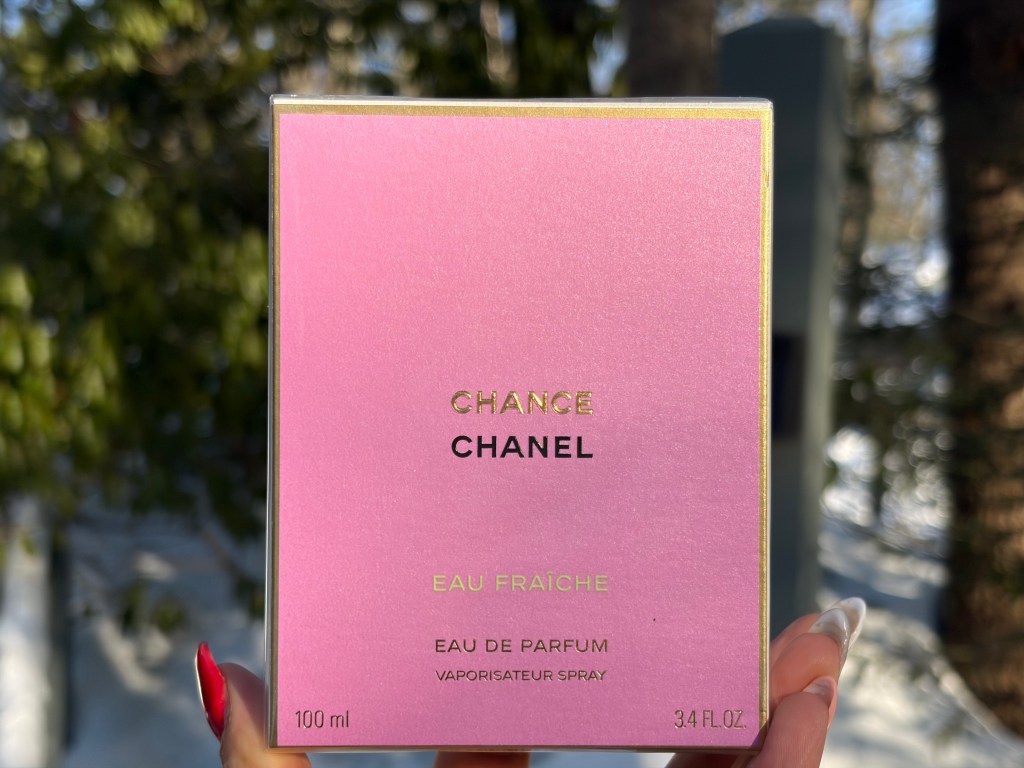
…but not impossible! With the growing number of fragrance companies and product formulations, I truly believe there is a signature scent for everyone – and sometimes more than one!
What Do You Think?
Will you be selecting a fragrance for yourself of a loved one in honor of Valentine’s Day this weekend? Do you already have a signature scent? I’d love to hear about your perfume preferences – let’s start a dialogue below!
I’ll be back next week to share my new found love for the world of faux eyelashes!
Have a great rest of your week, and remember to SLAY!




 We Aim To Slay
Leave a comment