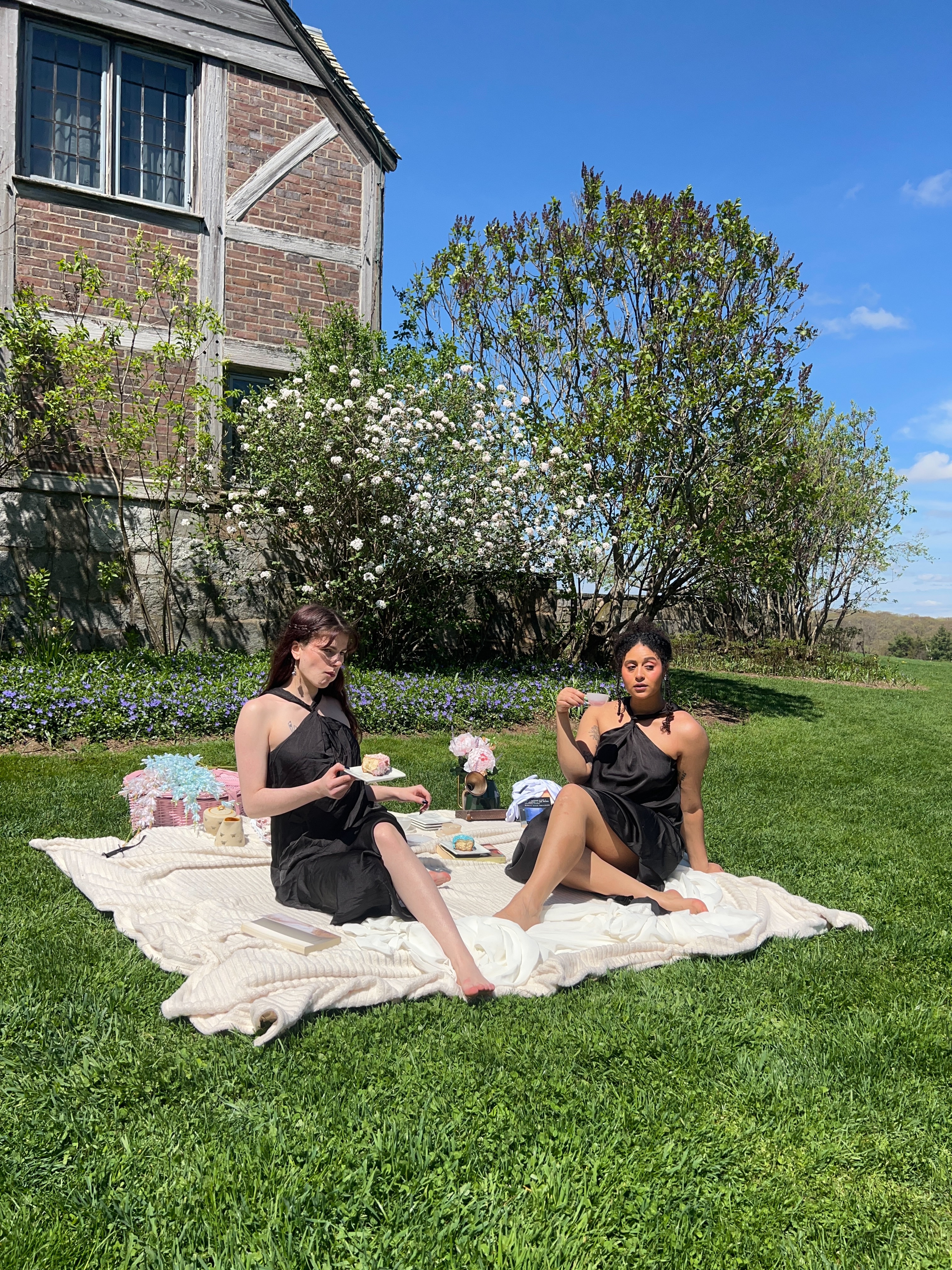
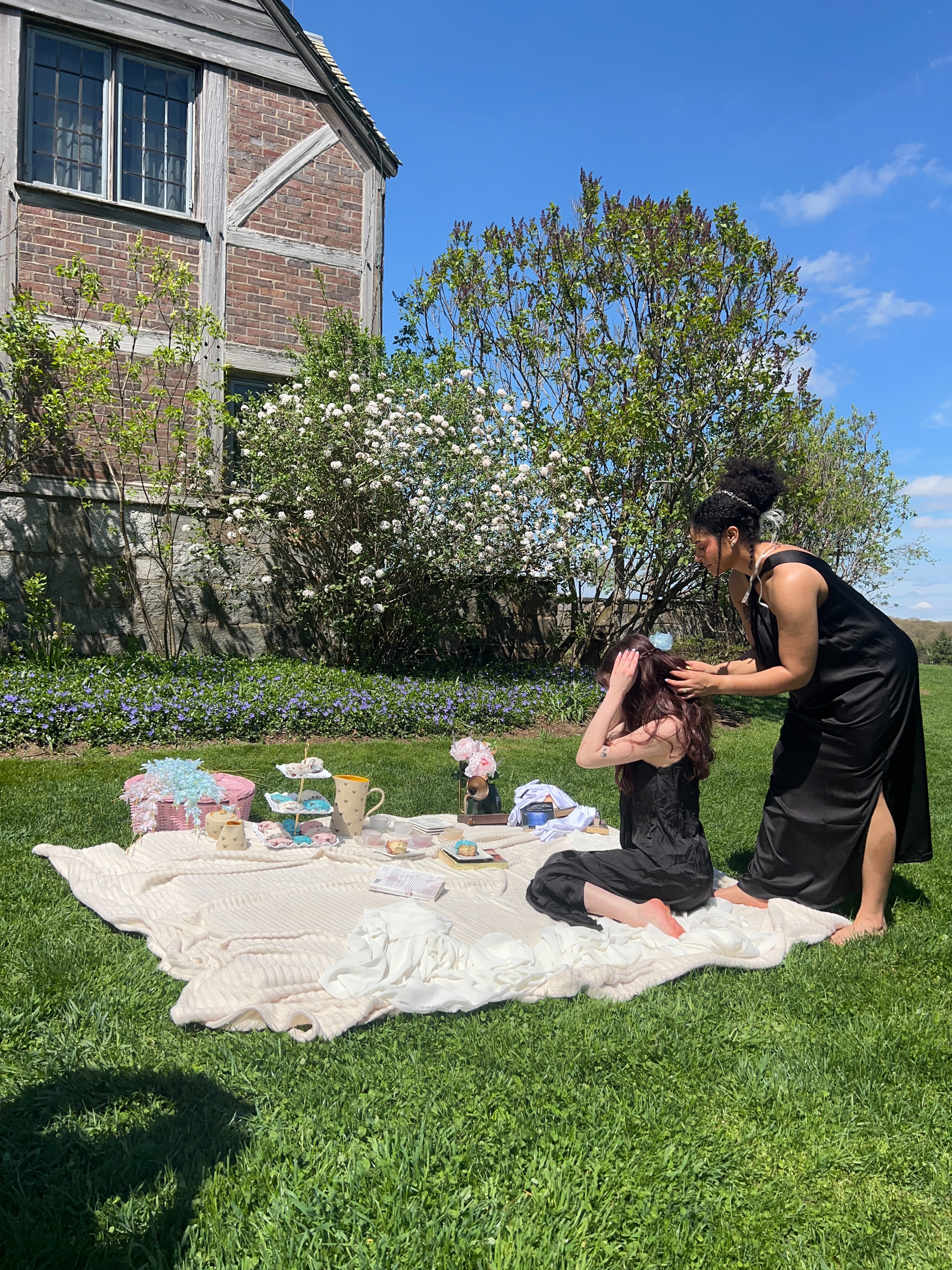
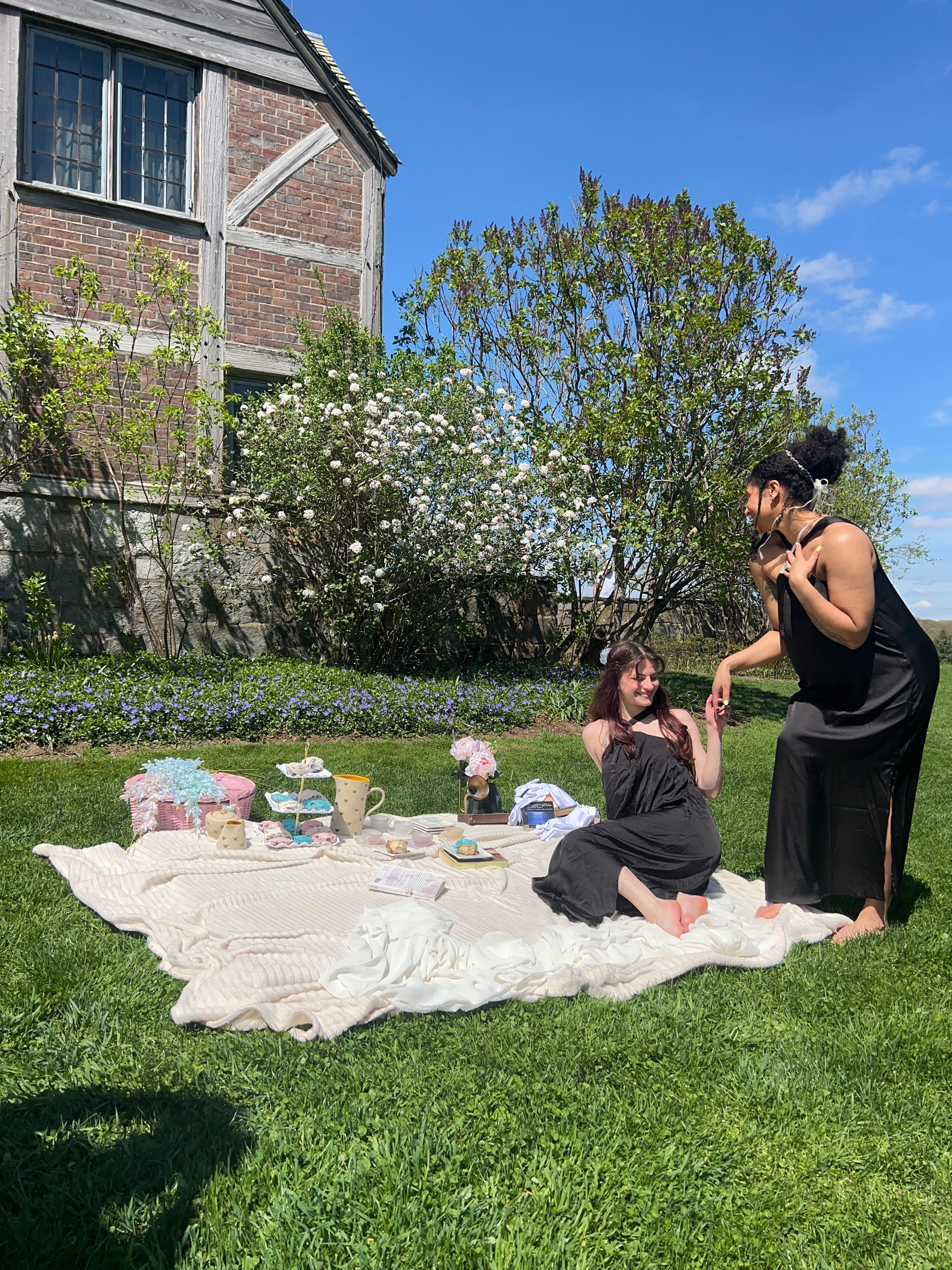
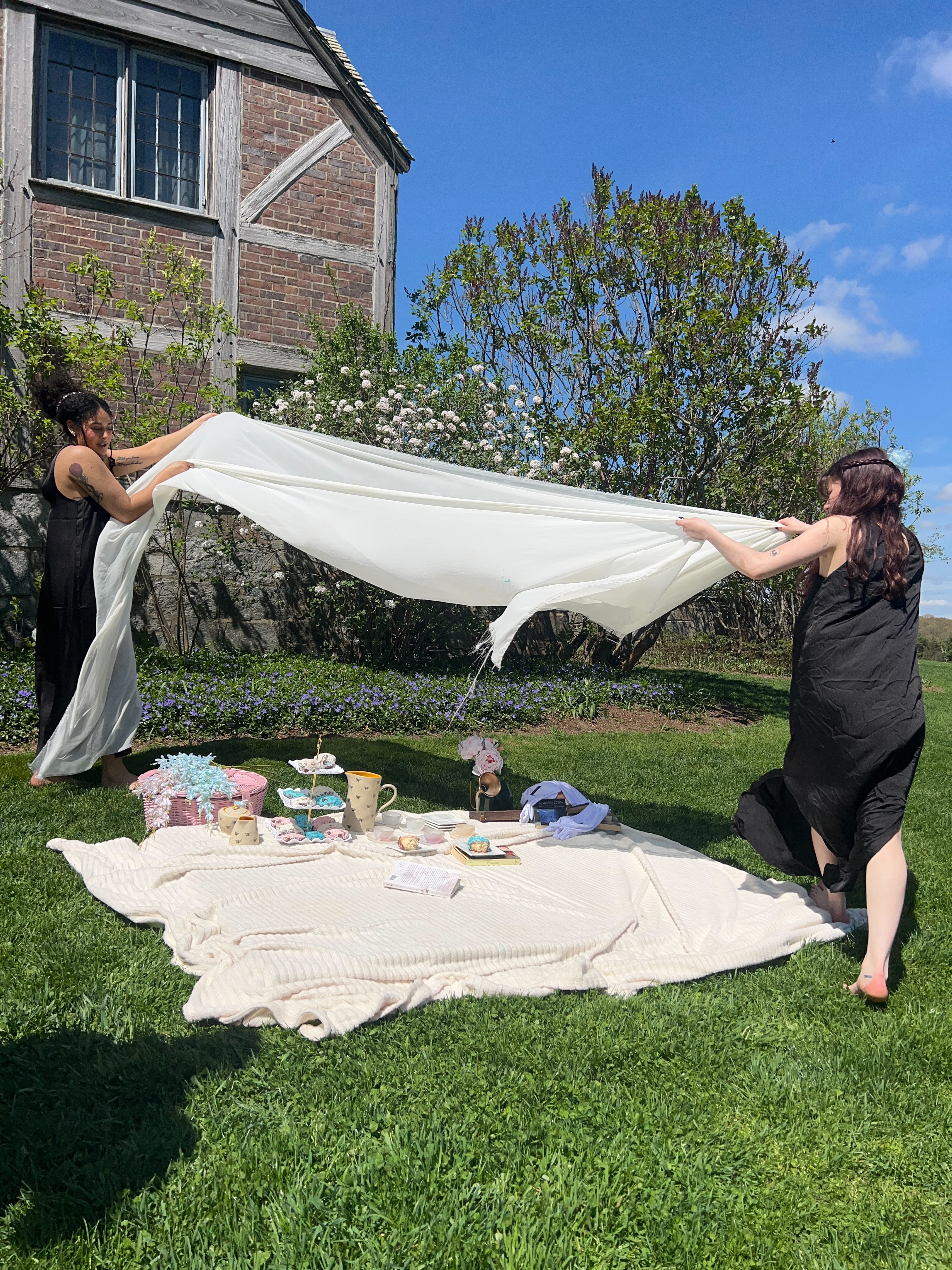
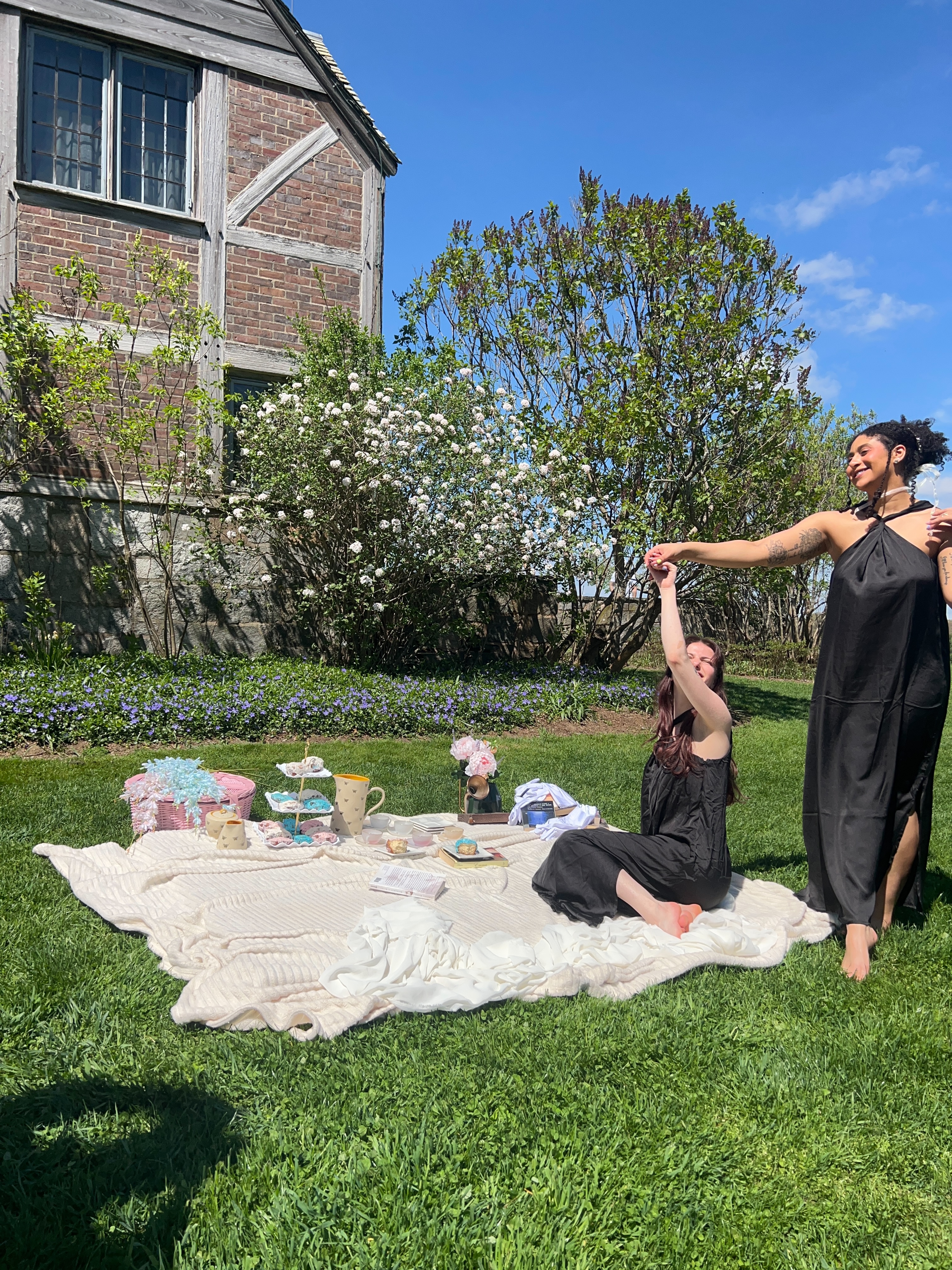
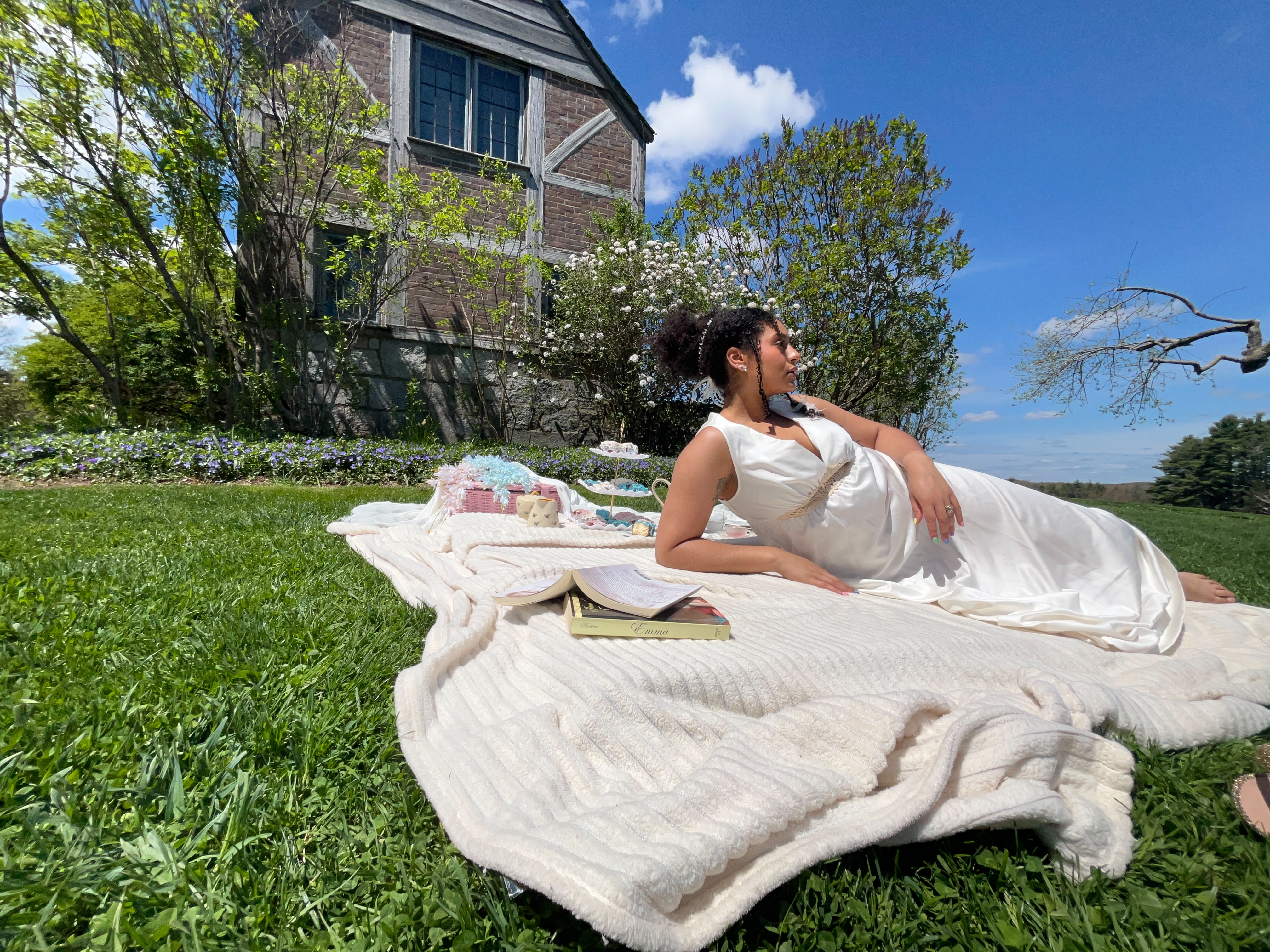
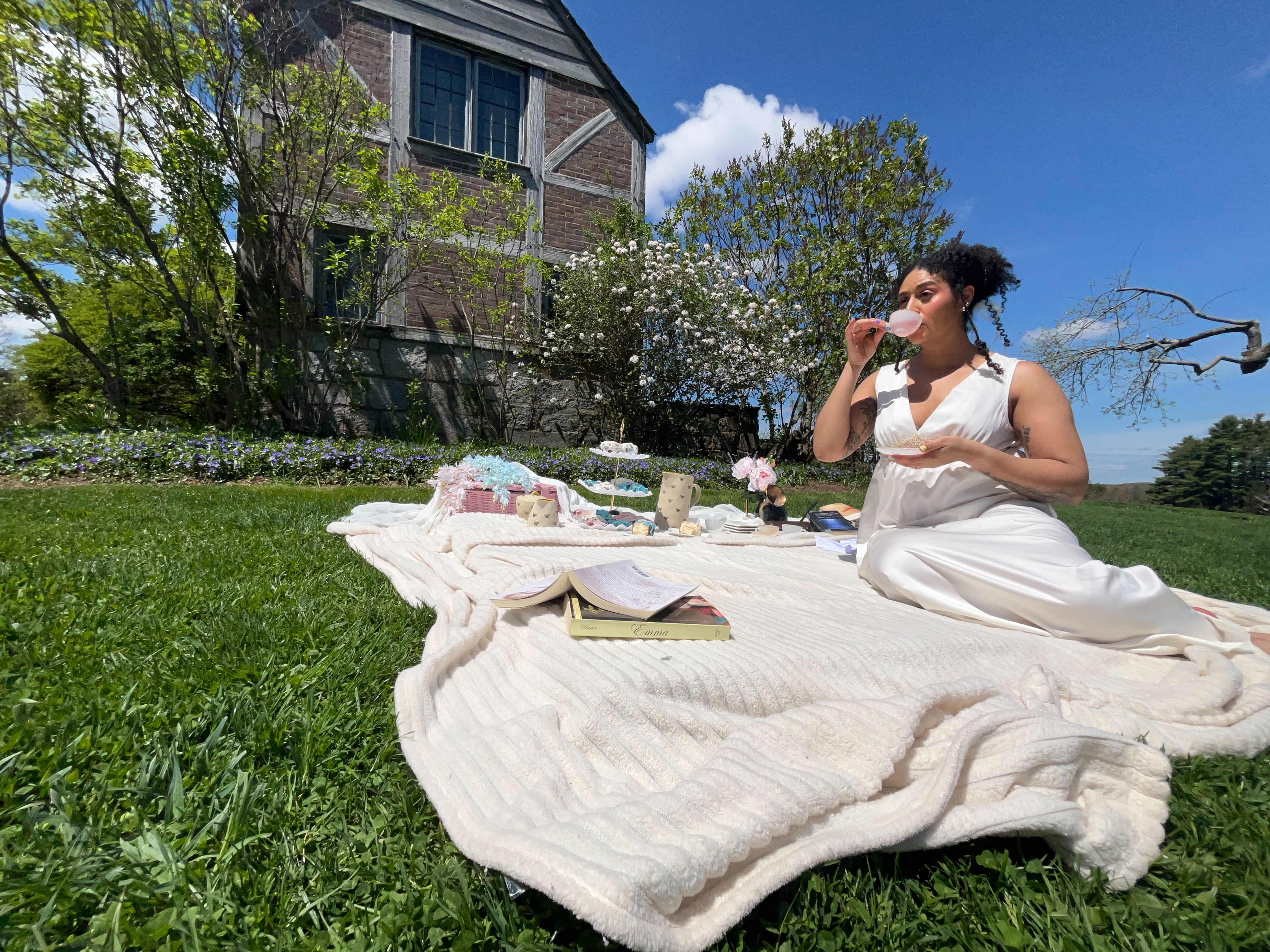
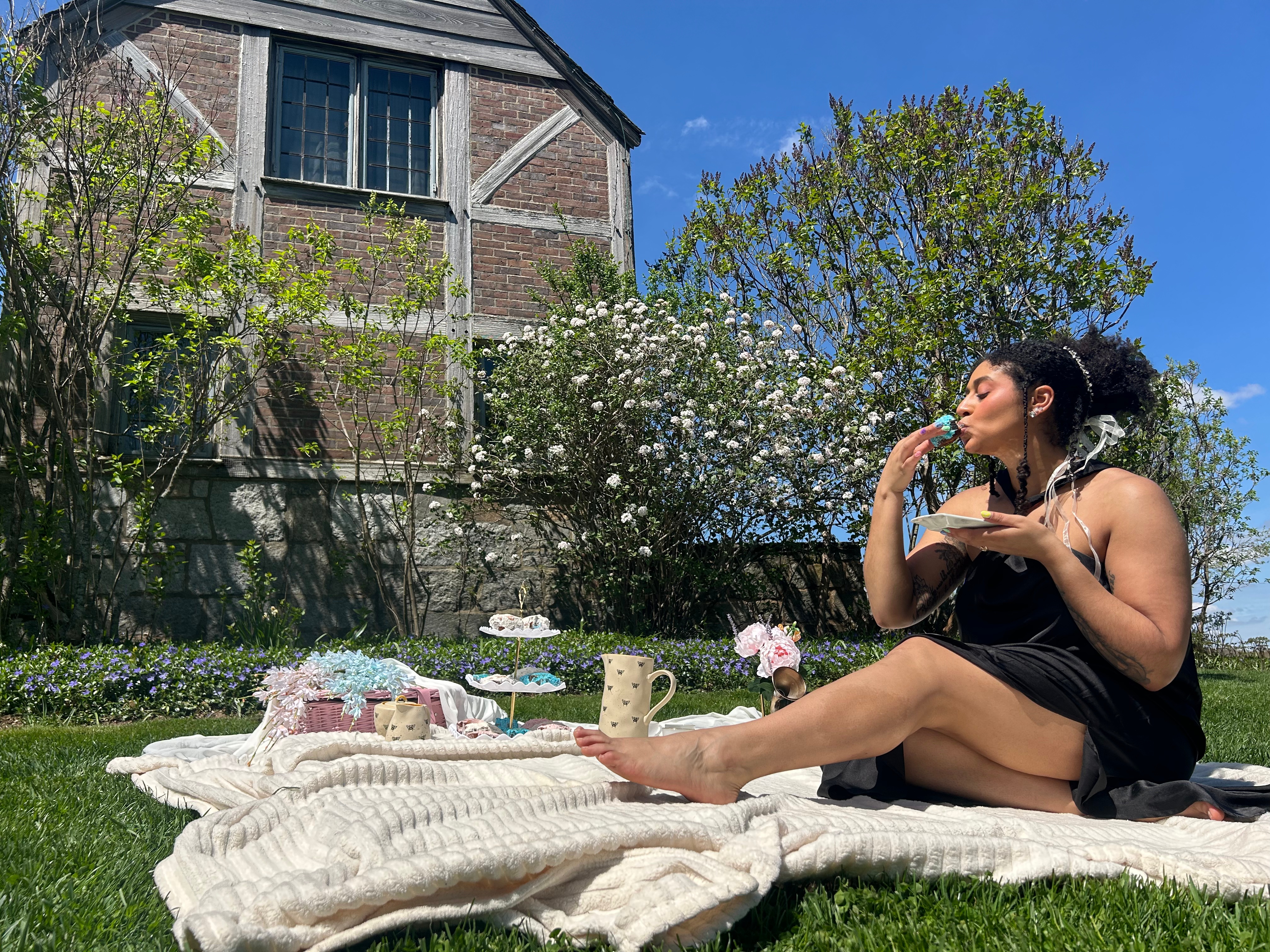
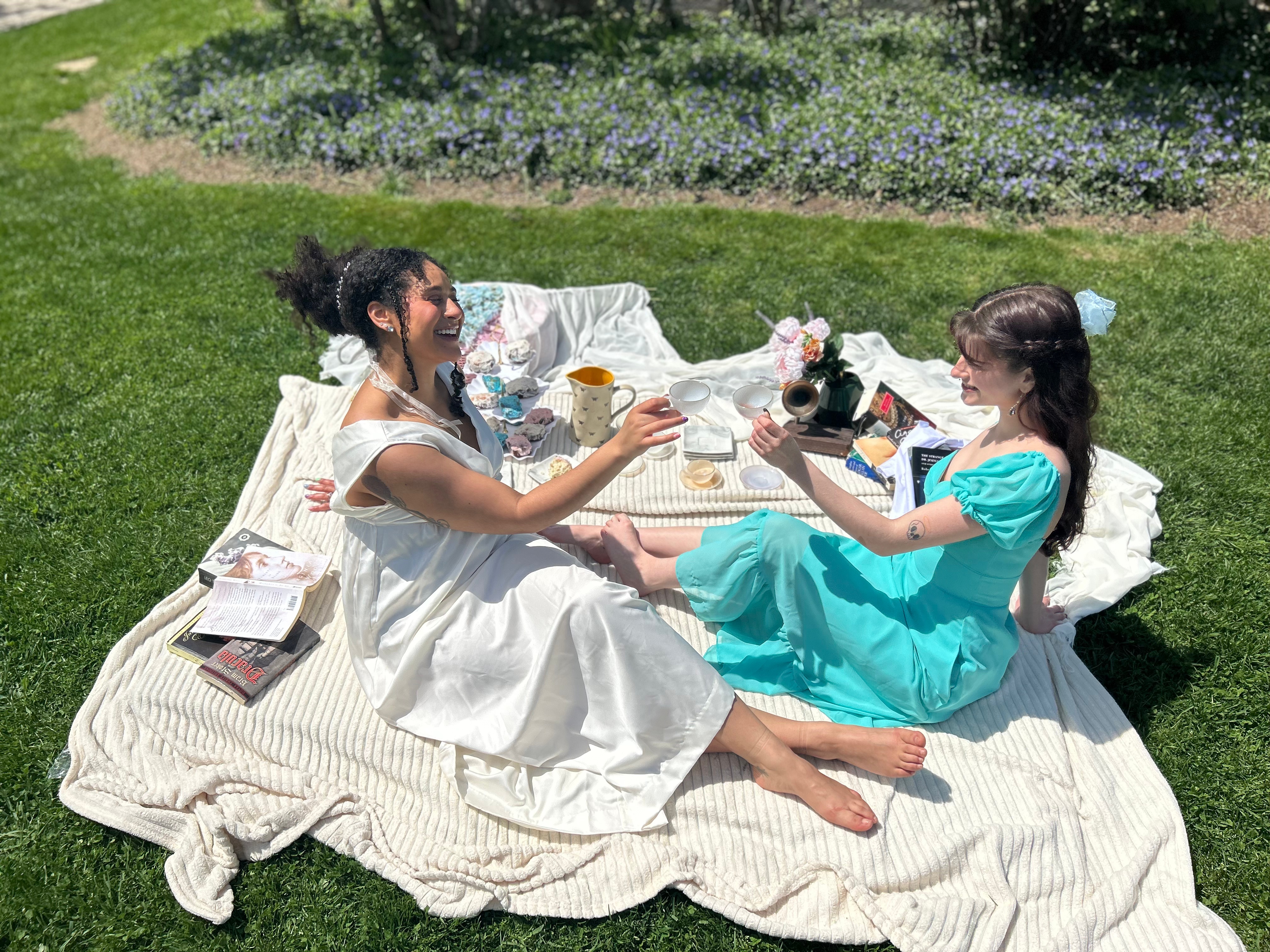
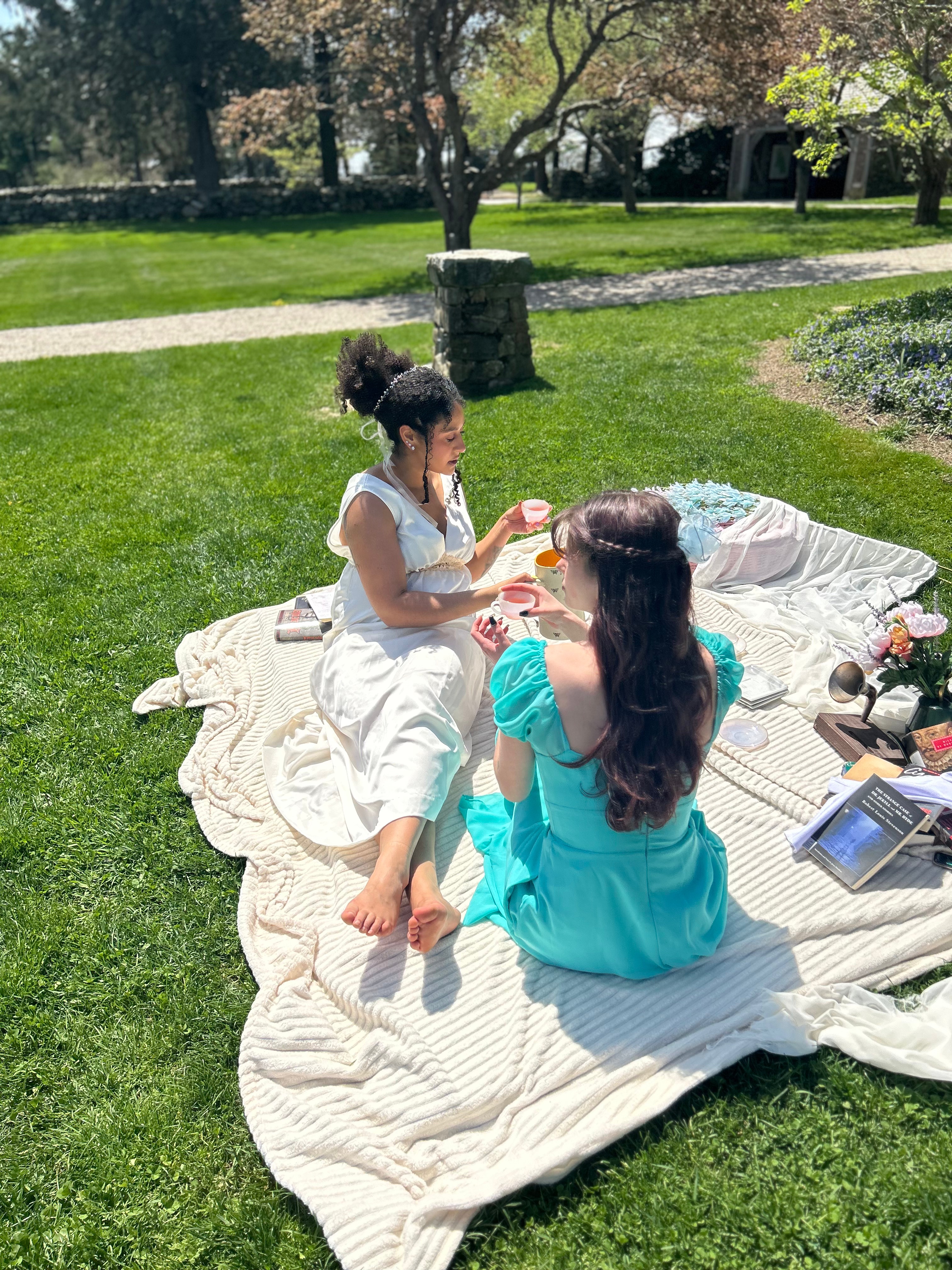
In case you’ve been living under a rock, Season 4 of Bridgerton begins tomorrow! In honor of Season 3, I shared several ways to incorporate Regency Era fashion into your everyday life – complete with photos from the most adorable photo shoot I did with one of my sisters at the iconic Topsmeade State Forest in Litchfield, CT!
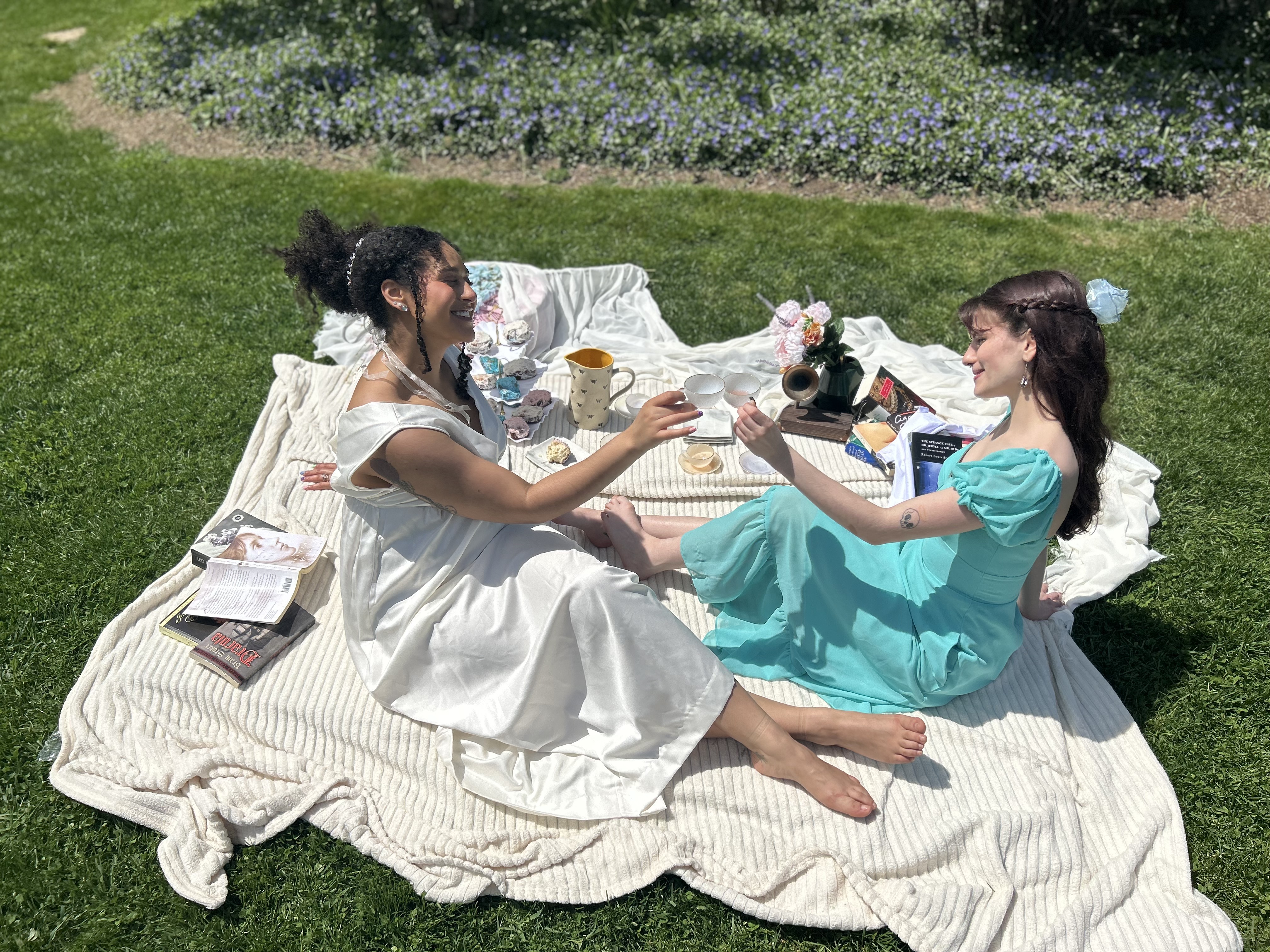
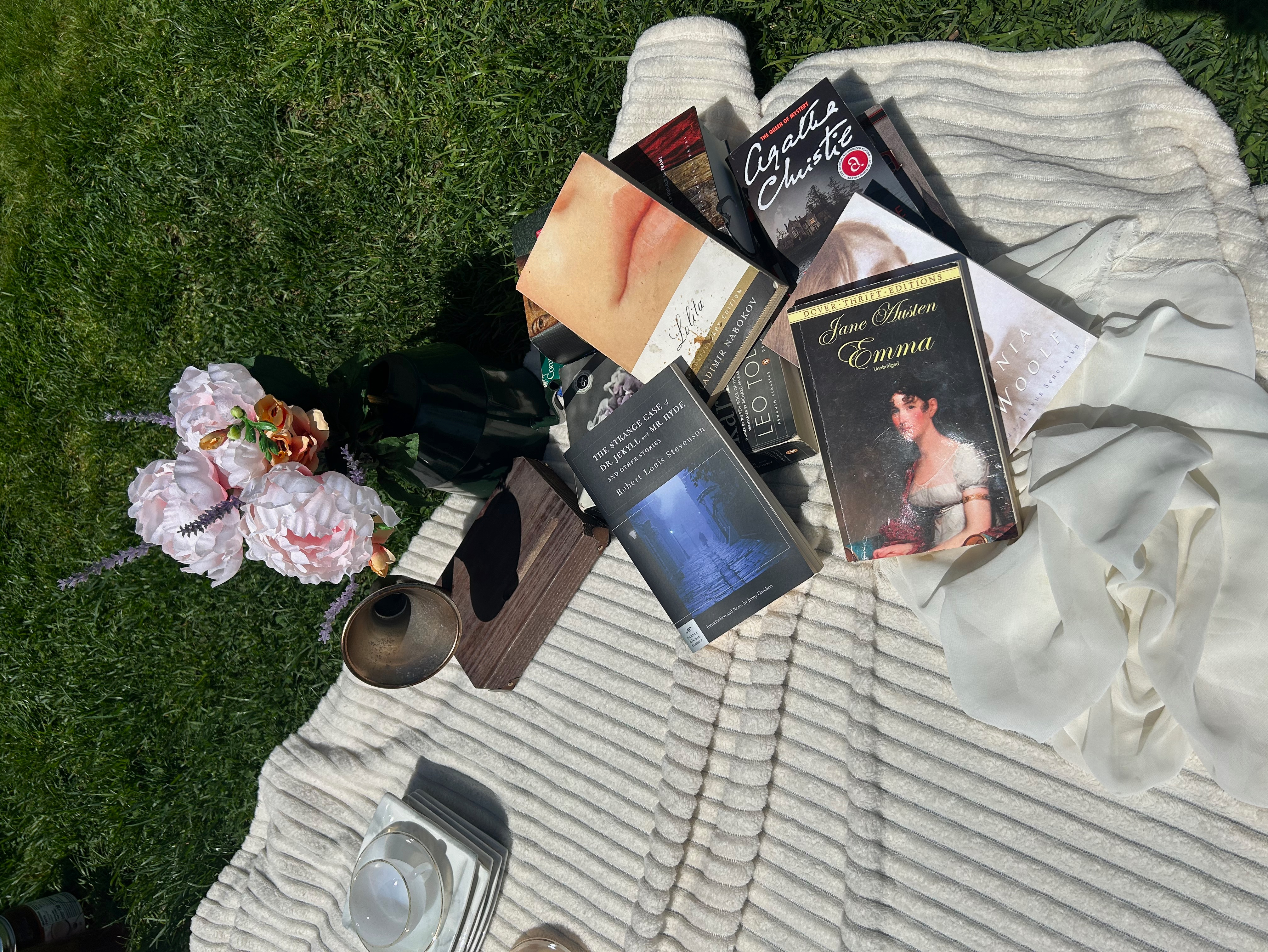

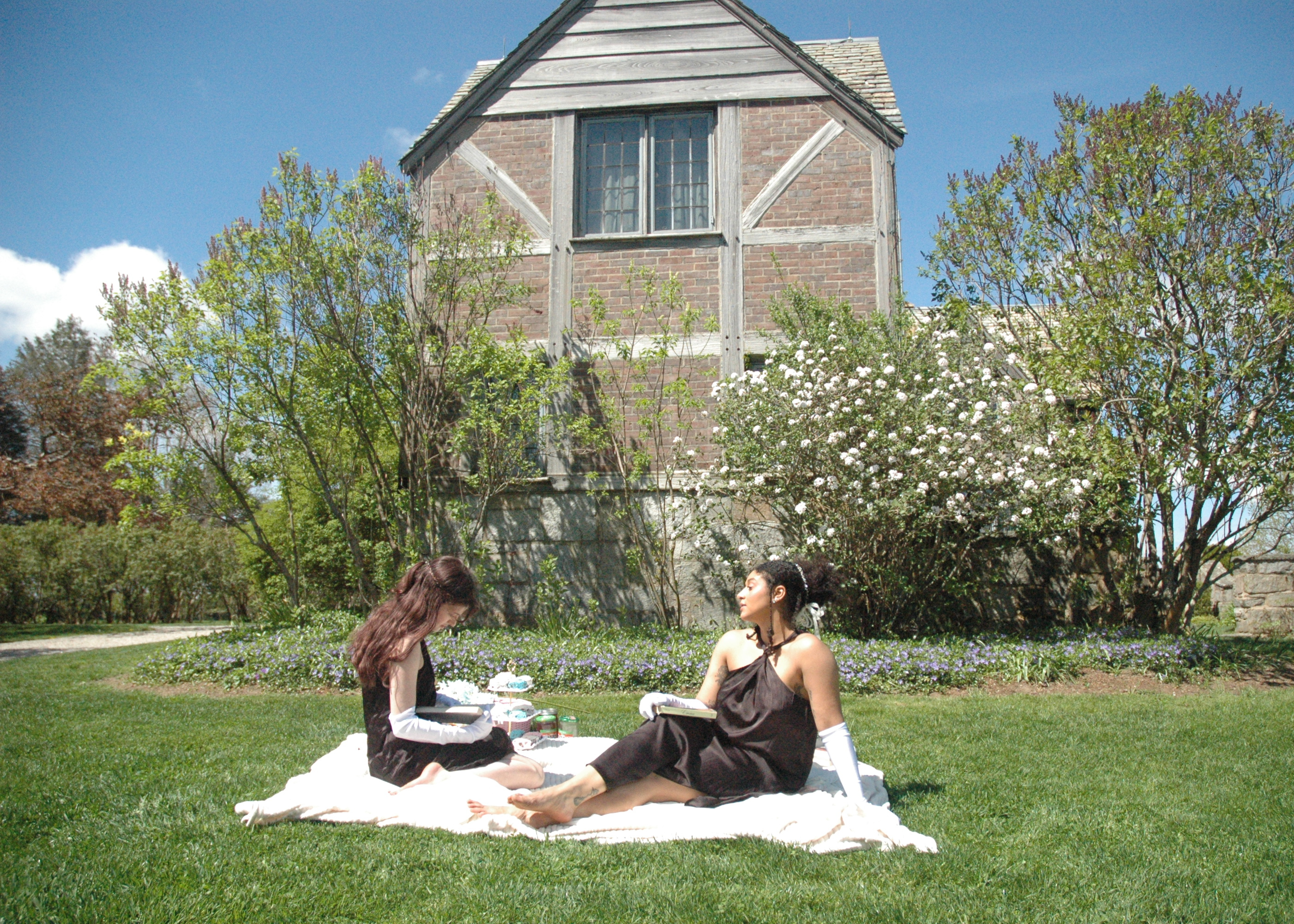
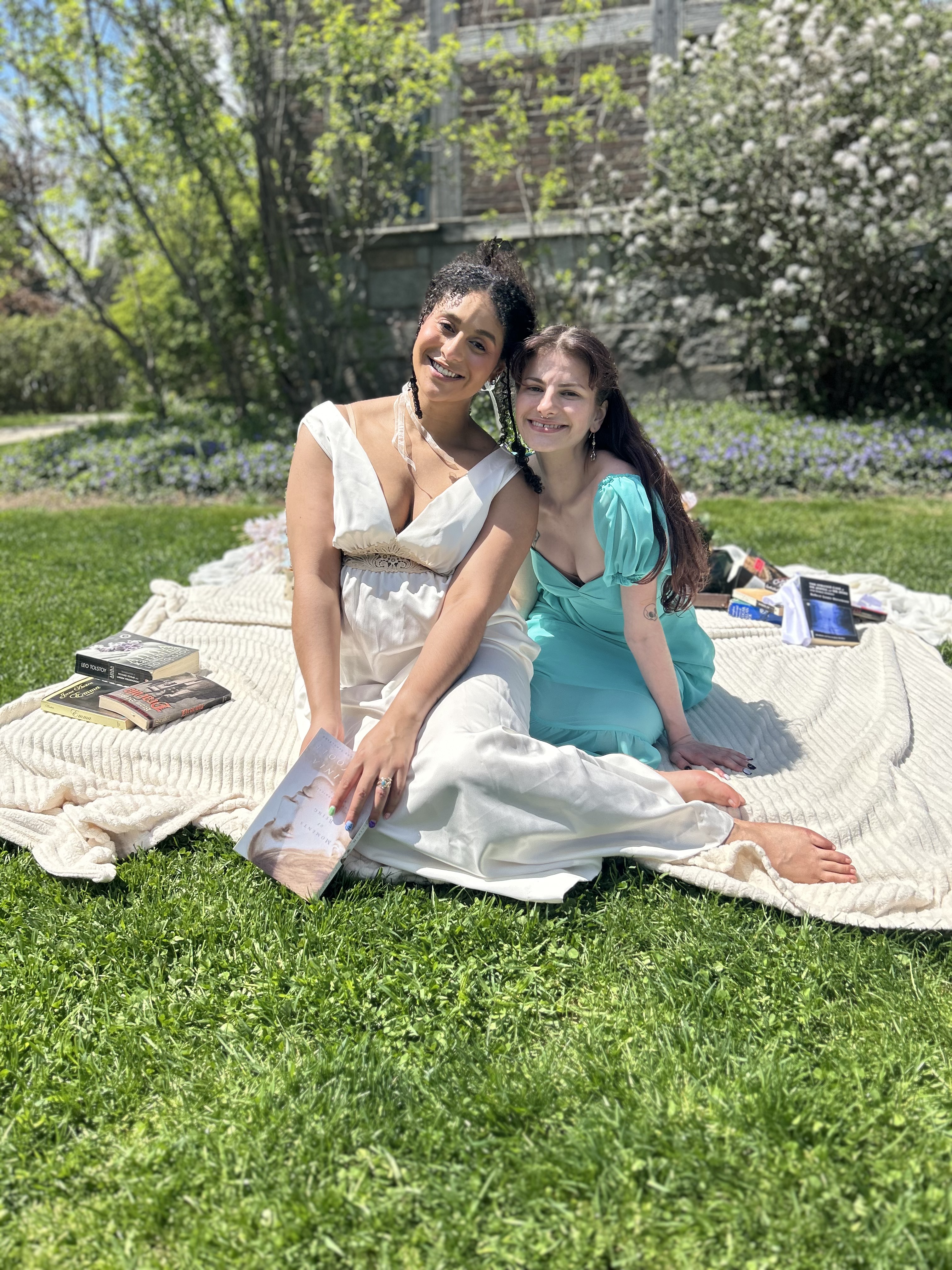
And while I’ll be spending the rest of this week bingeing the entire show, I know that Bridgerton and the Regency Era aesthetic isn’t for everyone. So today I’m walking you through international fashion eras, the classic literature that takes place within them, and how to incorporate those styles into your everyday life!
A Brief History of Fashion Eras
When I first began researching the topic of “fashion eras” there were several time periods that kept coming up: Regency, Victorian, and Edwardian. Some creative rewording widened the search results to include the Renaissance Era and the Flappers of the 1920s. But as you might have noticed, all of these eras have a distinctive European lineage.
Personally, I find it detrimental to limit your world view so I’ve compiled a list of notable fashion eras, organized by their continent of origin. Please understand that this list is limited to the information I was able to find, so it is no way a complete history – this is simply a starting point!
Notable Western Fashion Eras
Let’s break down the most notable fashion eras of the Western world, in chronological order:
- The Renaissance spanned from the 14th to the 17th centuries and is marked by a desire to opulence and luxury textiles, which were used as status symbols.
- The Baroque period occurred during the 1600s, and is known for ornate clothing designed to be structured and to give a grand appearance.
- The Rococo/Georgian took place during the 18th century, specifically spanning from about 1714 to 1830. Similar to the artwork of that time, the fashion is marked by grandiose and formal clothing, such as the use of corsets and panier hoops.
- The Regency Era (so called because Britain was led by the Prince Regent – the story covered in the Bridgerton spinoff, Queen Charlotte) spanned from 1800 to 1820. Much like the fashion from the show, you can expect classical-inspired and simpler silhouettes than earlier time periods. This is also the time period that popularized the empire waist style!
- The transition into the Victorian Era (1837-1900) is almost in opposition to the fashions of Regency. We see a rise in high necklines and corsets, which reflected a move towards structure and propriety, seen in the morality & industrialization of the time period.
- Things started to loosen up in the Edwardian Era (1900-1910) and the popularity of natural silhouettes began to rise.
- Once we enter the 1920s, the United States’ Flapper Era begins to pull focus. Heavily influenced by the Art Deco movement of the time period, flapper style was marked by looser fits and super short hemlines.
- The Hollywood Glamour of the 1930s gained popularity due to the movie stars of the time. These women were the epitome of sophistication and elegance, giving the relief of escapism when the world needed it most.
- Again, we notice a global influence during the 1940s as most of the world is involved in WWII. This was a moment for practicality, but utility and innovation, as new silhouettes such as the bikini emerged.
- Post-war, the 1950s saw a return to femininity with designs such as Dior’s “New Look” – known for defined waists and full skirts.
- The 1960s have been called “Youthquake” or “Rebellion”, and boasted miniskirts, bold colors, and the popularity of “youth culture” (think the British Invasion era).
- I think most people are aware of the impact of the 1970s and “Hippie Culture” (known for Bohemian vibes and flare pants), but we can’t forget about the impact of “Disco” which gave us two of my personal favorites: glam-rock and platform shoes.
- The 1980s was all about “Power Dressing”: big padded shoulders, bold colors, and individual expression were paramount.
- Moving into my personal favorite, the 1990s: this is the rise of minimalism & grunge, opting for a less-is-more aesthetic or even the anti-fashion world of grunge (the history of which I briefly explained in “The Secret Weapon in Every Glam Grunge Wardrobe”!).
- Since the turn of the 21st century there have been several influences that have nebulous boundaries: the rise of fast fashion and technology, the influence of social media and influence culture (sorry, not sorry guys), athleisure and comfort, and sustainability. We are currently in a 2000s revival period, marked by low rise jeans, baby doll tees, and velour tracksuits. I’ll be honest, these tend to be looks I stray away from, as I was a child when they were first popular and I wasn’t a fan of them then!
Notable Asian Fashion Eras
And now, the most notable Asian fashion eras, in chronological order:
- The Tang Dynasty (618-907, China) was known for the use of vibrant colors and luxurious fabrics, used to create the somewhat bold “open-necked” fashions of the time.
- The move into the Song Dynasty (960-1279, China) was marked by a shift towards simplicity, refinement, and elegance. The designs of this time period featured slimmer silhouettes, high collars, and intricate, subtle embroidery.
- Japan’s Meiji Period (1868-1912) saw the introduction of Western clothing for items such as uniforms and formal wear. Parallel to the Western influence, the traditional kimono was still being worn which created a distinct mixing of styles.
- Shanghai’s Qipao Era of the 1920s and 1930s saw the qipao (or cheongsam, the iconic, form fitting Chinese dress) become a symbol of modern Chinese women, blending Western concepts into everyday fashion.
- Happening simultaneously, Korea’s “Modern Girl” era (1920s-1940s) saw fashions that were influenced by international – especially Japanese – fashion. At this time Korean women began wearing their hair shorter, sported Western-style accessories, and wore modern dresses that were often shorter.
- The Japanese Showa Era (1926-1989) saw a rapid adoption of Western fashion as well as the rise of Japanese designers, leading to their global influence by the late 20th century.
- As we move into the 1990s, the global fashion community becomes aware of “Asian Chic”: where western designers and consumers are heavily influenced by eastern fashions such as high-collar tops, silk fabrics, and reimagined kimono-style garments.
Notable African Fashion Eras
Continuing with the most notable African fashion eras, in chronological order:
- The Pre-Colonial/Traditional Era, spanning from the 17th to the 19th century, was defined by hand-woven textiles and regional attire such as the Ghanaian Kente cloth (brightly striped), the Nigerian Akwete (intricate and geometric), and the North African Berber garments like the Burnous.
- The 1970s saw a resurgence in celebrating African heritage, where garments like the Dashiki became a symbol of pride and a fashion statement.
- The 1980s saw the continued widespread use of the Dashiki in West Africa, as it transitioned from a traditional garment to a staple of celebratory and casual wear.
- The influence of hip-hop culture in the 1990s cannot be overstated. This is, essentially, the birth of streetwear – characterized by baggy styles that served as a statement of identity and empowerment.
- Moving into the 21st century, modern African fashion can be described as a blend of modern and traditional, featuring designers who redefine traditional fabrics like Ankara for the global market.
- And like much of the world, the Contemporary Era (2010s to the present) has seen an increased focus on sustainability, ethical fashion, and a strong bold aesthetic that merges traditional textiles with contemporary, urban designs.
- Commonly associated traditional styles include:
- Dashiki – a loose-fitting, patterned tunic
- Agbada – a large flowing robe, worn mostly by men
- Kaftan or Boubou – a traditional garment, often flowing and elegant
- Ankara – a vibrant cotton fabric with, often, wax-resistant print designs
Notable South American Fashion Eras
And lastly, the most notable South American fashion eras, in chronological order:
- The 1930s and 1940s featured bright, topical and at times, stereotypical Latin aesthetics, due to the US “Good Neighbor Policy” and films like “Down Argentine Way”. These stereotypes included items such as exotic turbans, massive bangles in red, yellow, green, and ruffles.
- During the 19th to mid-20th Century, the popularity of regional & cultural staples increased. Traditional garments such as boleros (tightly cropped jackets originally for women, forming the basis of many traditional structured dresses); gaucho pants (wide leg, comfortable trousers worn by Argentine cowboys for protection); and Huipiles & Polleras (traditional garments such as pollera – a long, voluminous ruffled skirt – reflecting indigenous & colonial heritage), became iconic to the region.
- In a similar vein, the 1970s saw an influx of Chicano style. This time period is marked by a mix of Mexican-American indentities & fashion; guayaberas (intricately embroidered shirts), high waisted pants, and large belts.
- As stated above, the 21st Century saw an increased interest in sustainability & ethical fashion, focusing on biodiversity, indigenous craft, and eco-conscious production, with Colombia taking a leading role in eco-fashion & Peru focusing on ethical indigeneity.
- The 1990s saw a rise in urban Influence, reflecting a mix of global hip-hop culture and regional comfort, this era was dominated by oversized clothing such as baggy jeans, oversized t-shirts, and massive jackets.
Let’s Channel Our Fave Characters!
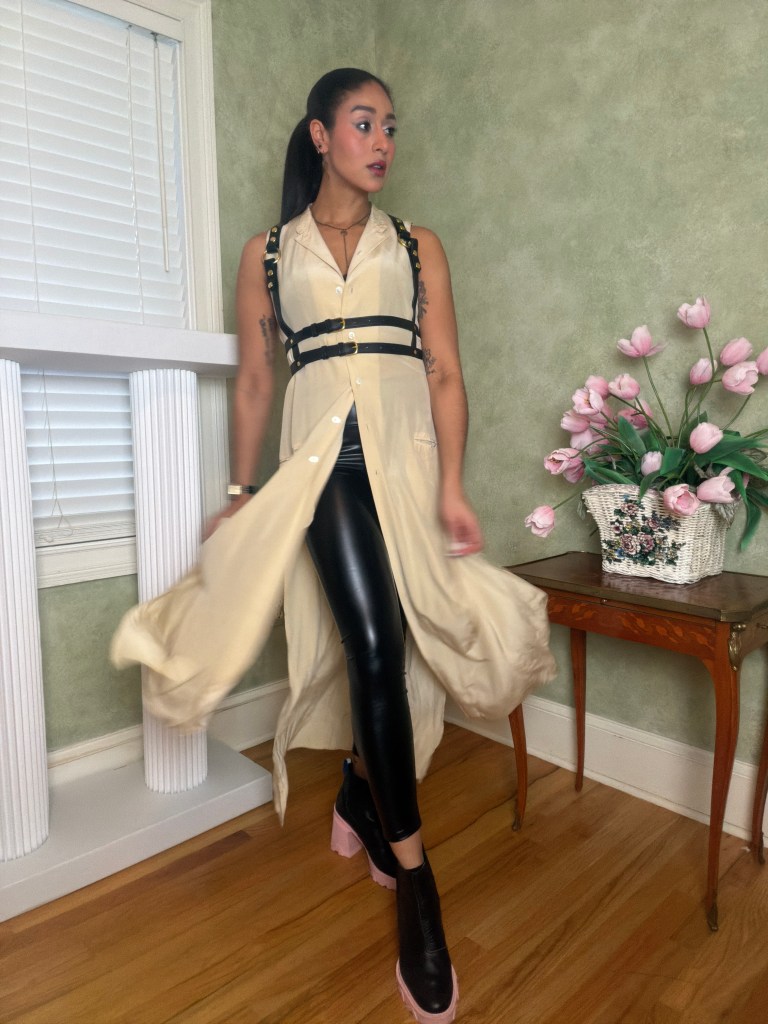
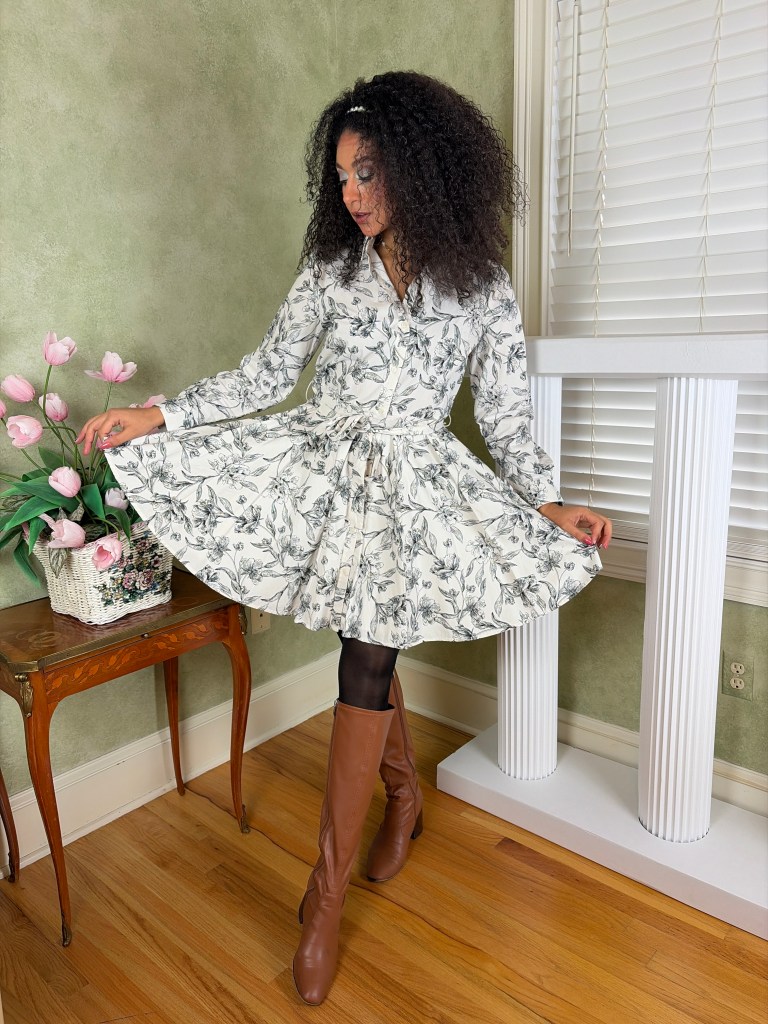
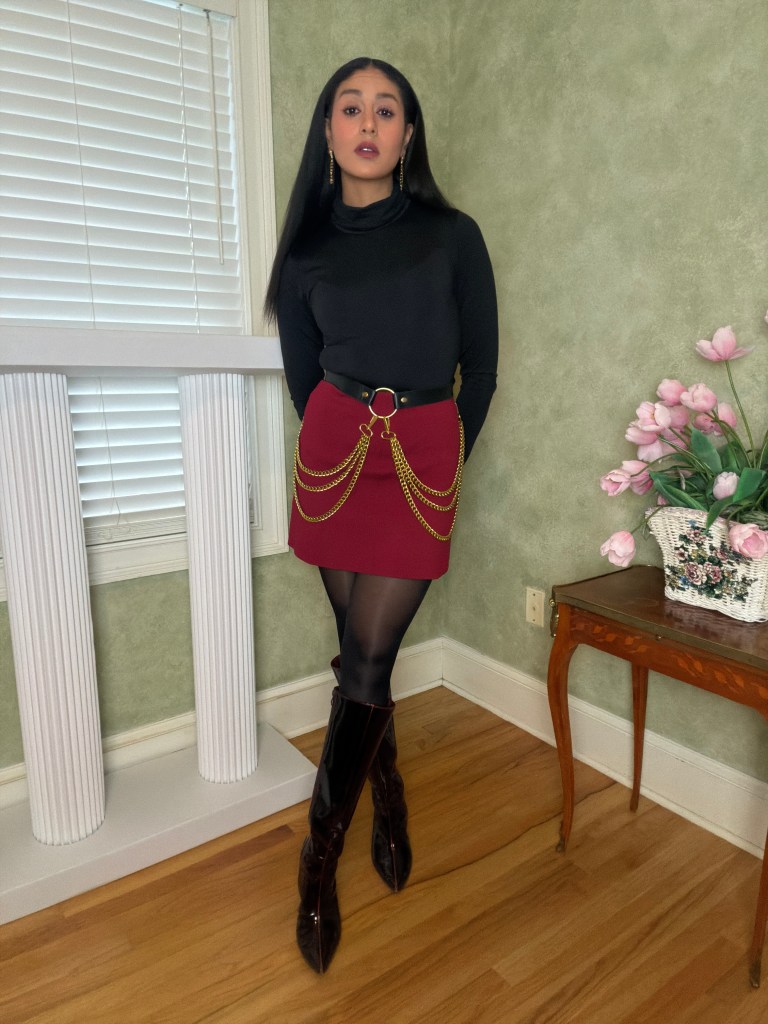
Now that we have a basic understanding of global fashion eras, let’s turn our focus to the page! As a writer and lifelong reader, I have often found that the characters I read about have a huge impact on every aspect of my life. I often take fashion cues from some of my favorite movie and television shows as well, such as Sex and the City’s Carrie Bradshaw or Buffy Summers from Buffy the Vampire Slayer, but how often do we let literature determine what we’ll wear?
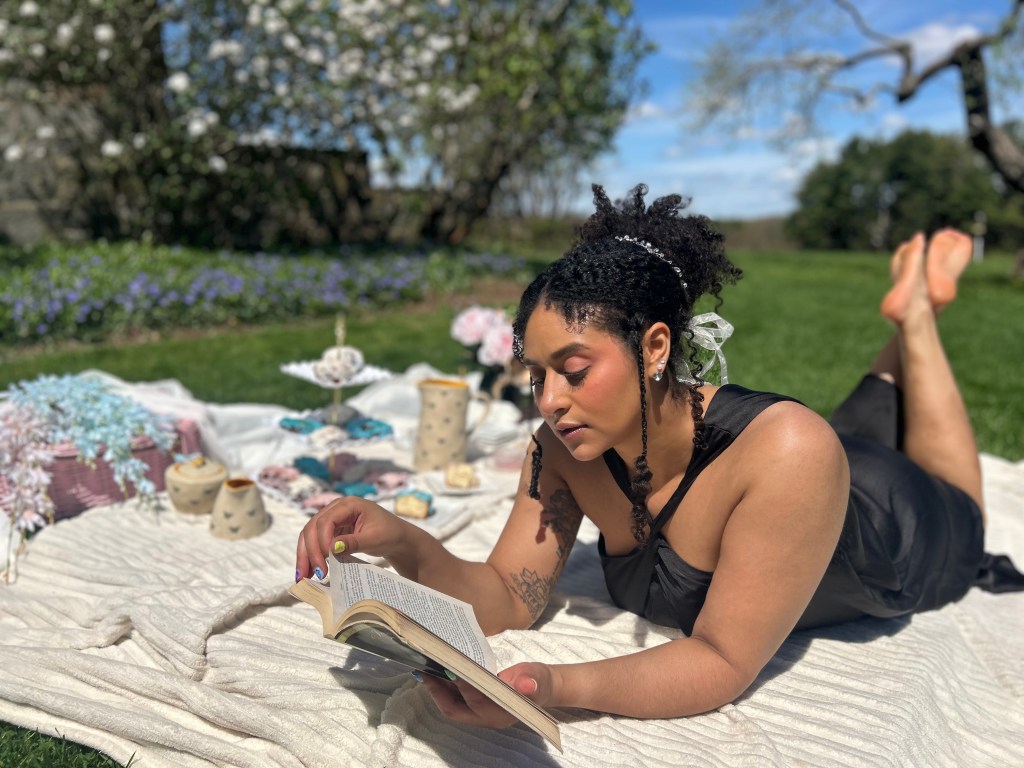
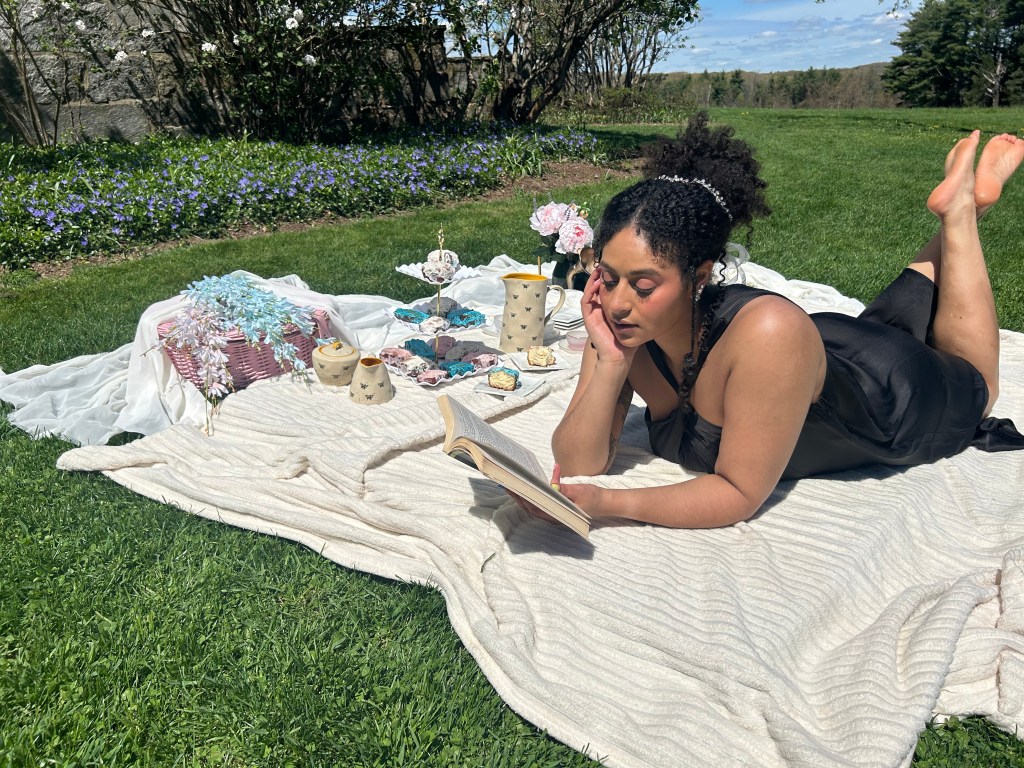
Here I’ve rounded up ten of literature’s best-known classics!
Bridgerton
Set during the British Regency era – and covered in detail in my “How To Dress Like a Bridgerton” article – the time period is best known for the empire waist and more simple silhouettes. This style came back into mainstream fashion during the “clean girl” aesthetic surge of the last few years, which means a lot of these styles can be found easily – think of stores like Francesca’s!
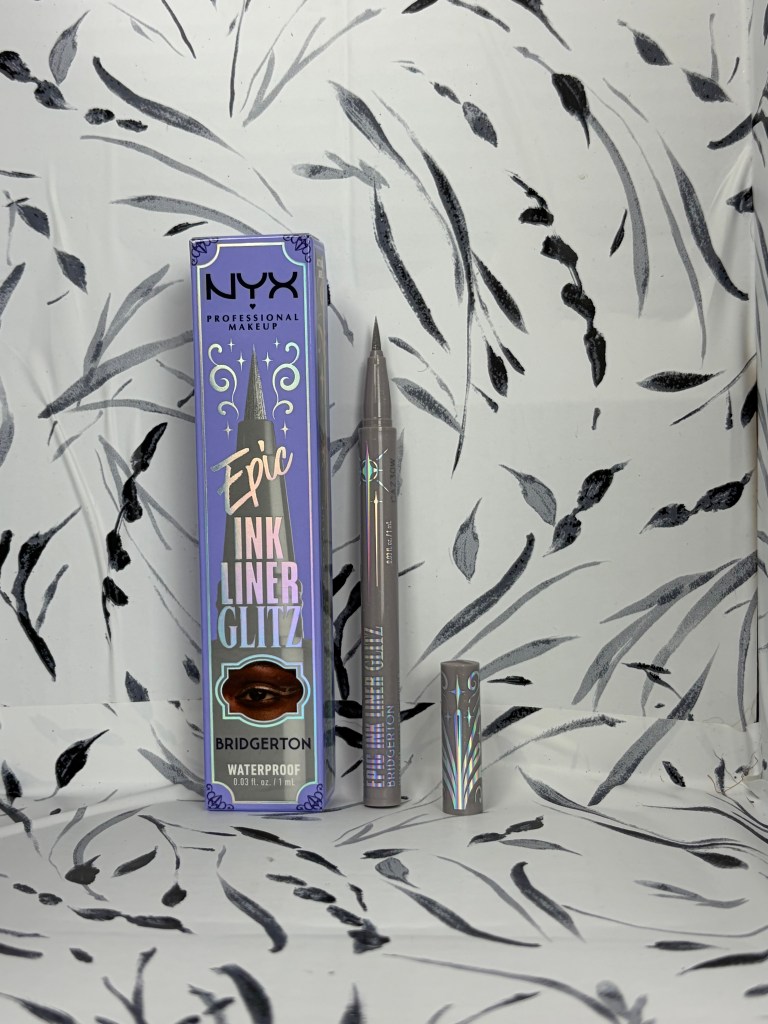
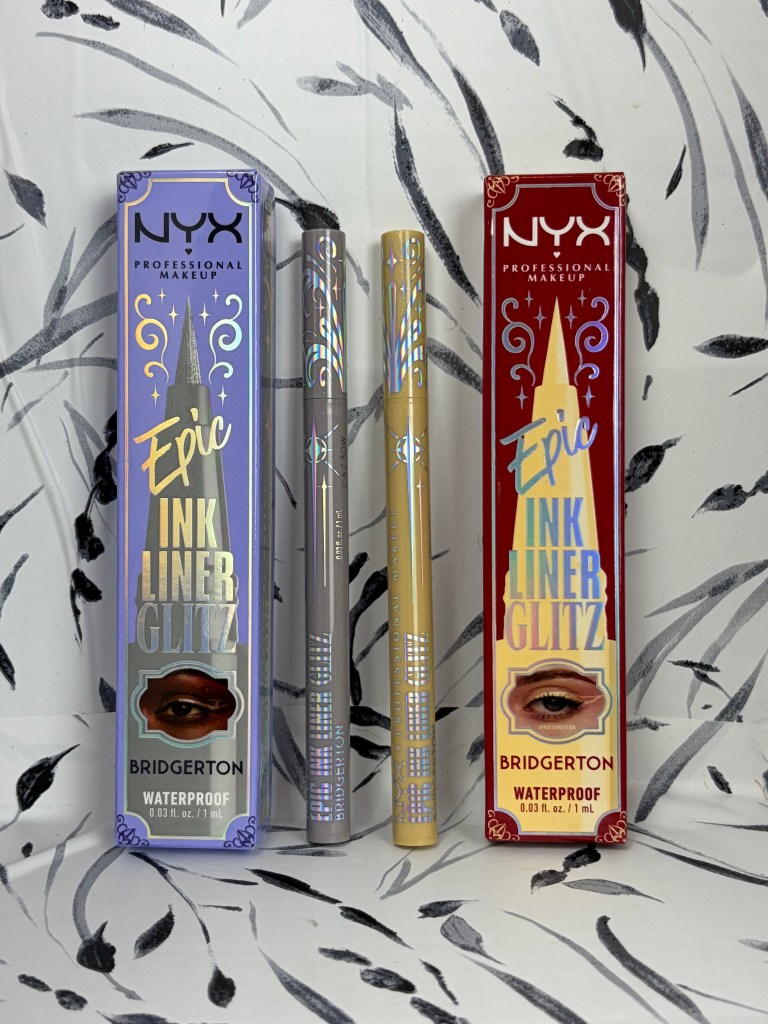
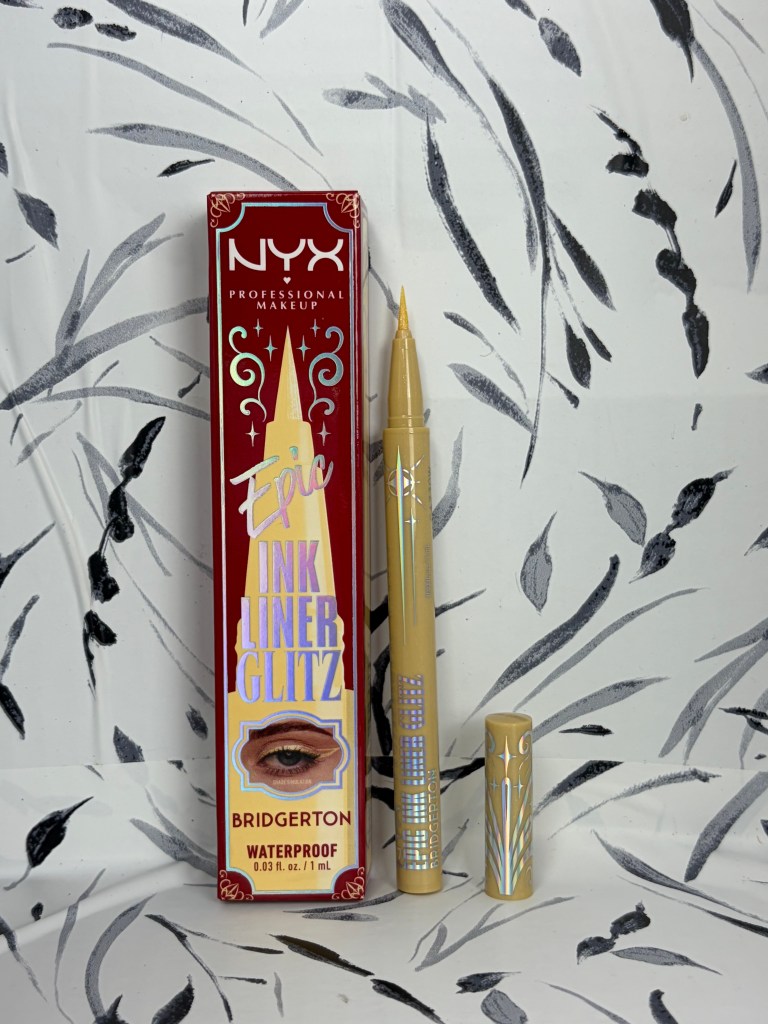
Recently NYX Cosmetics released a Bridegerton makeup collection: including two felt tip liquid eyeliners, a blush palette, and a highlighter palette. After seeing the products at Ulta, I decided to buy both eyeliners – a metallic gold and a metallic silver – and I’m looking forward to testing them!
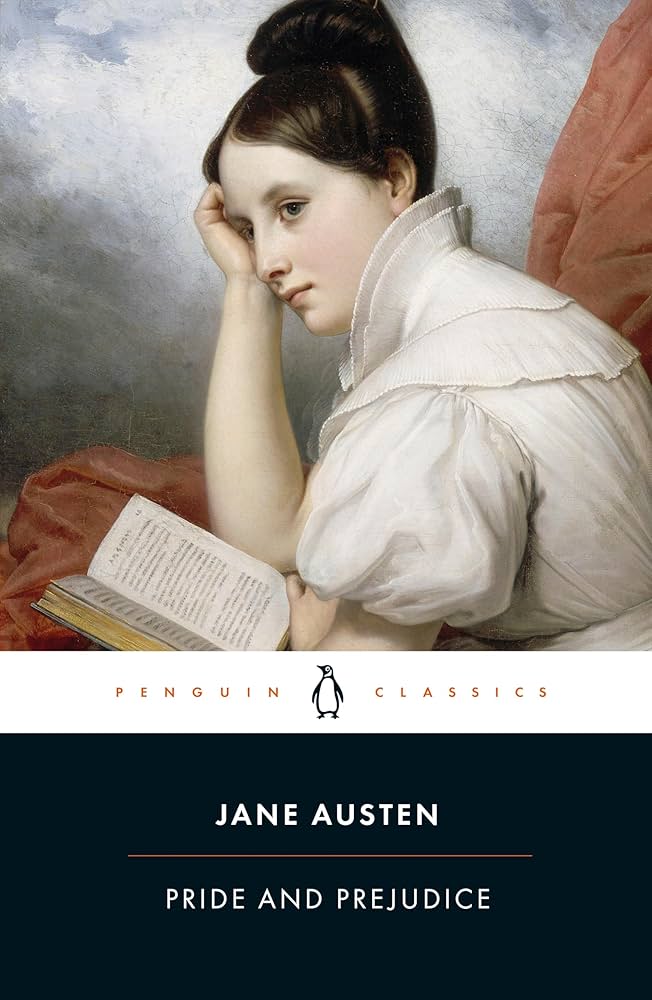
Pride and Prejudice
Set during the British Georgian Era, and more specifically during the Regency period, you’ll find similar silhouettes as the Bridgerton aesthetic. But, if you most relate to Lizzie, you’ll likely prefer a more barebones approach.
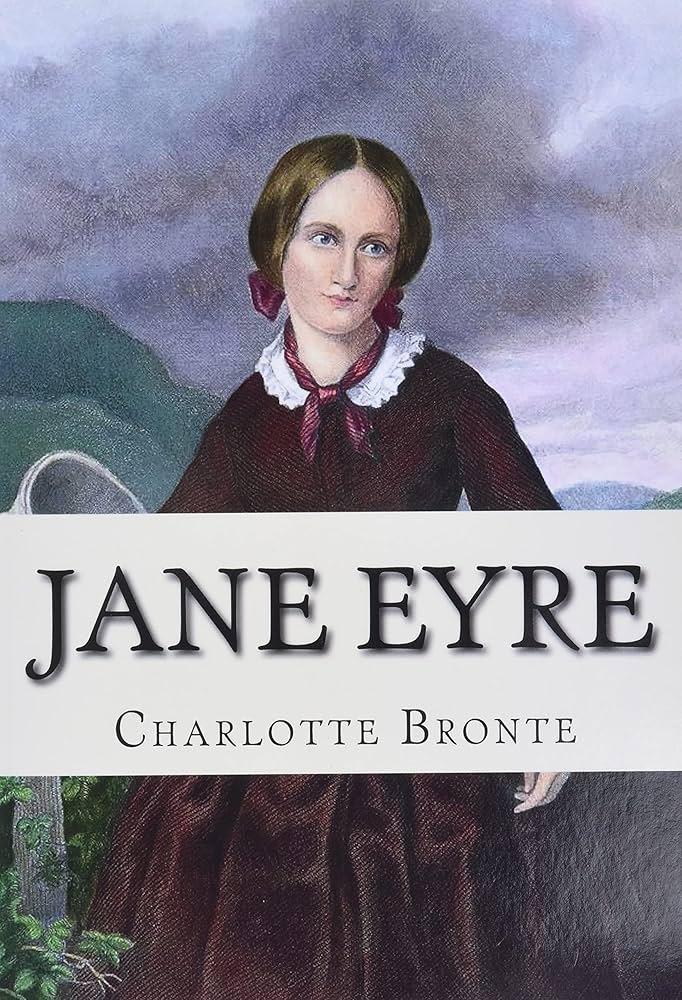
Jane Eyre
While published during the early Victorian era, the novel itself is set during the late Georgian or Regency era. Classic “of the times” fashions are worn by characters such as Blanche Ingram, with our heroine opting for simple clothing that is often described as Quaker-like (likely due to how she grew up – IYKYK). To best channel this time period, take your cues from Blanche and stories like Brigerton or Pride and Prejudice!
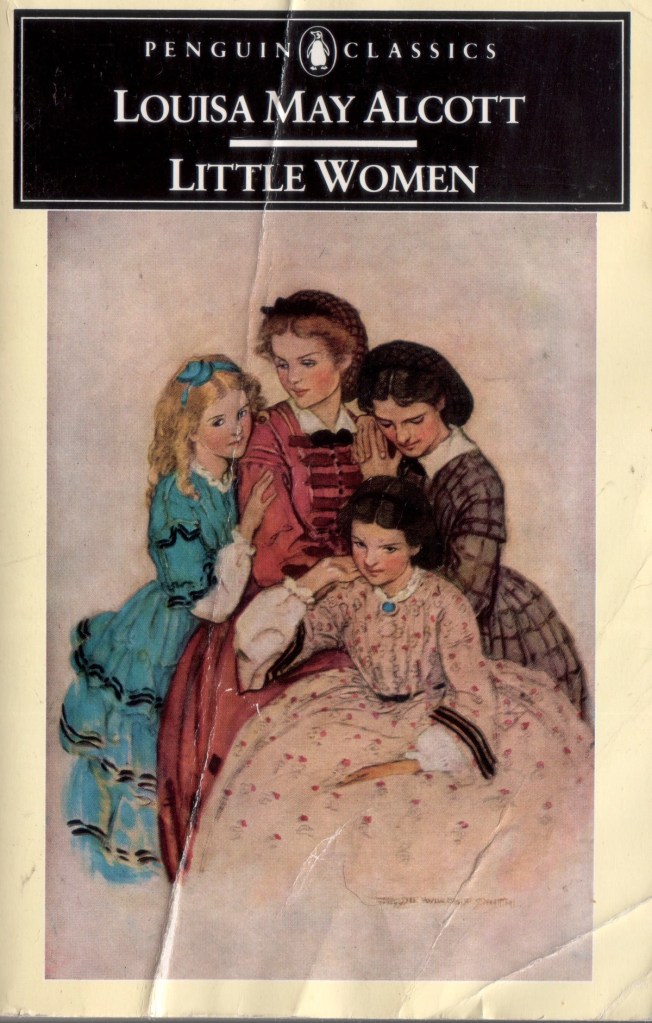
Little Women
This novel is set during the 1860s, which coincides with British Victorian, but takes place in Massachusetts in Northeastern America – which places it strongly in the Reconstruction Era following the American Civil War. There were still strong influences from the Victorian fashion landscape, but clothing of that nature would have only been accessible to people of the upper echelons of society.
Want to channel these iconic sisters? I recommend taking your cues from the 2019 film adaptation by Greta Gerwig! These looks have been coined “prairie chic” and include pieces such as high-necked tiered dresses, smocked waists, voluminous sleeves, lace-up boots, and cozy layers such as quilted jackets or knitted shawls.
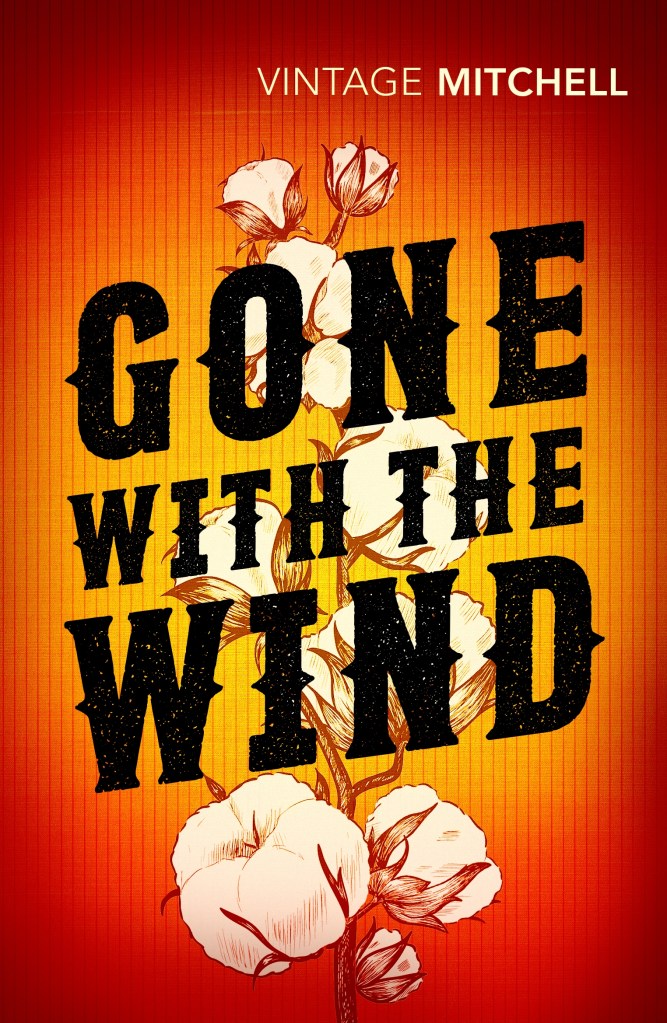
Gone With the Wind
Similarly, Gone with the Wind – one of my favorite books! – takes place in the early 1860s in Atlanta, GA, and leads into the Reconstruction Era. As this story comes from the perspective of the “losing side”, the fashions start with the classic Southern Belle – featuring hoop skirts and matching bonnets, corsets, bustles, and lavish fabrics such as silk and velvet – before reflecting the extreme conditions and poverty of the time.
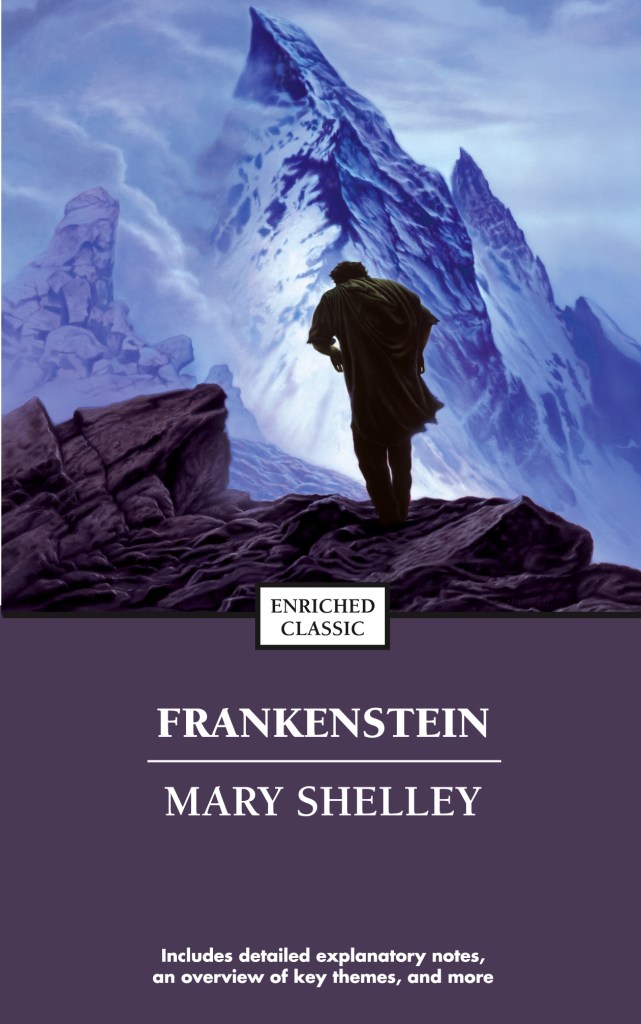
Frankenstein
Though Mary Shelley’s iconic novel was published during the Georgian and Regency time periods, the story itself takes place during the late 1700s and the Age of Enlightenment. This time period is notable for being a transition from ornate and structured garments to the more natural and romantic feel of Regency, with added gothic styles.
Channel the ever-chaotic Victor by opting for tight-fitting trousers paired with a waistcoat and tailored jacket. Channel the tragic Elizabeth in a similar fashion to the Regency Era, but opt for darker and richer hues to incorporate the gothic flare!
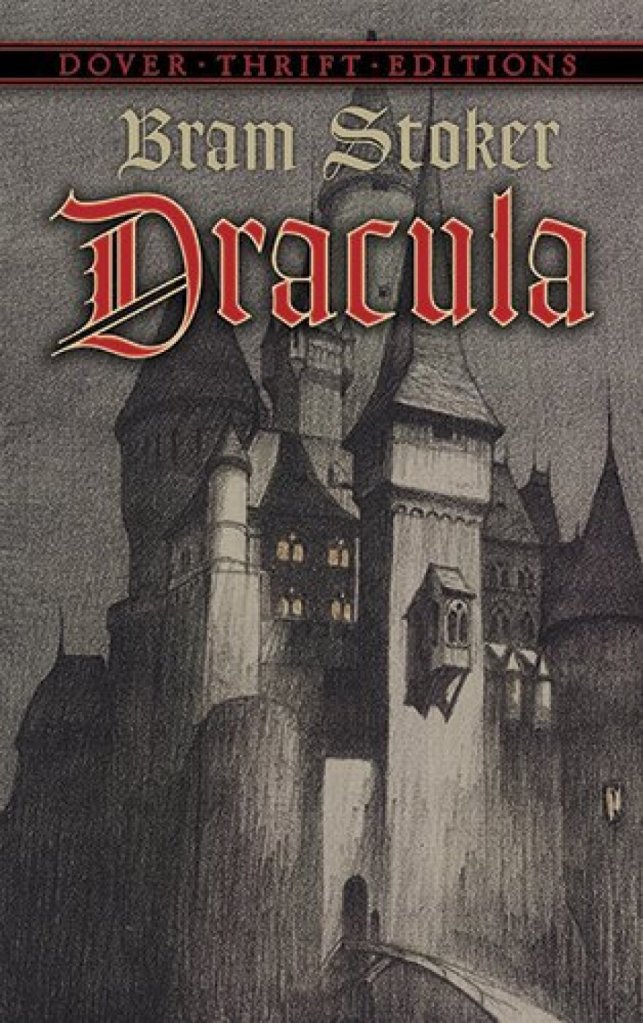
Bram Stoker’s Dracula
This classic is set in the late 1890s during the late-Victorian era, but with a heavy gothic revival style! We also see some of the relaxed women’s fashion of the times on Lucy and Mina, often shown wearing “lawn frocks” (lightweight and often light-colored garments). And while The Count uses Western clothing as a disguise while in London, he begins the story wearing the archaic and aristocratic fashions of Transylvania.
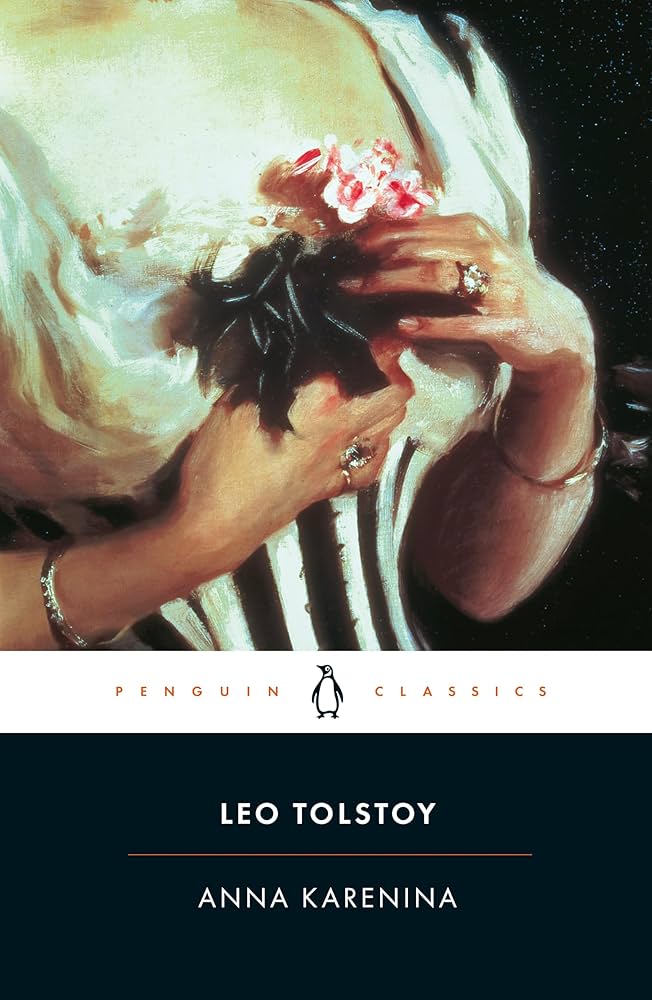
Anna Karenina
Set during Imperial Russia during the 1870s, this novel uses color variations to draw attention to the differences between characters. While most women in the novel adhere to the strictly dictated attire of the time period in pale, soft colors, our heroine chooses to wear black velvet and lace as a way to rebel against rigid Russian society.
The fashion of this time included items such as bustles and narrow skirts with long trains, and emphasized tailoring as outfits concise to two piece ensembles with bodices featuring basques extending below the waist.
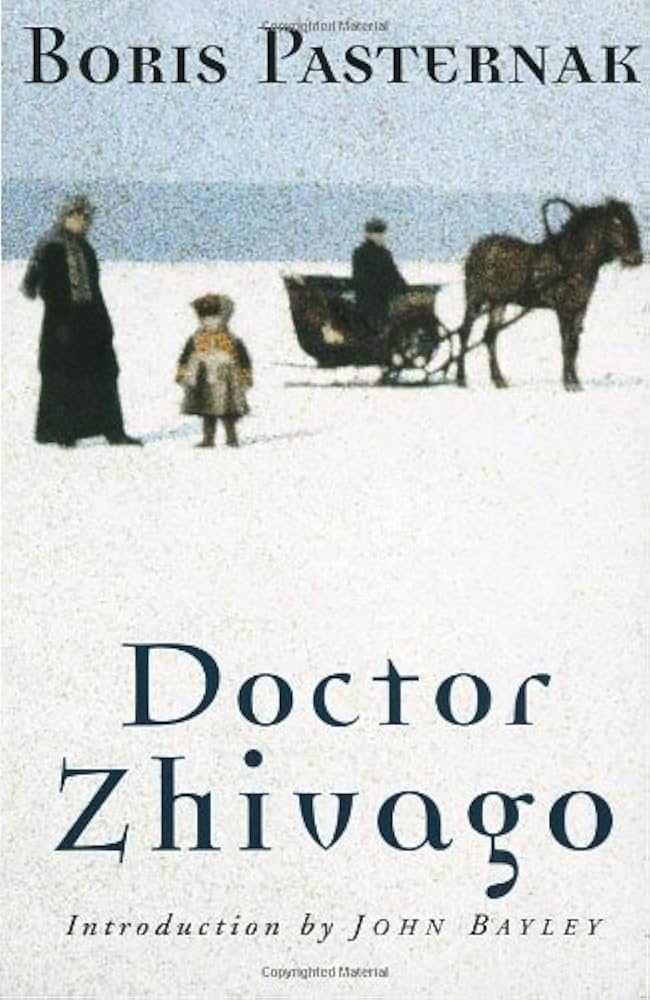
Doctor Zhivago
Spanning several time periods this story covers the early 1900s through WWI, the Bolshevik Revolution, the Russian Civil War, and concludes in the 1940s. Due to the large span of time, the novel is able to capture the dramatic shift from the luxury prior to the revolution to the stark functionality of Soviet Russia.
Most notable, and spanning the entirety of the story, is the use of fur hats and coats to protect against the harsh conditions of the Russian Winter. While I don’t promote the fur industry in any way, I am a huge fan of faux fur (also called fun fur) to add a bit of texture and drama to a look!
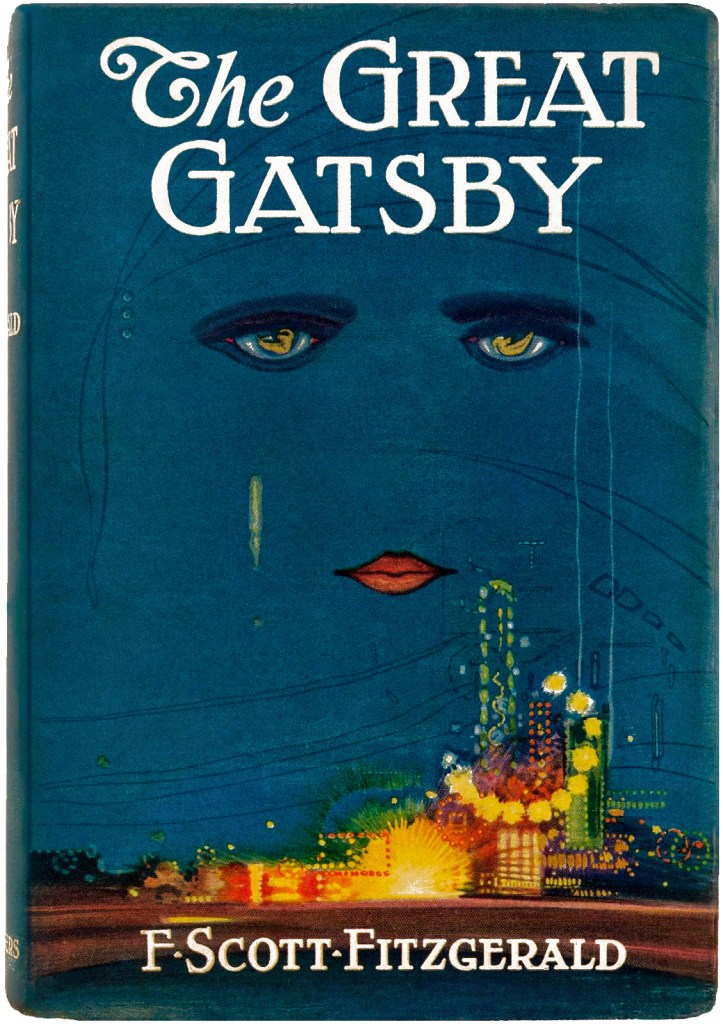
The Great Gatsby
Set in New York during the Jazz Age, aka the Roaring Twenties, The Great Gatsby’s fashion is characterized by luxurious flapper dresses, tailored suits, and Art Deco influences.
Channel Daisy’s style by opting for looser fitting dresses with shorter hemlines, dropped waists, and embellishments such as sheer, beaded, or fringed fabric. Accessories include long pearl necklaces, feathered headbands, and fur stoles.
What Do You Think?
After all of this research, it was cool to see how much my personal style has been influenced by so many different time periods and cultures! And, it’s interesting to see the drastic impact my library has had on my wardrobe! Did your favorite time period, region, or novel make it onto the list? Let’s start a conversation in the comments below – I’d love to hear your thoughts!
I’ll be back next week to share the things I do before going to bed to make getting ready in the morning faster! And, I’ll be back at the end of the month to introduce a new monthly series – the Monthly Makeup Round-Up!
In the meantime, I’ll be binge watching the entire Bridgerton series! Have a great rest of your week, and remember to SLAY!

 We Aim To Slay
Leave a comment