If you’re anything like me, you’ve been anxiously awaiting the return of Netflix’s Bridgerton since you finished binge watching the spin off, Queen Charlotte. Regency inspired fashion was all the rage last year during the clean girl makeup era, but I think a little classical beauty can be infused into anyone’s aesthetic any day of the week!
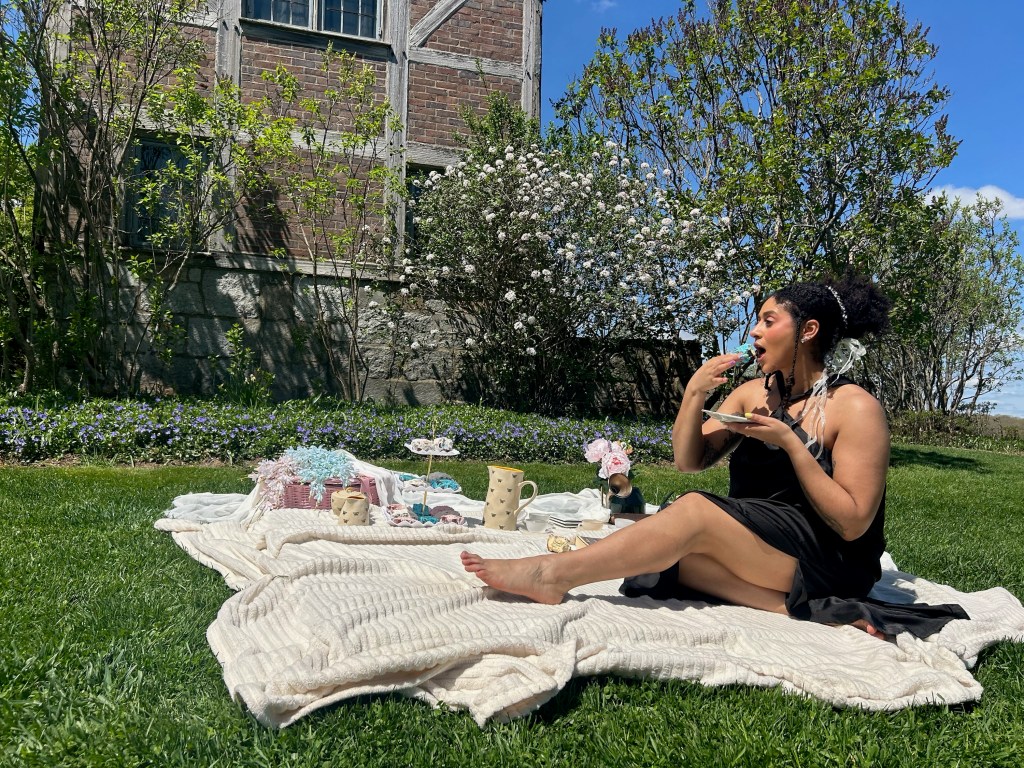
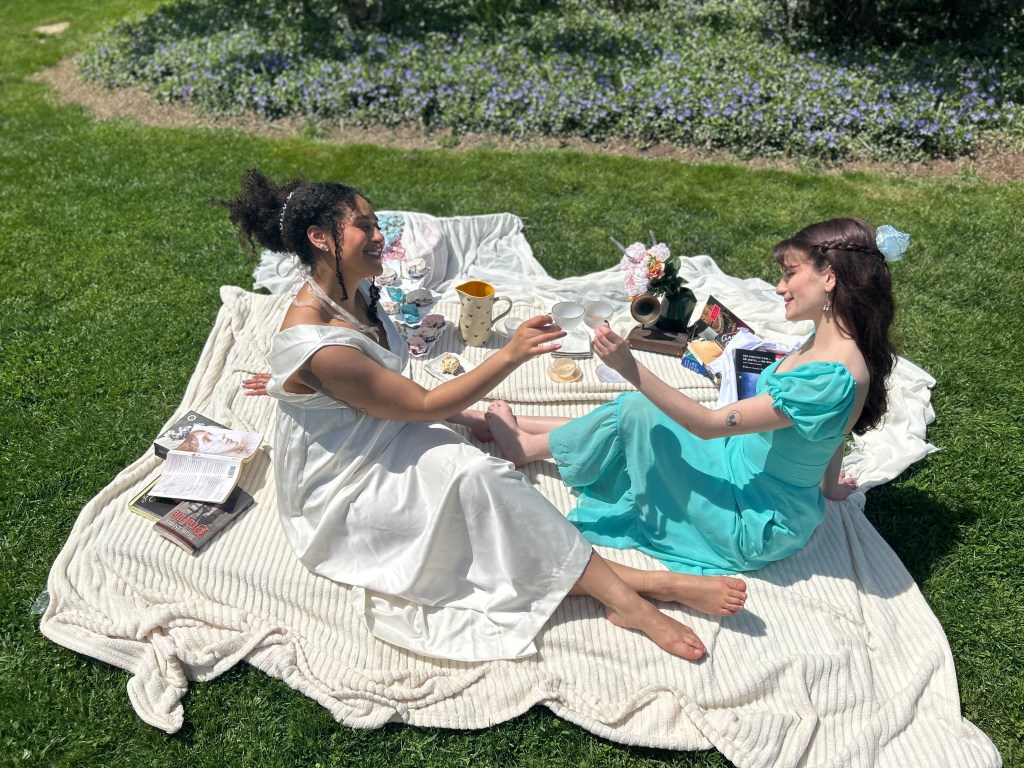
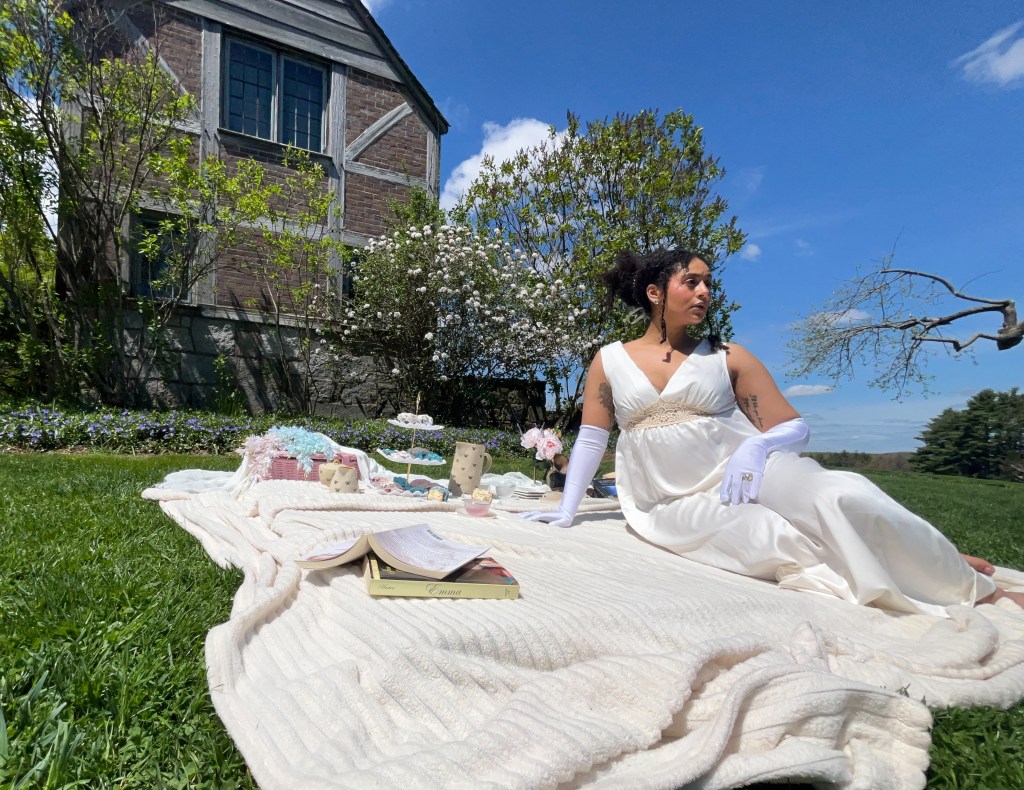
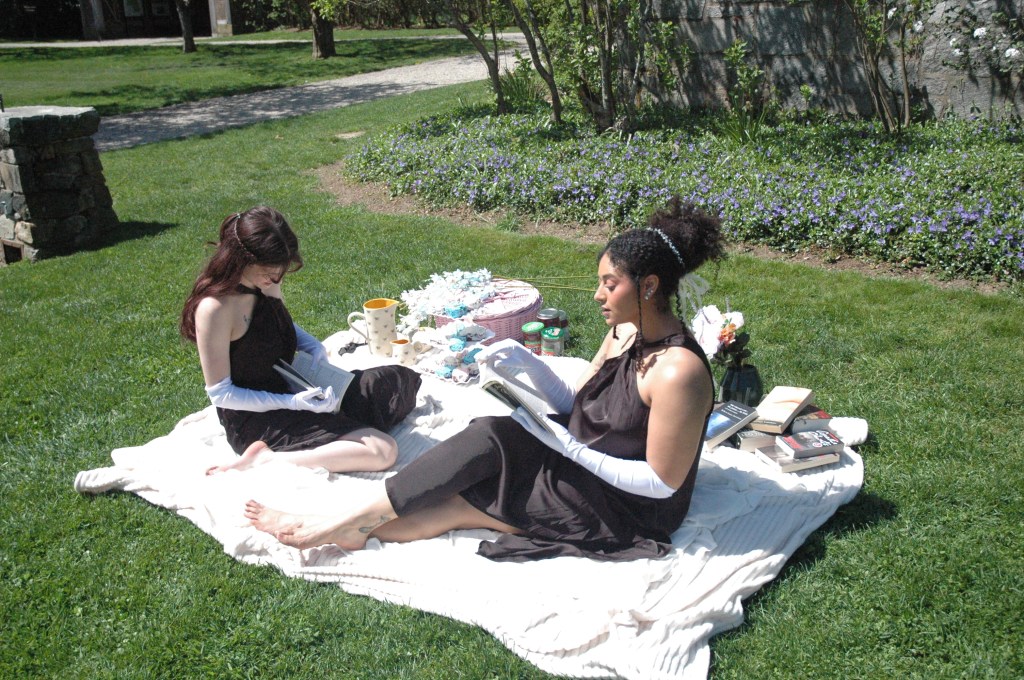
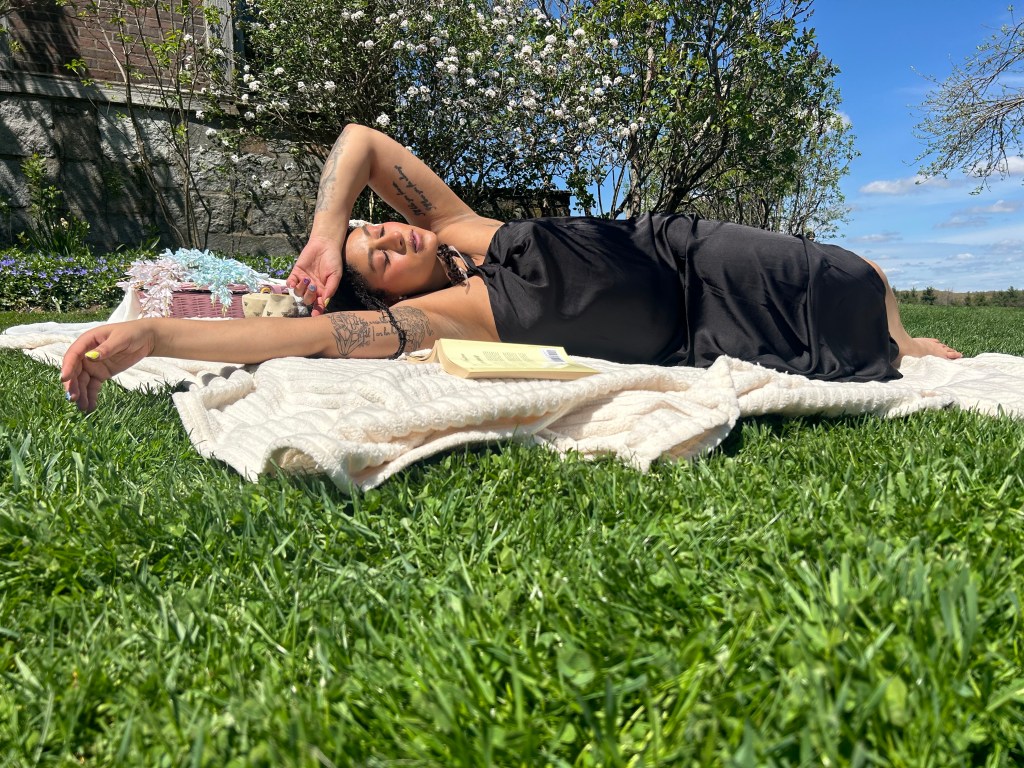
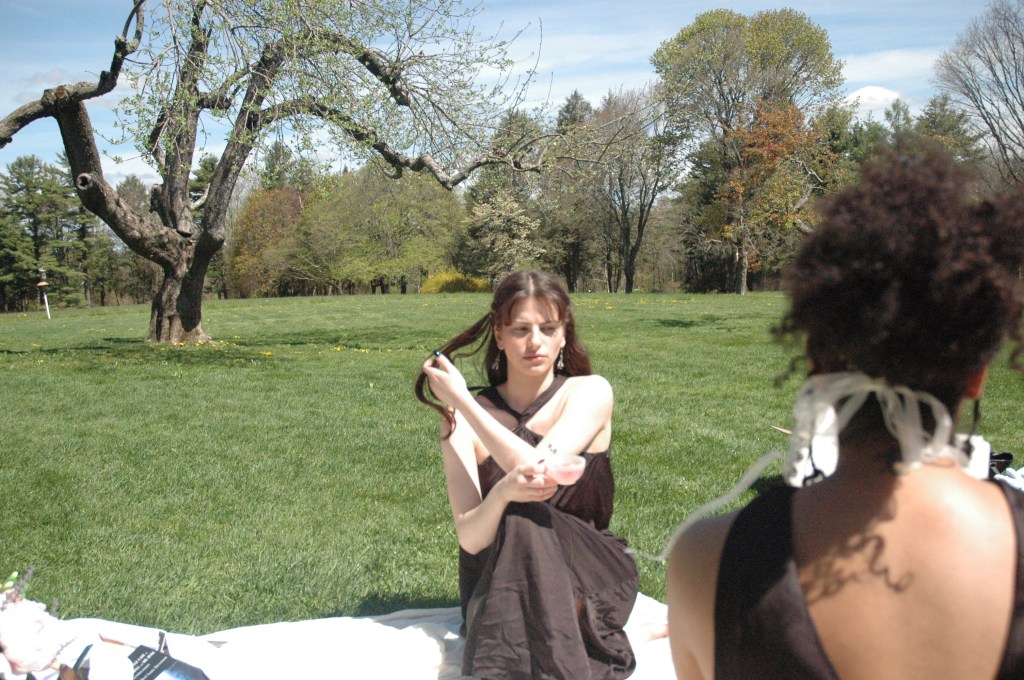
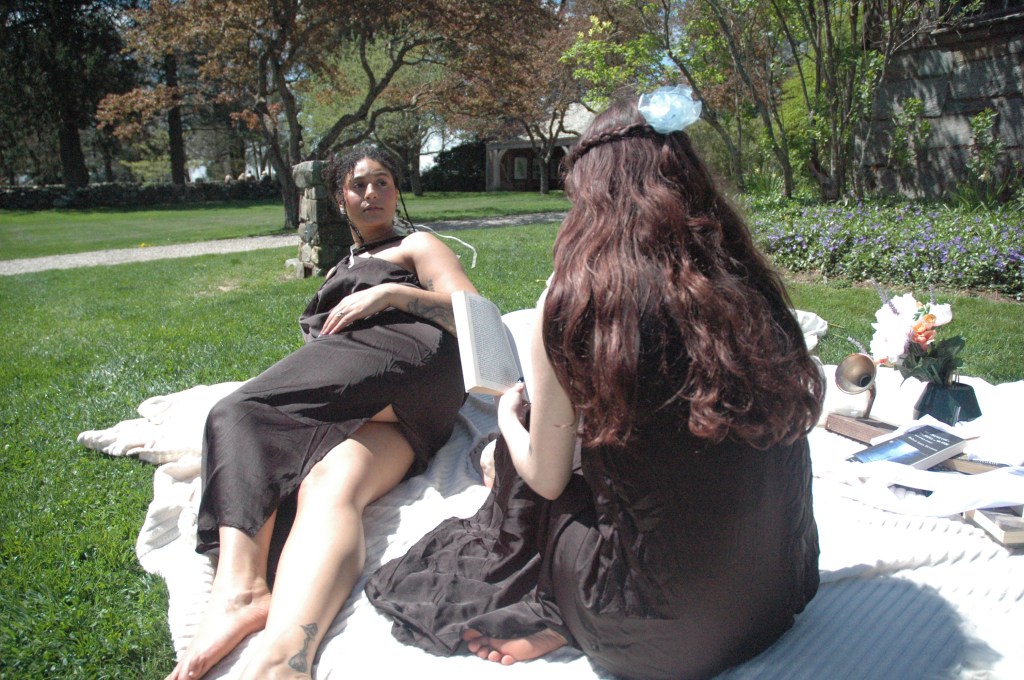
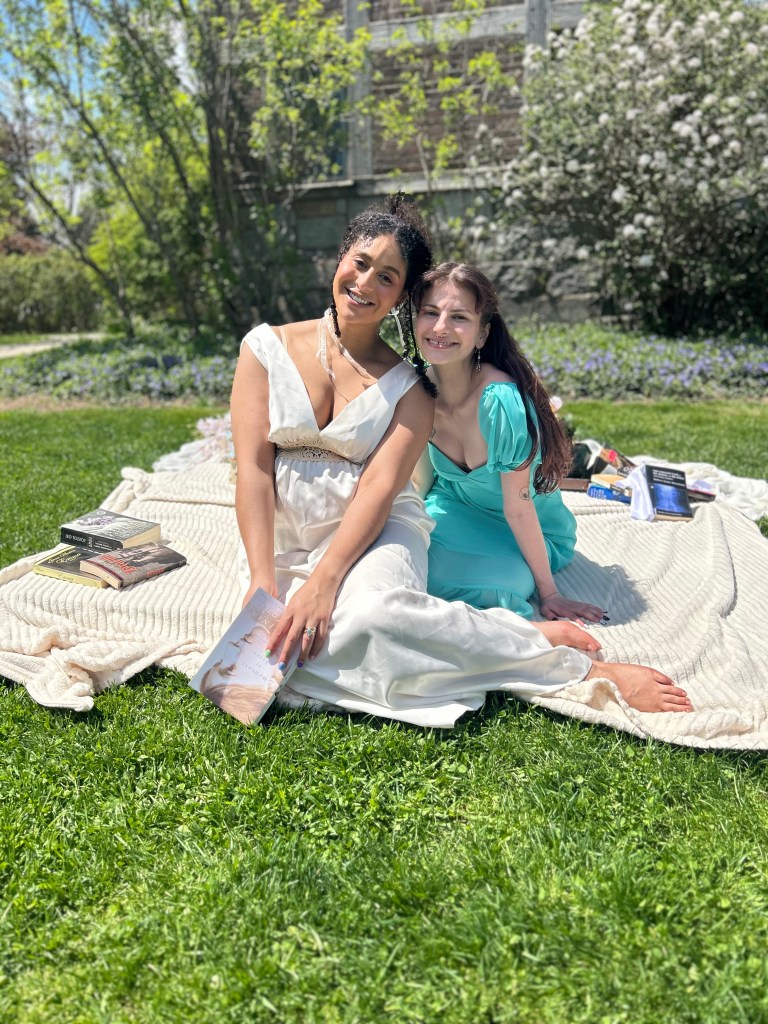
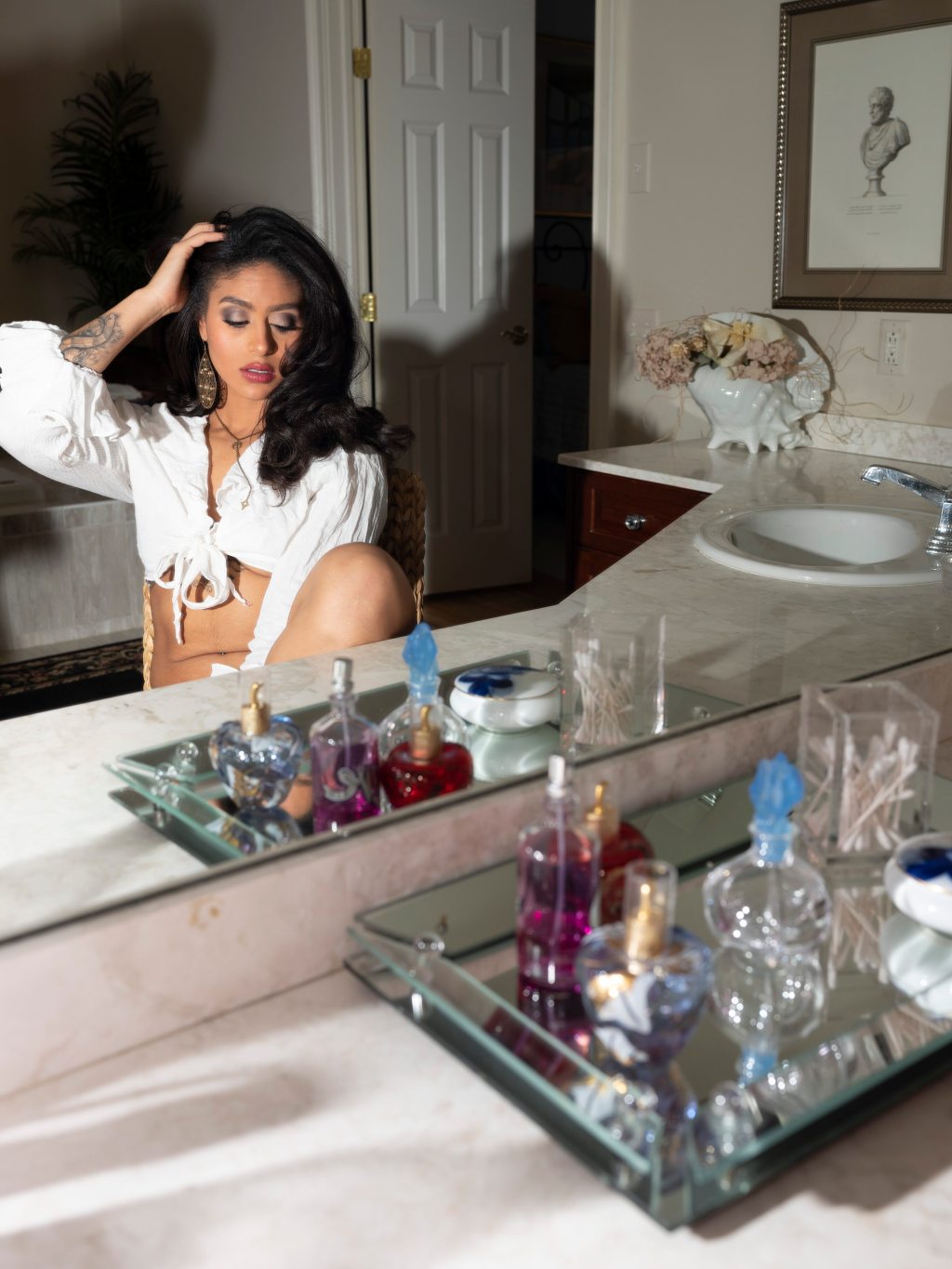
Back in April I attended a vintage fair and found the most Bridgerton-coded vintage nightgown! As soon as I pulled it off the rack, I knew it would be perfect, so I enlisted my sister, Molly, and Hubby, and together we crafted these beautiful photos!
What is the Regency Era?
According to several articles from Fashion Era, the Regency Era took place from 1800-1825. After Napoleon Bonaparte crowned himself the Emperor of France, he was keen to make his country “a leader of fashion and an innovator of design and craft skills.” During the French Revolution (1789-1799), the textile industry suffered and the use of textile machinery was nonexistent. Emperor Napoleon revived the Valenciennes lace industry so that fine fabrics like tulle and batiste could be made, rather than imported.
This article explains that the name of this era, the Regency Era, stems from the monarchy as well. During the reign of King George III (of the United Kingdom), he was deemed unfit to rule and the actions of the monarchy were overseen by his son, the Prince Regent, who acted as Regent for nine years.
What were the Trends?
A fashion mainstay of the time period was the empire dress. According to this article, the evolution of the empire dress begins in the previous century, when it originated as a chemise shift that was gathered under the bust. By the end of the 18th century the silhouette had a very low, square neckline, and a short and narrow-backed bodice attached to a separate skirt. Because this era of fashion was based on the classical principles of Grecian robes, a tucker or simple chemisette was used to fill the bare neckline during the day.
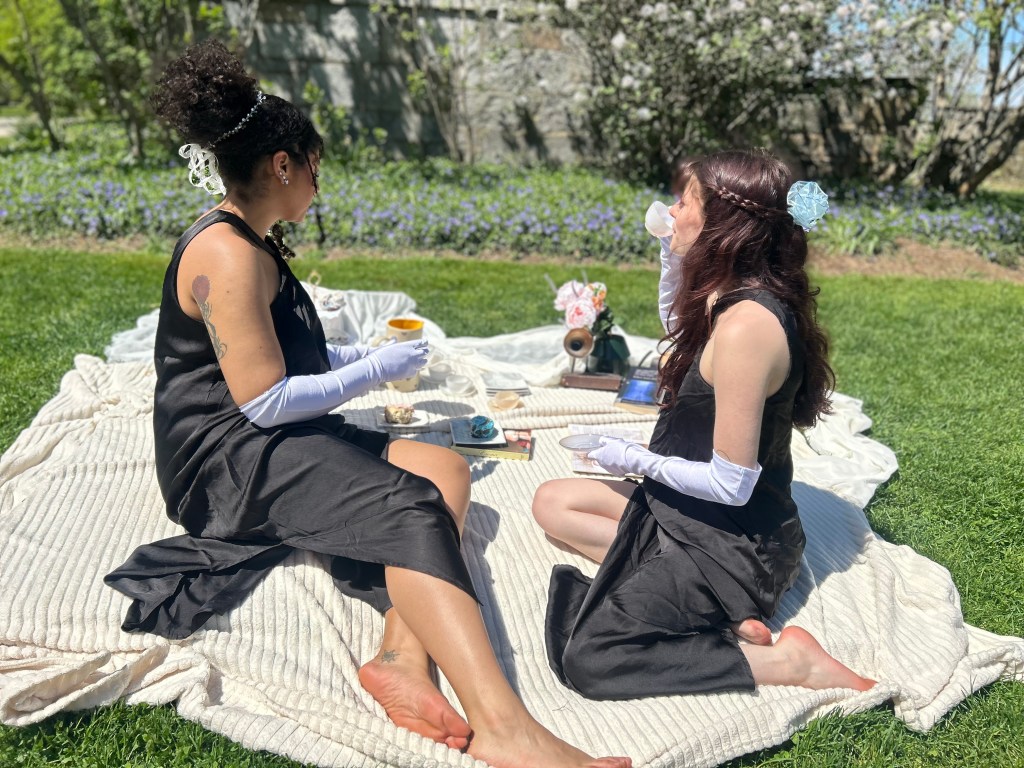
The main fabrics used for these dresses were usually fine white lawn, muslin, or batiste. The regular wearing of white gowns was seen as a sign of social status, and were generally kept for the evening. During the day, pastel or colored robes were more suitable.
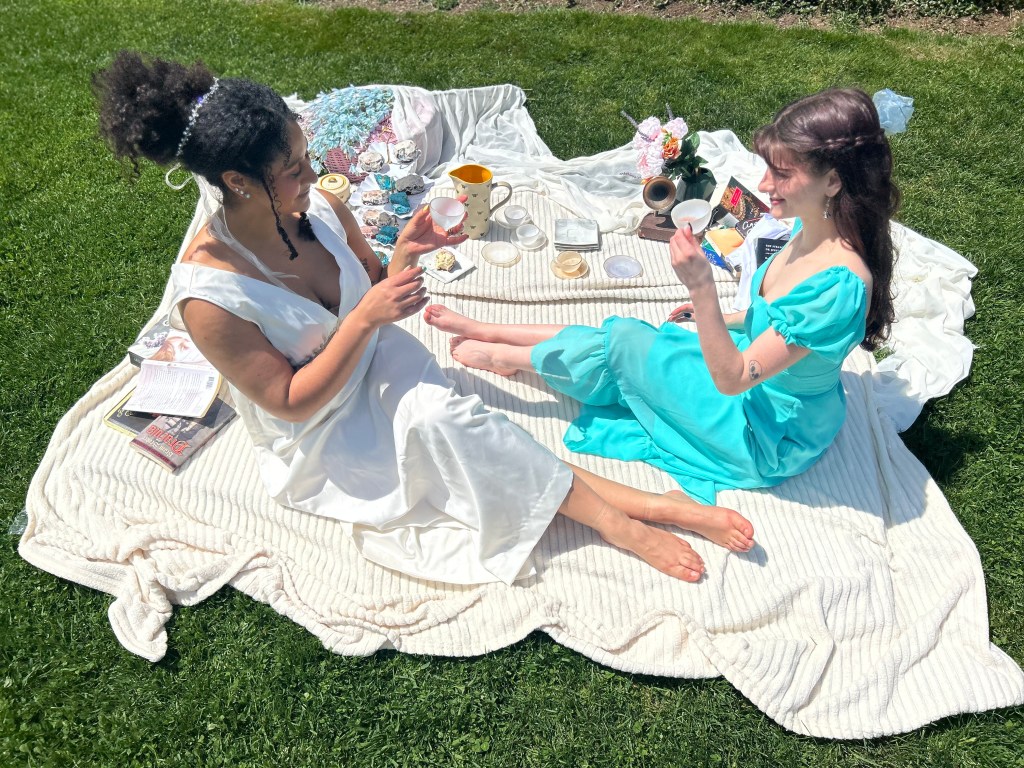
In the colder winter months heavier fabrics were used, such as velvets, cotton, linens, fine wools, and silks. Extra warmth came from flannel petticoats or full under-slip dresses. Tulle shawls suited fine evening dress, and additional fabrics included muslin, silk, and wool, with the warmest shawls primarily made from cashmere wool.
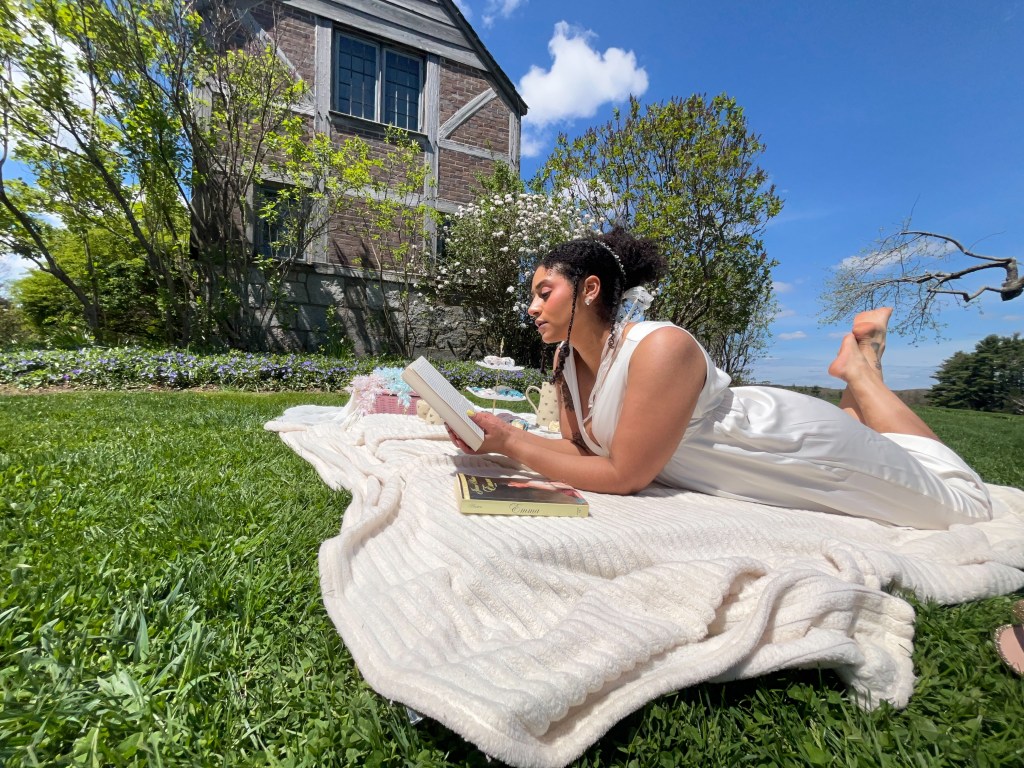
Accessories of the time period included jewelry worn in a limited capacity, such as dainty necklaces and jeweled hair combs similar to those modeled in Greece. In terms of handbags, the reticule back was the newest accessory as of the 1790s. Prior to its introduction, women had worn their change purses attached to the waist of their gowns, for the skirts had been large enough to hide the purse. Additional accessories include small folding fans, silk or taffeta parasols, fur muffs, tippets (a long slender boa), long gloves, and much more.
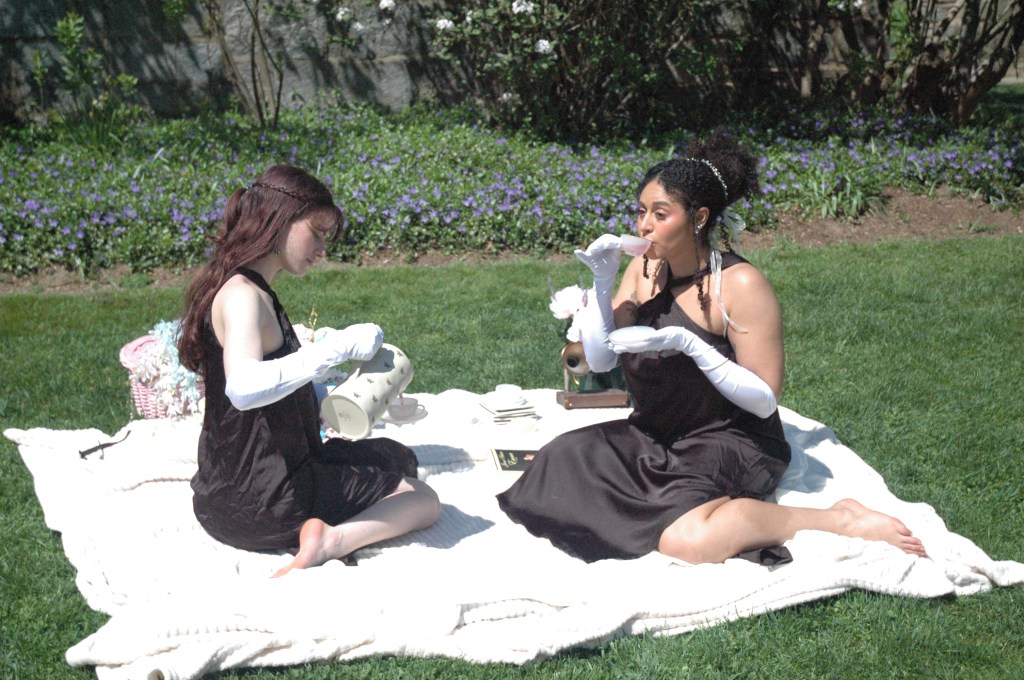
Shoe trends included flat or low heeled pumps, which were often tipped with a bow or rosebud. These shoes most closely resembled the ballet slipper of today, and due to their delicate nature, they were frequently reserved for evenings or indoors. A half boot was the more practical choice for daytime use.
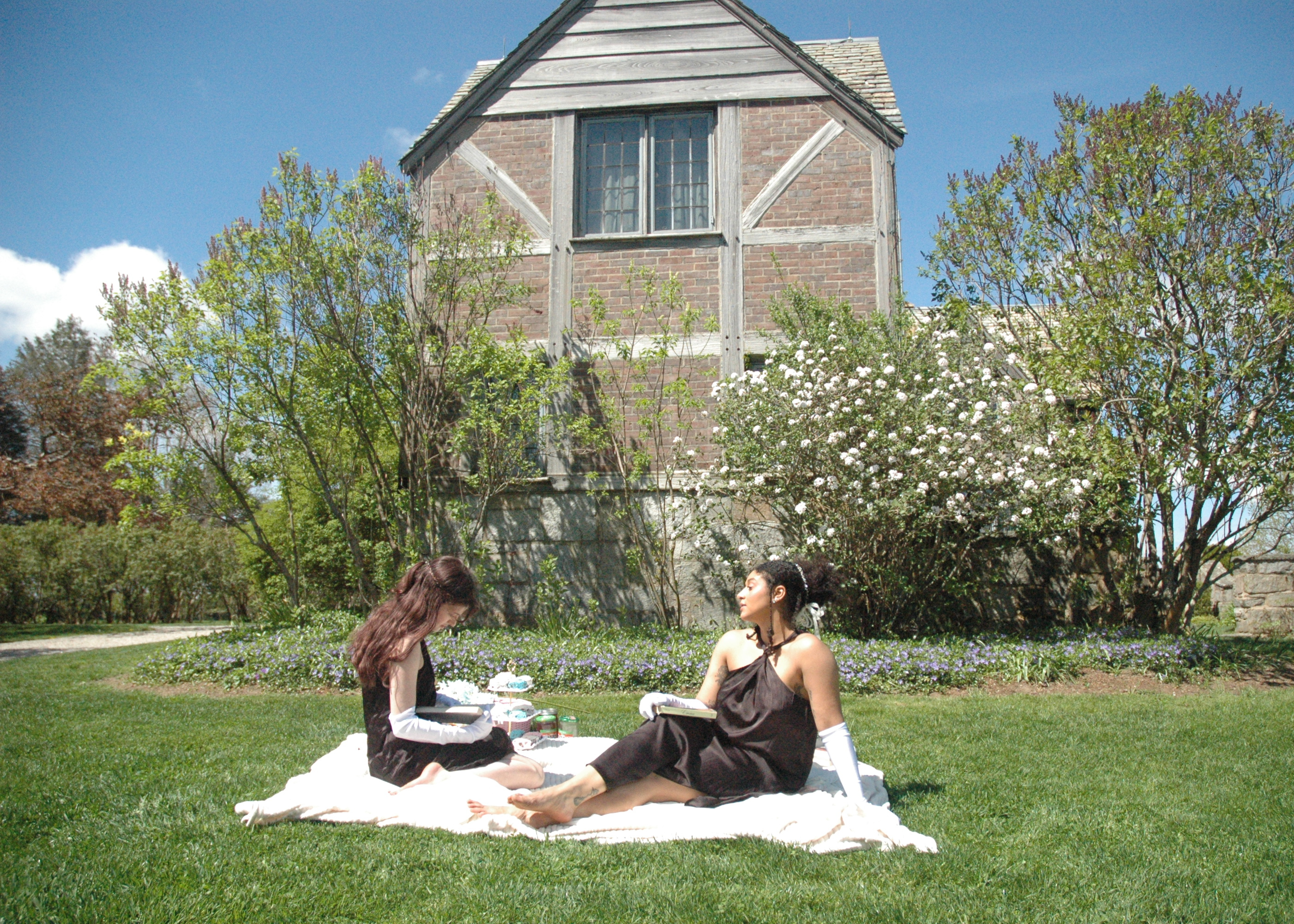
On the heels of the 18th century, big and elaborate hair was all the rage, with wigs being crafted by stylists and left on for days on end. Moving into the 19th century, ladies again looked to the Grecians for inspiration. At this point, hairdos became more simple, with lots of buns and some small braids for adornment, with many electing to curl the hair that frames the face whether wearing a bonnet or not. Women tended to keep their hair short, but enhanced their styles with false ringlets as a way to showcase their earrings. For the women who kept their tresses long, it was common to have one curl dangling in front of their shoulder, and even more common to craft ringlets to frame the face.
Hair adornments included flower wreaths, ribbons, jewelry, tiaras, and combs. Additional accessories included headwear such as small caps and bonnets.
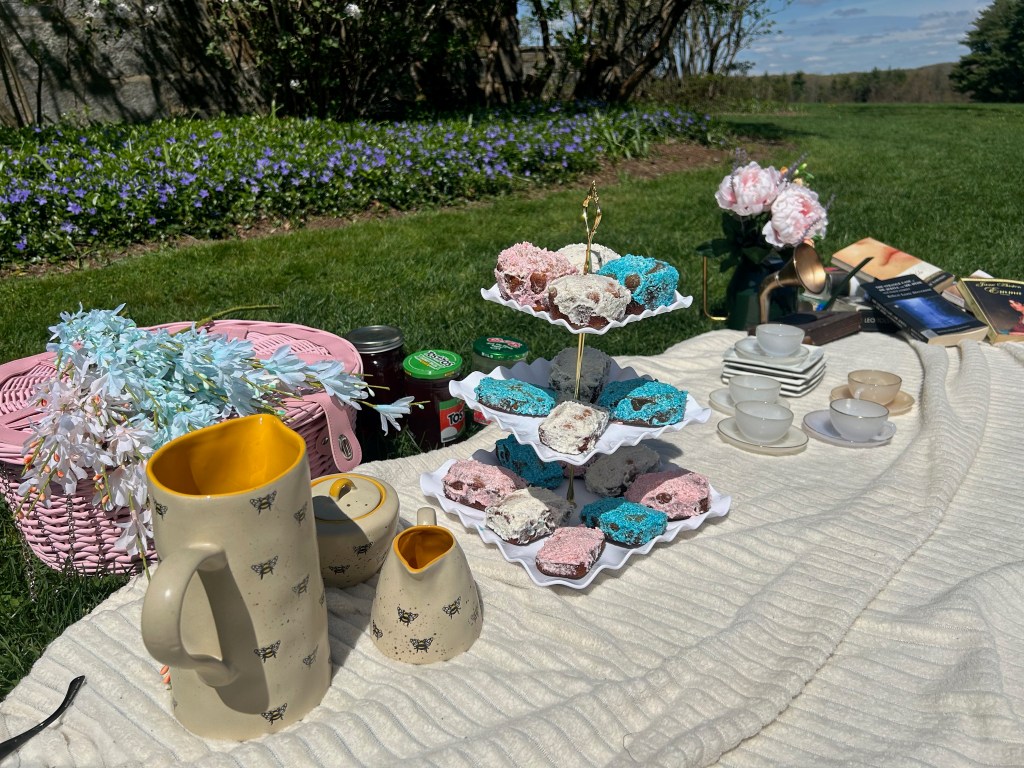
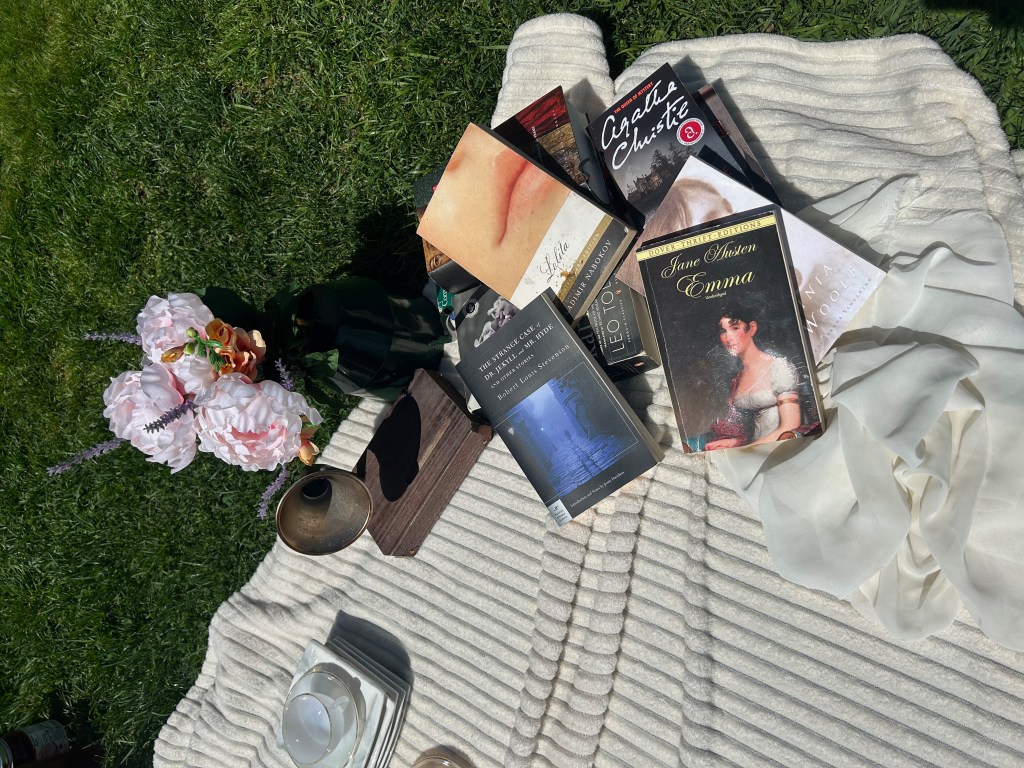
How To Incorporate Regency Era Fashion into Your Everyday Look!
During the Season 2 premiere there was a surge in interest in embracing Regency Era fashion and incorporating the aesthetic into your everyday life. Luckily, it’s super easy to embrace these silhouettes due in part to Bridgerton, and in part to the uptick in the “coquette aesthetic”.
According to Instyle Magazine, you’re going to want to reach for clothing with dainty details, ruffles, puffed sleeves, or even corsets. Accessories wise, you can add a pair of opera gloves or any pearl-focused jewelry. This article from Coveteur suggests focusing on the empire waist silhouette, and recommends a daintier shoe such as a ballet flat, or a low heel, such as a kitten heel or kitten heel mule.
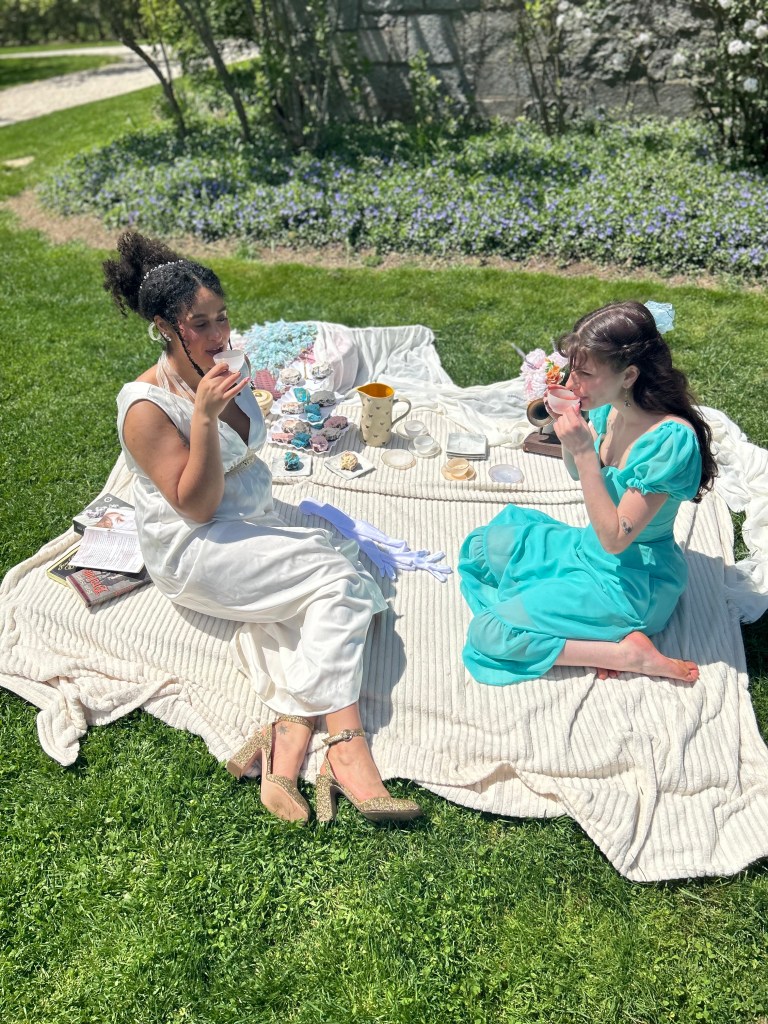
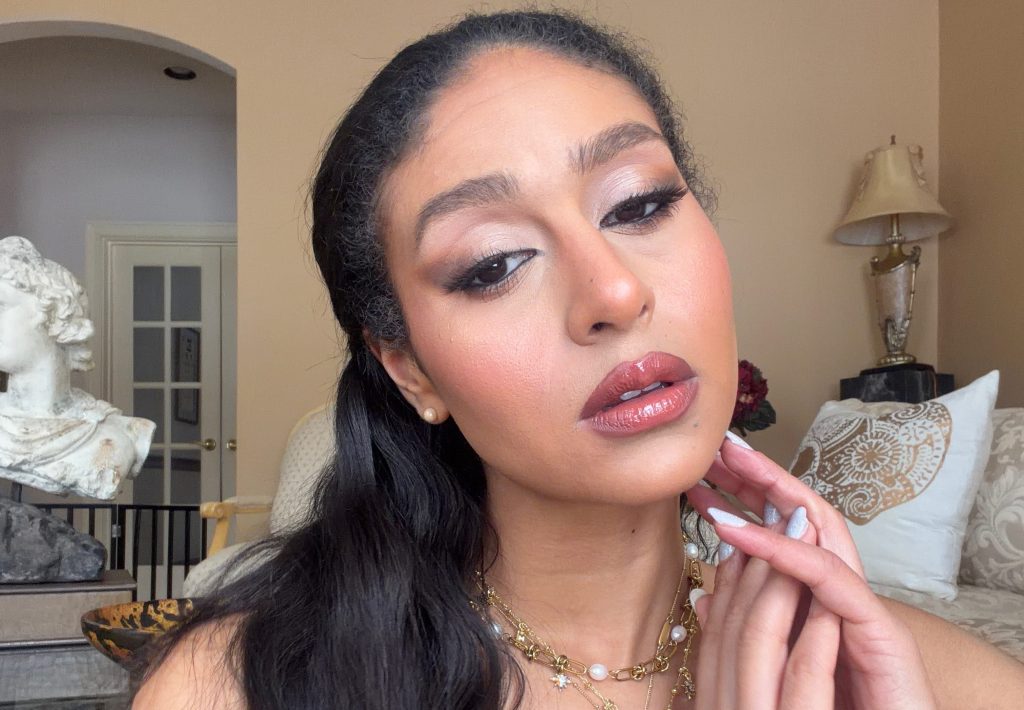
When it comes to Regency Era makeup, Byrdie explains that you’re trying to emphasize your bone structure. They recommend using a light hand with your foundation as the goal is to look as if you aren’t wearing any foundation at all, and that using cream-based products will add a luminous finish.
Blush is the cornerstone of this look, and the Byrdie team recommends coordinating your blush and lip color so both have similar tones – you’re aiming for a natural flush! In the eye area, you’re aiming for a natural, fluffy, and not overly defined brow. Finally, they recommend bringing a swash of blush up to your outer eye corners and skipping eyeliner in place of a bit of brown eyeshadow along the upper lash line, and finishing with a swipe of complimentary mascara (this article recommends brown, but I’ll likely stick to black).

While true Regency Era hair can be seen as dated in some ways, Bridgerton has given us a great jumping off point for updating these looks for today. Pulling the majority of your hair into a bun, you can easily curl some pieces to frame your face, or even spice up your bun by adding some braided pieces.
Don’t be afraid to accessorize! A jeweled hair comb can easily be added to a bun, or used to hold hair back from your face. For even more simple styles, take note from your favorite coquette girly and add some ribbons to your hair! I’ve long been a fan of wrapping a ribbon around a low bun and tying it off into a bow.
What Do You Think?
Are you tuning in to tomorrow’s Bridgerton Season 3 premiere? Would you try to incorporate Regency Era fashion into your everyday life? Let me know in the comments below!
I’ll be back next week to take you step-by-step through my process of trimming my hair at home!
Have a great rest of your week, and remember to SLAY!


 We Aim To Slay
Leave a comment